May 15th was the 77th anniversary of the Nakba. A terrible reminder of the decades of oppression against the Palestinians. Many recognize the Nakba is ongoing, continuing today.
The term Nakba is used not only to describe the events of 1948 but also the ongoing persecution and displacement of Palestinians by Israel. As a whole, it encompasses the fracturing of Palestinian society and the long-running rejection of the right of return for Palestinian refugees and their descendants. The creation of Palestinian statelessness is considered a central component of the Nakba and continues to be a feature of Palestinian national life today.
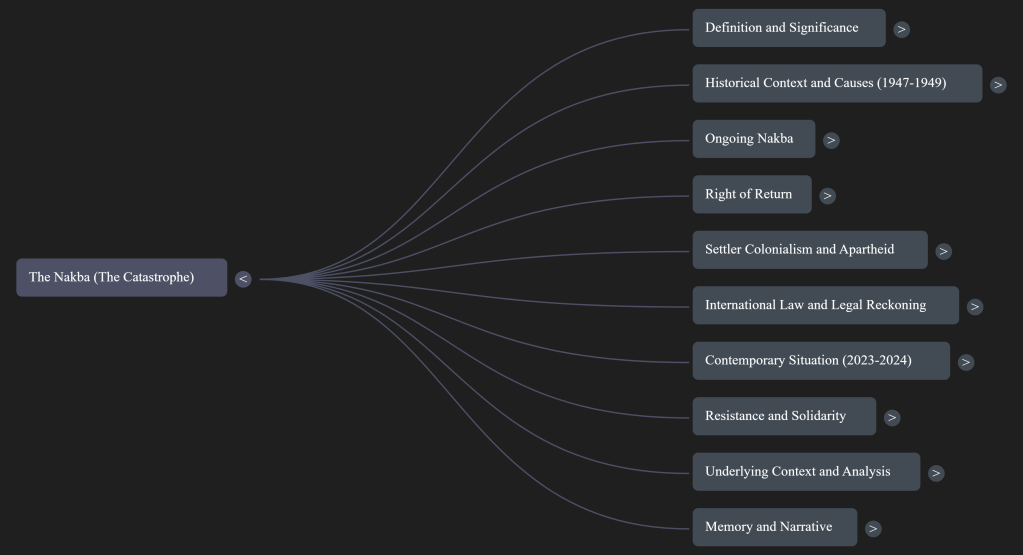
Since the late 1990s, the phrase “ongoing Nakba” (Arabic: al-nakba al-mustamirra) has emerged to describe the “continuous experience of violence and dispossession” faced by the Palestinian people. This term emphasizes that the Nakba is not merely an event in 1948, but an ongoing process that continues to the present day.
The concept of the “ongoing Nakba” includes various aspects:
- Continued displacement and dispossession
- Fragmentation and marginalization of the Palestinian national community
- Transformation into a stateless people
- Attacks against Palestinians that have continued over decades in various locations, including Jordan, Lebanon, Kuwait, Libya, Iraq, and Syria
- Continuous Israeli attacks against Gaza, including specific instances in 2008-09, 2012, 2014, 2018, and 201919. The current war in Gaza is described as an extension of the 1948 Nakba, and fears of a “second Nakba” have been raised by U.N. experts and Palestinian leaders in relation to the directive for Gaza residents to flee south. An Israeli minister also referred to the Gaza war as the “2023 Gaza Nakba”.
- Settler violence in the occupied West Bank continues unchecked
- Ongoing practices in Israel and the occupied territories such as the silent transfer in Jerusalem, settlements and land expropriation in the West Bank, communal settlements for Jews only, citizenship laws affecting Palestinian citizens, the threat of destruction to unrecognized villages, demolition of houses, omission of Arabic on road signs, and restrictions on literature
- Repression, administrative detentions, and outright killing as daily institutionalized practices
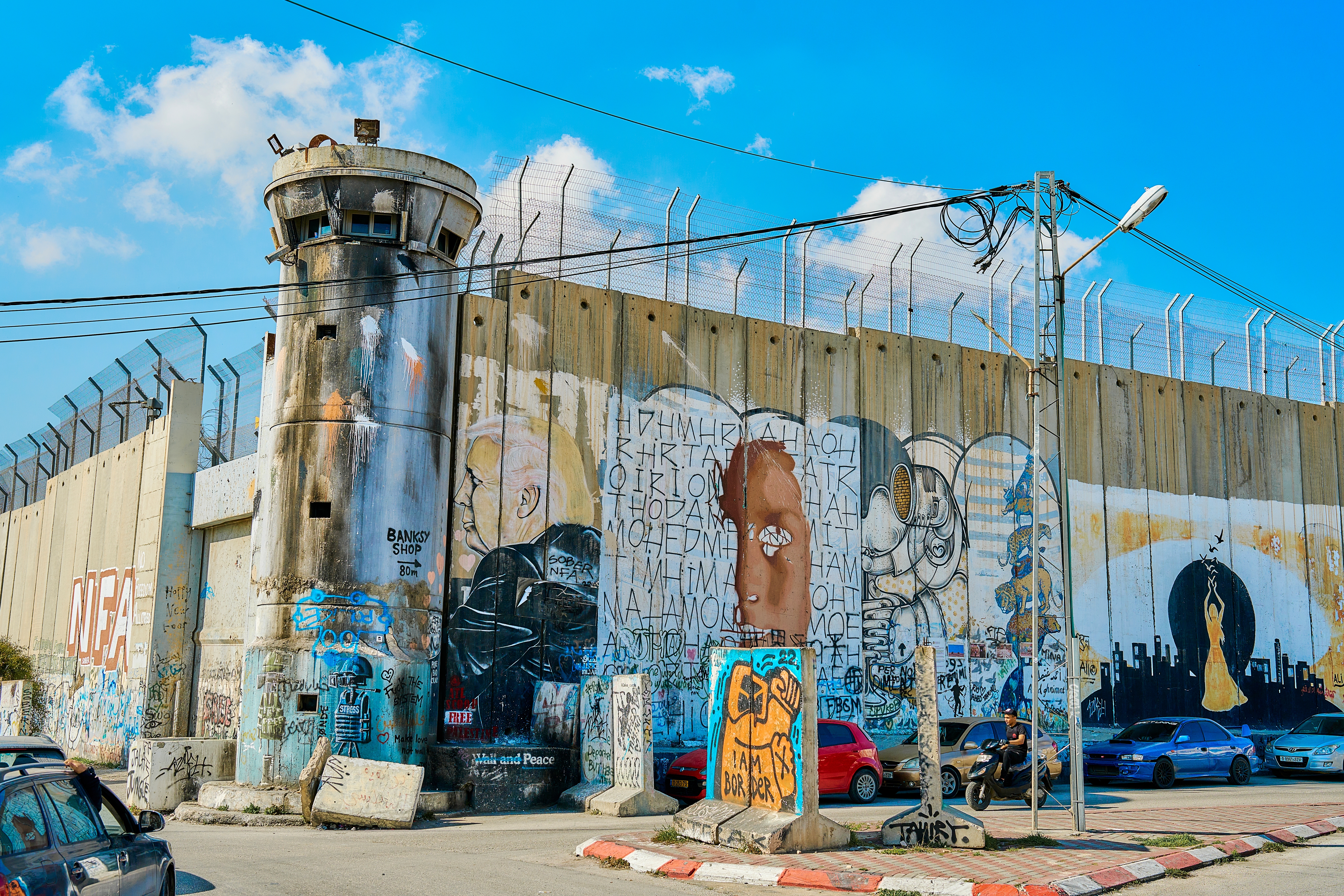
- The construction of a comprehensive apartheid system including settler-only roads, a separation wall, and checkpoints
- The denial of the right of return for millions of Palestinian refugees around the world.
Many scholars describe the Nakba as ethnic cleansing, a process that did not end in 1948 but continues to the present day. The 1948 events are seen as the beginning of this ongoing policy of expulsion and expropriation.
Today, Thursday 15/5/2025, marks the 77th anniversary of the Palestinian Nakba, the commemoration of the catastrophe that saw more than 750,000 Palestinians forcibly displaced from their homes in 1948 by occupying forces, turning them into refugees scattered in the diaspora and camps. However, the current reality in the besieged Gaza Strip re-narrates the Nakba in a far harsher and bloodier language, amid a brutal Israeli war of extermination imposed since October 7, 2023. This brings back the memory of the forced displacement and ethnic cleansing that occurred more than seven decades ago.
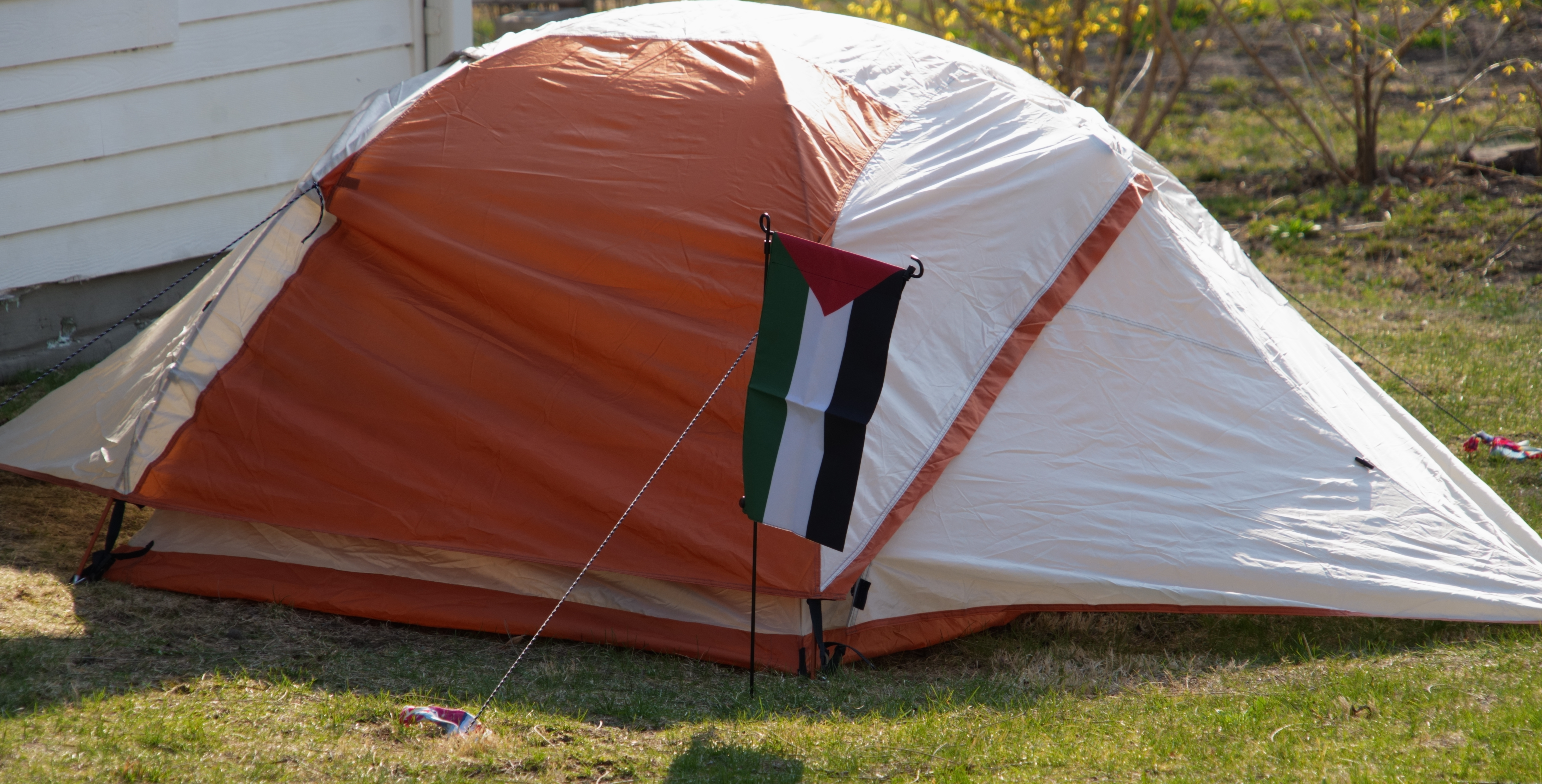
In 1948, tens of thousands of Palestinians were displaced from over 500 towns and villages, most of which were completely destroyed as part of a systematic ethnic cleansing policy. Today, the same policies are being repeated on the land of the Gaza Strip—but with deadlier methods. Since the start of the genocide, occupying forces have issued hundreds of military orders that forced more than 1.7 million Palestinians to flee from the northern, central, and southern parts of the Strip. They moved from one area to another, only to find themselves eventually crammed into tents under inhumane living conditions, in scenes eerily similar to those experienced by the first generation of Nakba survivors.
Nakba on its 77th Anniversary: Renewed tragedy of Palestinians in Gaza amid war, ethnic cleansing. The Palestinian Information Center, May 16, 2025
Palestinians mark Nakba day as fears of displacement grow
GAZA/JERUSALEM (Reuters) – Palestinians marked Nakba day on Thursday, commemorating the loss of their land after the 1948 war at the birth of the state of Israel, as Israeli military operations in Gaza and the occupied West Bank have again displaced hundreds of thousands.
The Nakba, or “catastrophe”, has been one of the defining experiences for Palestinians for more than 75 years, helping to shape their national identity and casting its shadow on their conflicted relationship with Israel ever since.
The resonance has been amplified by the war in Gaza and the Israeli army’s months-long campaign in West Bank refugee camps, where hundreds of thousands of descendants of Palestinians who lost their homes in 1948 have lived for decades.
The war has destroyed large swathes of Gaza and forced most of the more than 2 million people who live there to move multiple times, clinging on in tents or bombed-out houses and other makeshift shelters.
“During all the wars that there have been, there has been nothing like what happened during this war,” said Badryeh Mohareb, who lived through the Nakba as a child, when her family fled their home in the seaside city of Jaffa, near Tel Aviv to come to Gaza.
The May 15 Nakba day commemoration marks the start of the 1948 war, when neighbouring Arab states attacked Israel a day after the new state declared its independence following the withdrawal of British forces from what was then called Palestine.
Palestinians mark Nakba day as fears of displacement grow. Story by Hussam al-Masri and James Mackenzie, Reuters, 5/14/2025
Concepts related to Nakba
Ongoing Nakba

The Nakba (Arabic: ةبكنلا an-Nakba )
This is a paper I wrote some time ago about the Nakba.




 unflinching