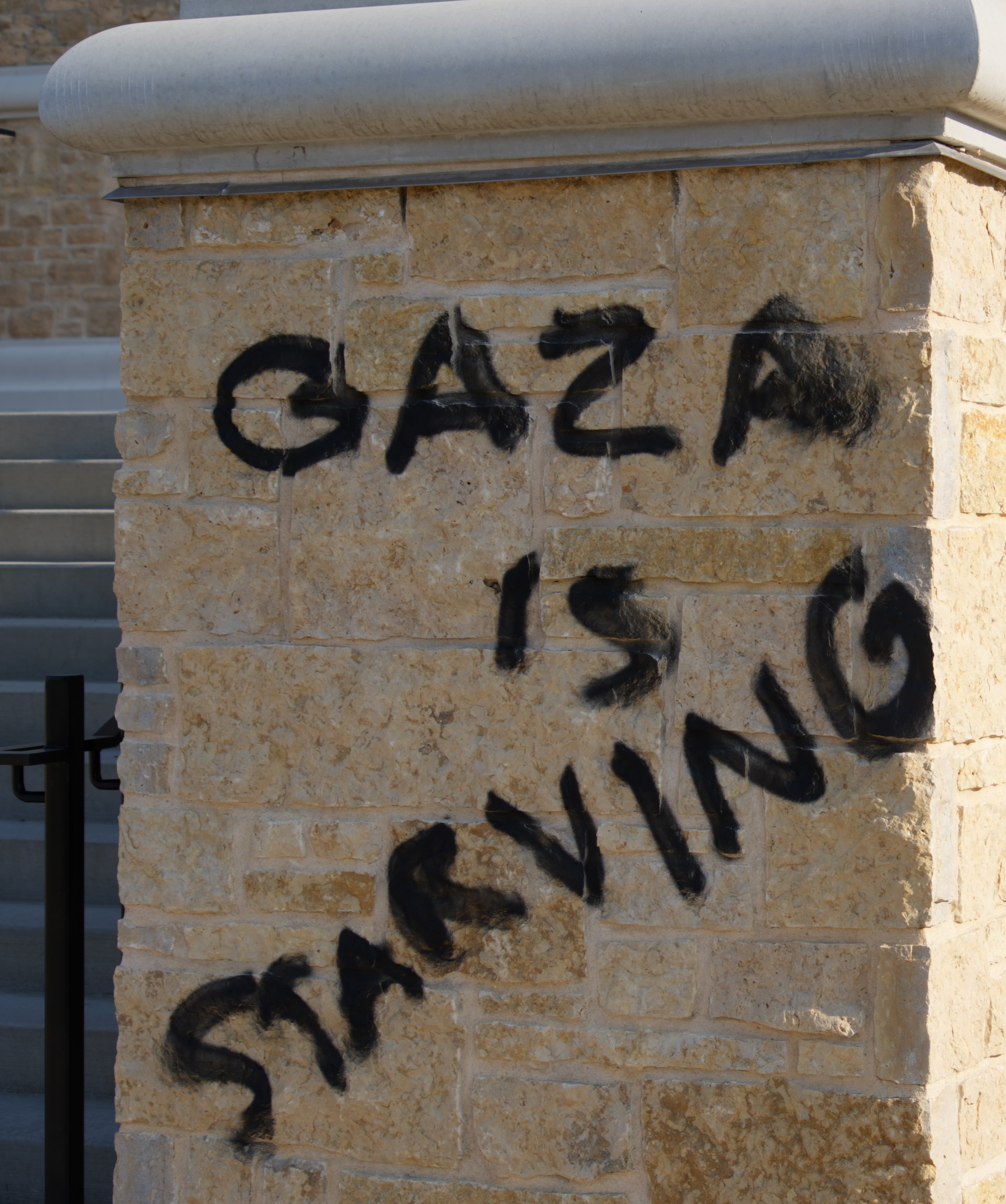
Gaza is starving
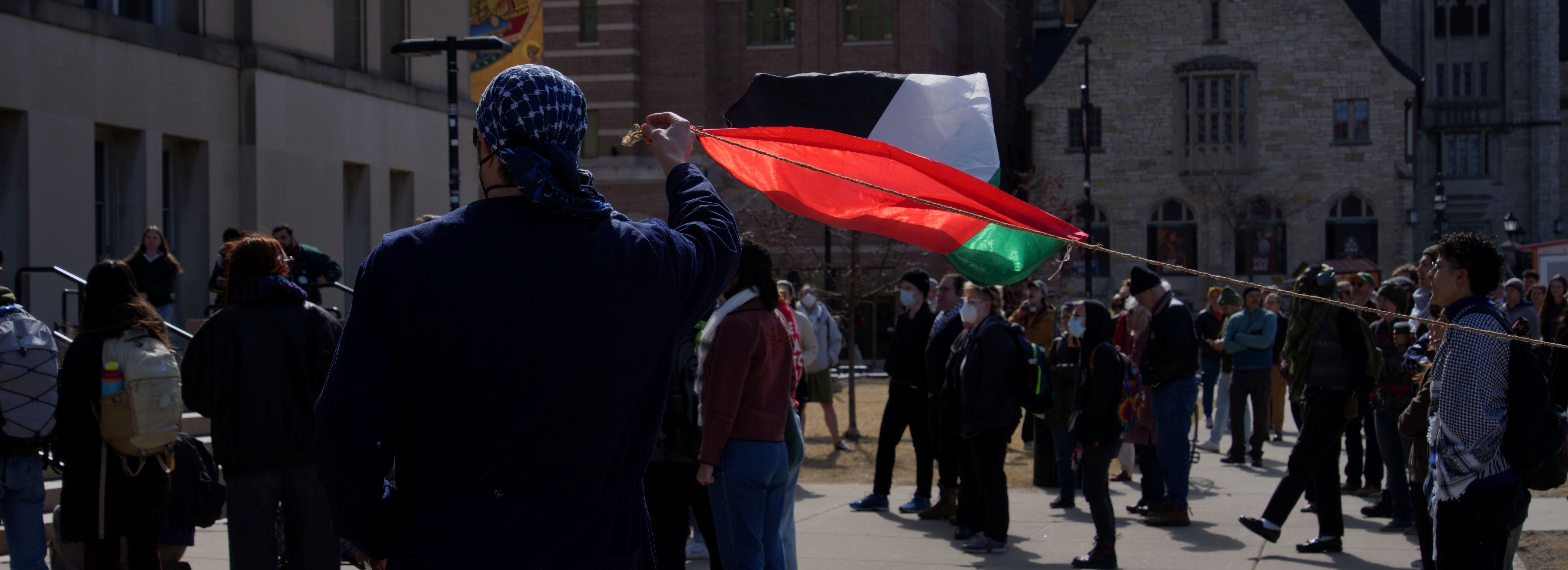
This is a photo I took outside the stadium at the University of Wisconsin Madison Saturday, where graduation ceremonies were held. Although all traces of graffiti were removed before people arrived for graduation.
See: Palestinian street art

Leading Hollywood actors including Richard Gere and Susan Sarandon denounced “genocide” in Gaza in an open letter released Monday, May 12, by pro-Palestinian activists on the eve of the Cannes film festival. “We cannot remain silent while genocide is taking place in Gaza,” said the letter published by French newspaper Libération.
The newspaper said the letter was signed by some 380 world cinema figures including Mark Ruffalo, Javier Bardem, Spanish director Pedro Almodovar and director Ruben Ostlund, a former Cannes winner. It comes days after former EU foreign policy chief Josep Borrell accused Israel of “genocidal intent.”
Borrell said Israel was “carrying out the largest ethnic-cleansing operation since the end of the second world war,” while Amnesty International last month said a “live-streamed genocide” against Palestinians was going on in the besieged territory. Israel dismissed the claims as “blatant lies.”
The open letter paid tribute to Palestinian photojournalist Fatima Hassouna − the star of a documentary that will be premiered at Cannes − who was killed in an Israeli air strike in Gaza last month. Its director, exiled Iranian filmmaker Sepideh Farsi, as well as Gazan filmmakers Arab and Tarzan Nasser, who are also showing their new film at the festival, were said by organisers to have signed.
Leading Hollywood actors and directors denounce the ‘genocide’ in Gaza: ‘We cannot remain silent’. In an open letter released on the eve of the Cannes Film Festival, actors and directors including Richard Gere, Susan Sarandon and Pedro Almodovar urged the film community to ‘rise up’ and ‘name reality.’ Le Monde with AFP, May 12, 2025

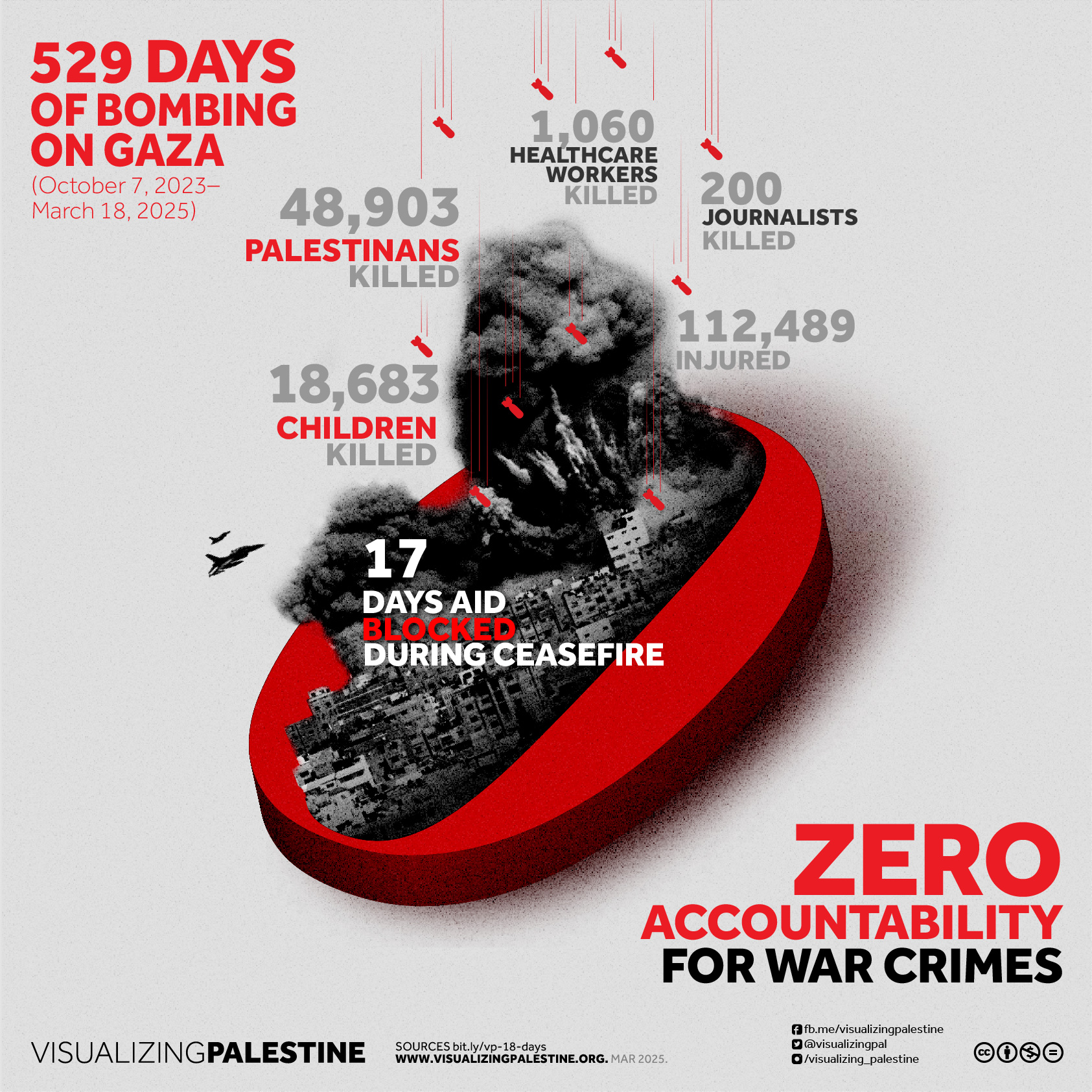
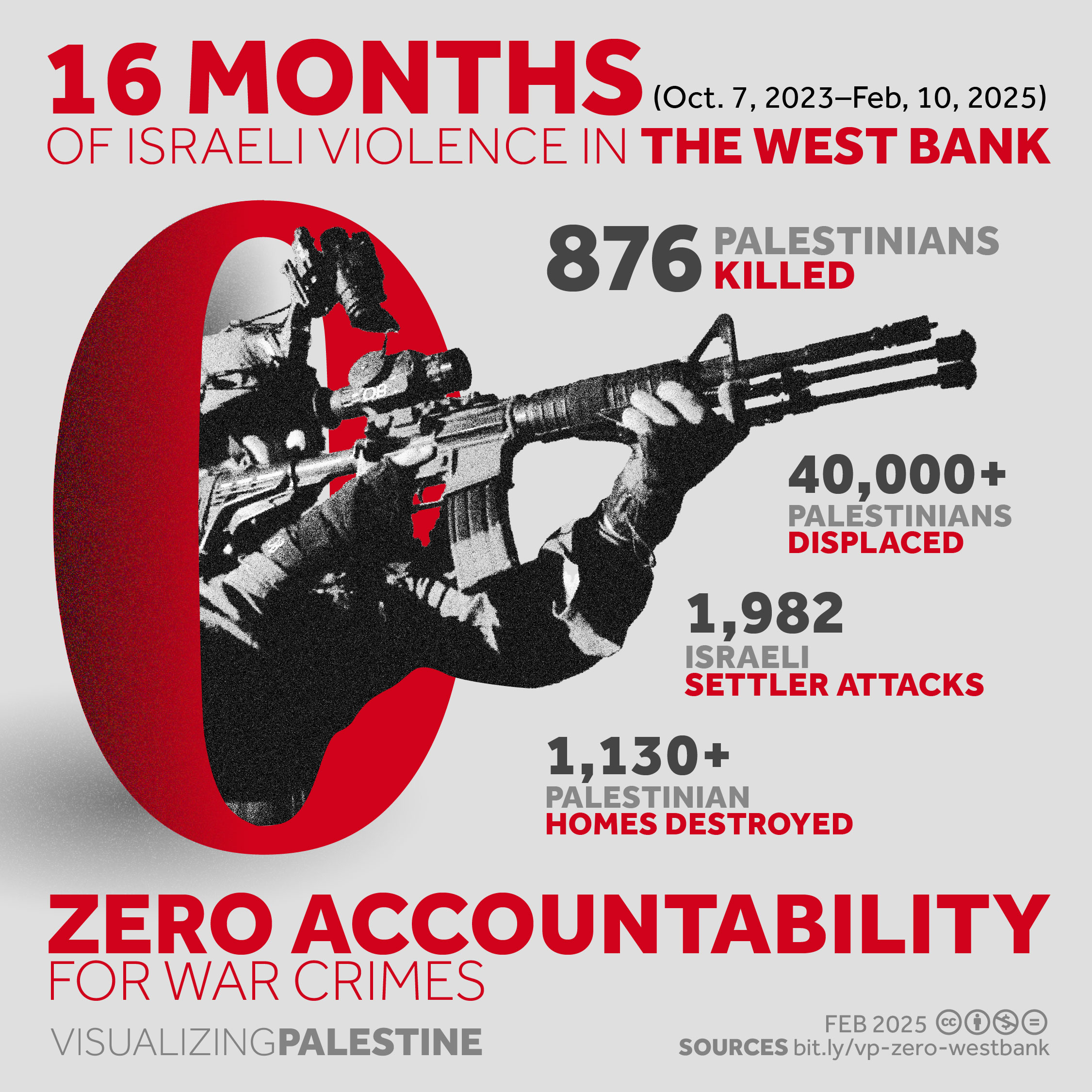
[April, 2025]. In this fourth update of the visual “Killing the Story”, we honor the hundreds of Palestinian journalists killed by Israel. These journalists documented atrocities as they unfolded — voices that the Israeli regime systematically continues to silence. VisualizingPalestine
Humanitarian crisis in Gaza
Gaza is currently facing a severe hunger and humanitarian crisis, with aid agencies warning that famine conditions have reached catastrophic levels. Data from May 2025 indicates that the entire population is in emergency conditions or worse regarding food security. An Integrated Food Security Phase Classification (IPC) report places 244,000 people in Gaza in Phase 5, which is defined by extreme deprivation of food where starvation, death, destitution, and critical levels of acute malnutrition are evident or likely. The report also states that the entire Gaza Strip is in Phase 4, characterized by large food consumption gaps, very high acute malnutrition, and excess mortality. Overall, half a million people, or one in five, are facing starvation. The World Health Organization (WHO) has described the situation as “one of the world’s worst hunger crises, unfolding in real time”.
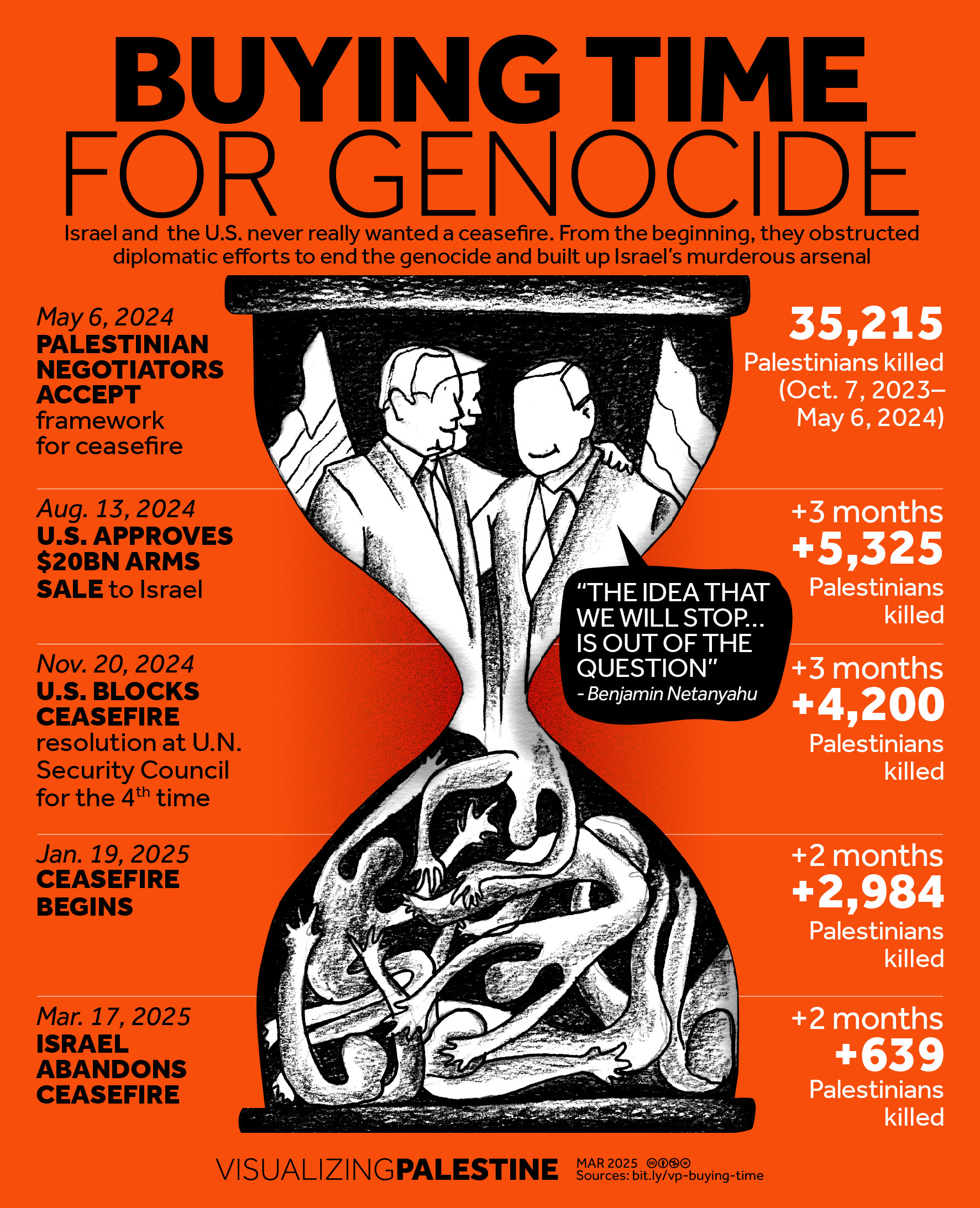
This crisis is attributed to a total blockade or siege imposed by Israel on Gaza since March 2, 2025. Since this date, Israel has prevented all entry of food, water, medicine, fuel, and other basic supplies into the Gaza Strip. Israeli officials have stated that this blockade is intended to pressure Hamas to accept a new agreement or release hostages. Israel’s Defense Minister, Israel Katz, explicitly stated that “Israel’s policy is clear: No humanitarian aid will enter Gaza, and blocking this aid is one of the main pressure levers”. This policy is described as a “forced starvation and collective punishment”.
Hundreds of truckloads of lifesaving supplies are waiting just across the border but are denied entry by Israeli authorities. UNRWA, the largest aid provider in Gaza, has over 3,000 trucks of aid stuck outside the Strip. Aid organizations have been forced to stop food distribution and close operations due to the lack of supplies. World Central Kitchen announced in May 2025 that it no longer had supplies to cook meals or bake bread. As of early May 2025, dozens of community kitchens, a critical lifeline for hundreds of thousands, had shut down, with many more expected to close soon.
As a consequence of the blockade, food stocks are depleted, market prices have soared (e.g., onions and potatoes up 1,000% since before the war, flour at around $500 for a 25kg sack), and potable water is scarce due to the lack of fuel for pumps and desalination plants. Palestinians are struggling to find food and water, with families surviving on scarce canned goods, one meal a day or less, or resorting to desperate measures like eating animal feed, leaves, or contaminated flour.
The starvation is particularly impacting children. Thousands of children are suffering from acute malnutrition and are on the brink of starvation. At least 57 Palestinian children had died from malnutrition or lack of adequate medical care as of early May 2025. Infants are at severe risk due to lack of formula and malnourished mothers.
In response to the crisis and international pressure, Israel has announced plans to take over humanitarian aid distribution in Gaza, often involving private companies or U.S. contractors. These plans, approved by Israel’s security cabinet around May 5, 2025, are controversial and have been widely criticized by aid agencies and the UN. Critics argue that a party to the conflict should not control lifesaving aid, that the plans are insufficient to meet needs, violate humanitarian principles, disregard the complexity of distribution, and could endanger civilians and aid workers. The proposed daily aid truck entry under this plan (60) is only one-tenth of what was delivered during the previous ceasefire. The UN and aid groups have so far rejected participating in this new system.
Adding to the humanitarian crisis, the Israeli military has reportedly targeted food distribution facilities and personnel protecting aid convoys. On May 9, 2025, an Israeli missile struck an UNRWA building in Jabaliya, damaging a food distribution center and warehouse. There are also reports suggesting Israel is fostering and potentially arming criminal gangs to loot food supplies, while targeting those who try to stop them.
Concurrently, Israel’s Security Cabinet approved plans for an expanded military operation, codenamed “Gideon’s Chariots,” which includes reoccupying parts or all of Gaza indefinitely and displacing large portions of the population. This plan is reportedly contingent on a hostage/ceasefire deal not being reached by the time of a visit by U.S. President Donald Trump. The UK government “strongly opposes” this planned expansion, warning it would lead to more civilian deaths and put hostages at greater risk.
Many sources describe Israel’s actions, particularly the aid blockade and starvation tactics, as a war crime. U.S. Senator Bernie Sanders has called the starvation of children a war crime being committed “openly and in broad daylight”. Some sources also characterize Israel’s actions in Gaza as genocide or ethnic cleansing, with starvation viewed as a tool in this context. The International Criminal Court is seeking arrest warrants for Israeli Prime Minister Benjamin Netanyahu, in part for allegedly using starvation as a weapon of war. Aid agencies and officials have repeatedly called for the immediate and unconditional lifting of the blockade to prevent further deaths and suffering.










 unflinching