The upcoming trip by US President Donald Trump to the Middle East is seen as a “window of opportunity” for change in the region. It’s unclear what those changes will be.
President Trump seems to be increasingly working around Israeli Prime Minister Netanyahu.
There are reports that Hamas will release Israeli-American hostage Edan Alexander from Gaza today.
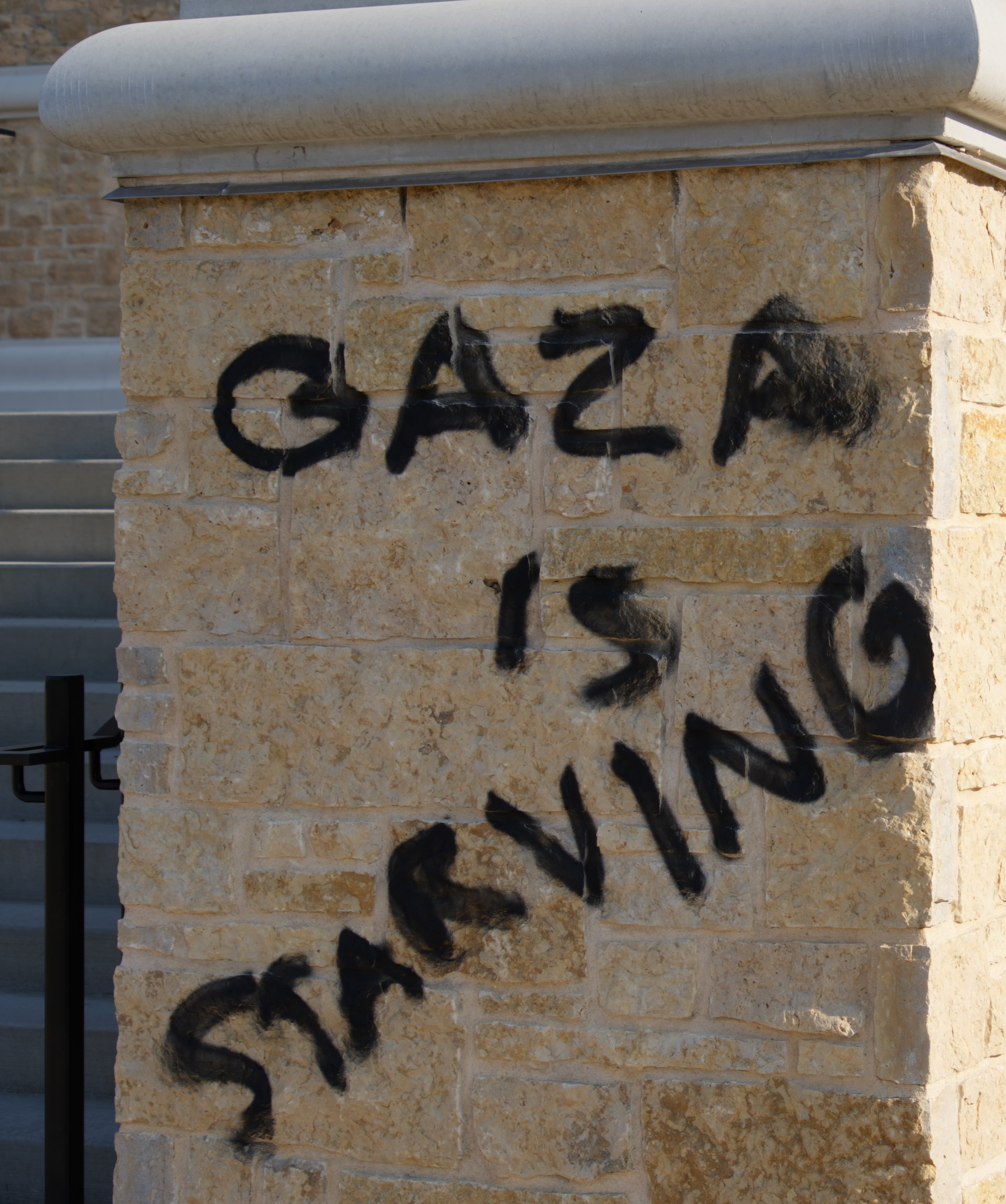
Gaza is starving from the complete obstruction of humanitarian aid by Israel.
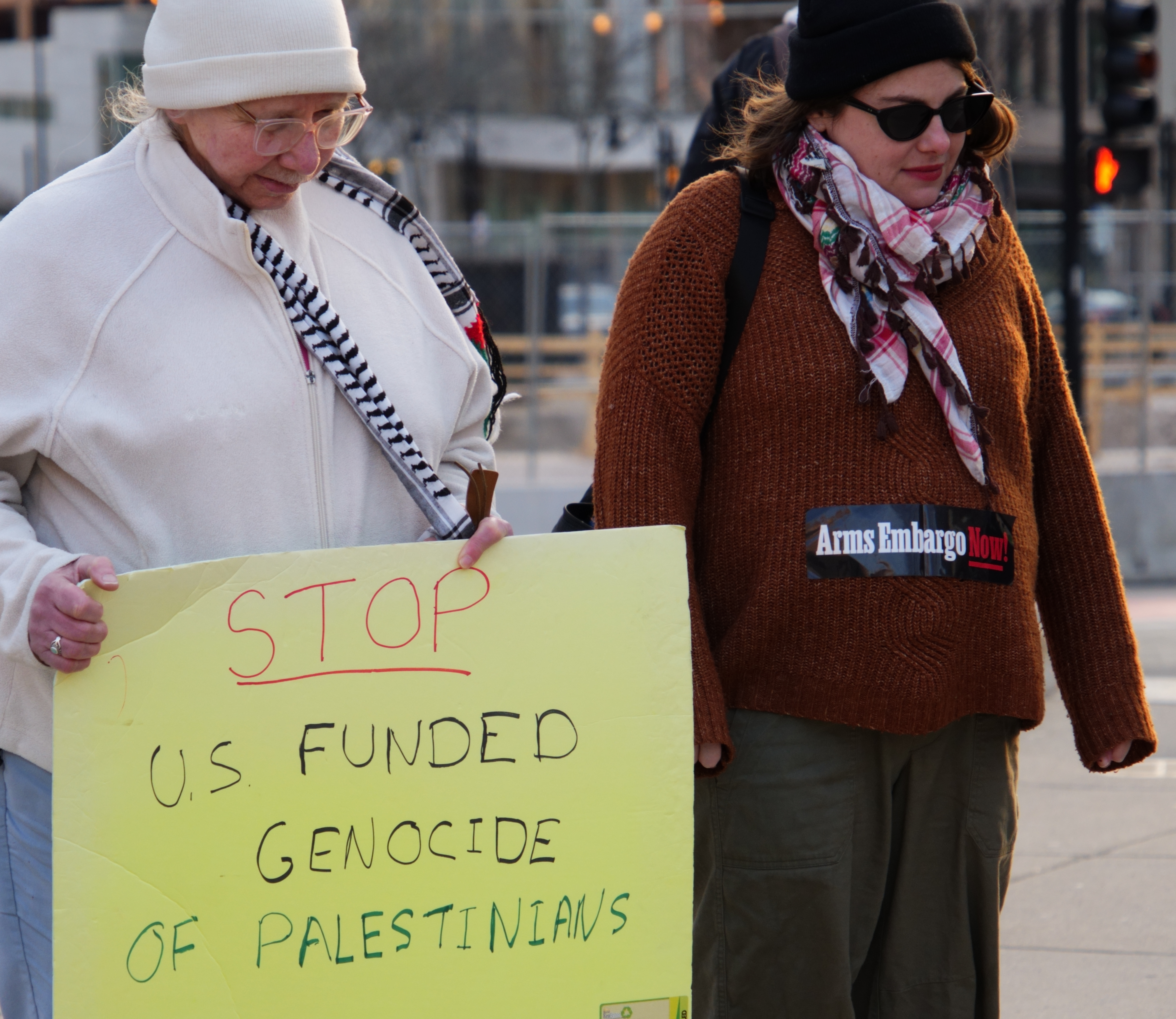
Recent sources highlight Israel’s expanded military operations in Gaza, codenamed “Gideon’s Chariots,” which include plans for occupying and controlling the territory indefinitely, with some officials openly discussing ethnic cleansing. Simultaneously, Israel has imposed a severe blockade on humanitarian aid since March 2nd, leading to catastrophic starvation, especially among children, and drawing widespread condemnation from aid agencies and international bodies who state it violates humanitarian principles and is being used as a weapon. Protests, like the one in Washington D.C. using 17,000 children’s shoes as a memorial, underscore the human cost. The plan to utilize private U.S. contractors for aid distribution in designated zones is also highly criticized by humanitarian organizations, who refuse to participate in a system that they view as discriminatory and insufficient, warning it could exacerbate the crisis and endanger civilians and aid workers.
Israeli officials indicated that urgent implementation of both plans is tied to the visit of President Donald Trump to Saudi Arabia, Qatar and the United Arab Emirates, scheduled to begin May 13. Officials described the four-day trip as a “window of opportunity” for agreement on a 50-day ceasefire and hostage release proposed by Trump Middle East envoy Steve Witkoff.
In a video statement released Monday, Netanyahu said the IDF will no longer “enter and then withdraw” from combat zones in Gaza as it has in the past, a strategy that allowed Hamas to move back into cleared areas.“We’re not doing that anymore — that’s not the intention,” Netanyahu said.“The intention is the opposite.”
In Israel, announcement of the new plan immediately sparked a furious debate over whether it set Israel on a course to eventually conquer outright or even administer the entire Strip. That has been a long-standing demand of not just Netanyahu’s far-right political allies, who hope to expel Palestinian residents to faraway countries and reestablish Jewish settlements, but also an idea favored by military hard-liners, who argue that a complete takeover of Gaza and an extended counterinsurgency operation are the only way to achieve Netanyahu’s stated goal of eliminating Hamas.
Israel plans to seize parts of Gaza and stay indefinitely. The Israel Defense Forces will gradually enter tracts of northern and southern Gaza and stay long term to root out Hamas fighters and destroy their tunnels. By Gerry Shih, Karen DeYoung, Lior Soroka and Claire Parker. The Washington Post, Updated May 5, 2025
Briefing: Situation in Gaza and Israeli Plans (as of May 2025)
Date: May 9, 2025
Subject: Review of Recent Developments and Israeli Strategy in the Gaza Strip
Key Themes:
- Escalation of Military Operations and Permanent Occupation: Israel has approved a new military strategy, “Gideon’s Chariots,” which involves the expansion of operations, indefinite occupation of Gaza territory, and the creation of expanded “sanitized” security zones/buffer zones. This marks a shift from raid-based operations to seizing and holding territory.
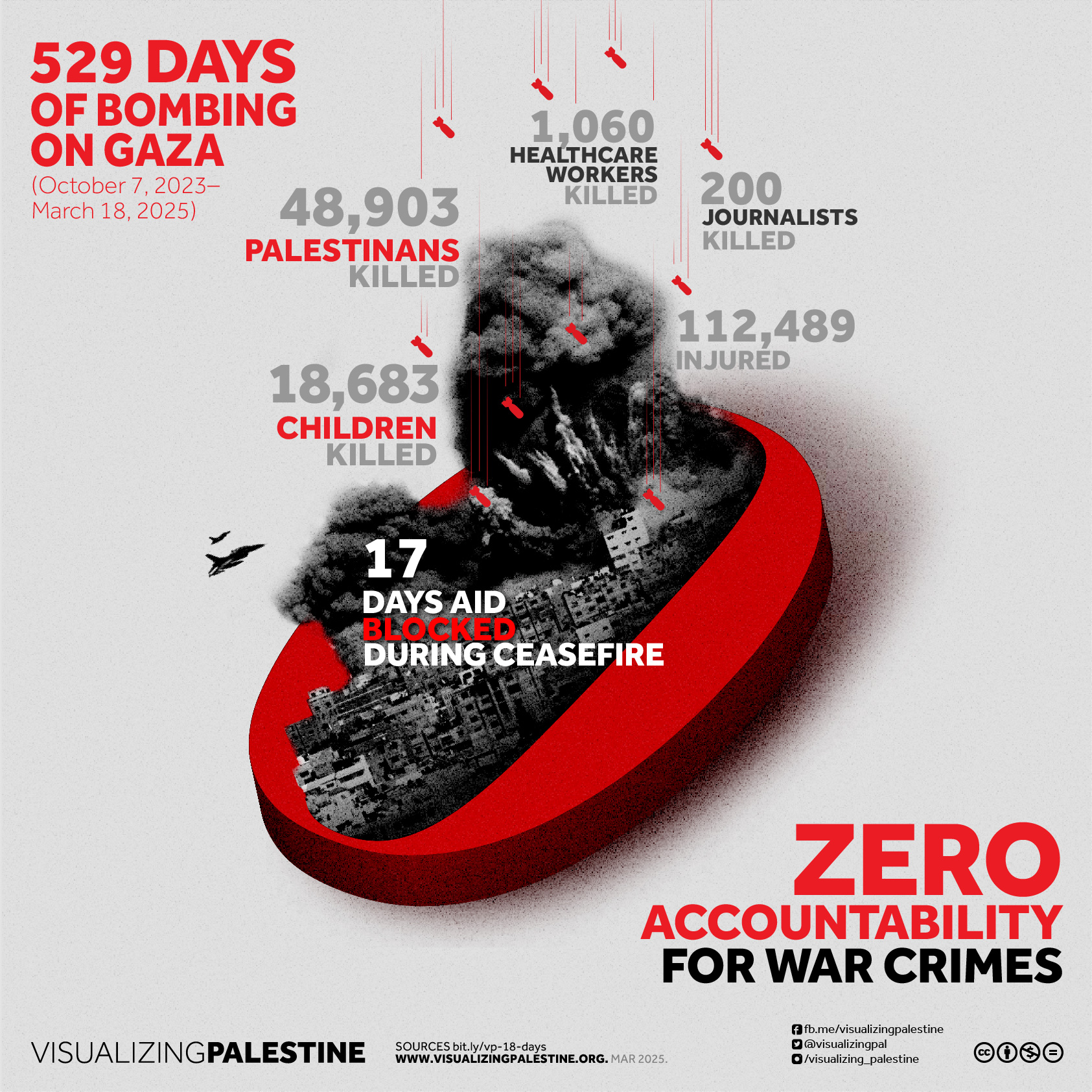
- Humanitarian Crisis and Deliberate Starvation: A severe humanitarian crisis is unfolding in Gaza, with widespread hunger and a looming famine. Aid agencies report a critical lack of food, water, medicine, and fuel due to an Israeli aid blockade. There are strong accusations that Israel is deliberately using starvation as a weapon of war and a pressure tactic.
- Controversial Aid Distribution Plan: Israel has approved a plan to control aid distribution through a new mechanism involving a private foundation and security contractors, bypassing existing humanitarian organizations. This plan is widely condemned by aid agencies and the UN as violating humanitarian principles and risking further harm to civilians.
- Disruption of Civil Order and Allegations of Israeli Involvement in Looting: Israel is accused of actively undermining Gaza’s civil governance and security apparatus, creating a power vacuum that is being exploited by armed gangs. There are allegations that Israel is encouraging or at least passively allowing looting of aid supplies and targeting those who try to stop it.
- Hostage Negotiations and Israeli Objectives: While framed as a mission to defeat Hamas and retrieve hostages, critics argue the scope of the Israeli plan suggests broader objectives of collective punishment, permanent occupation, and potentially ethnic cleansing. Hamas has accused Israel of using the aid blockade and military plans as “cheap blackmail” and a “blatant coup” against a previous ceasefire agreement.
Most Important Ideas/Facts:
- “Gideon’s Chariots” Strategy: Israel’s Security Cabinet unanimously approved the “Gideon’s Chariots” plan on May 5, 2025. This plan formalizes Israel’s intent to seize and hold Gaza indefinitely, involving overwhelming military force and the demolition of infrastructure. Israeli forces will not withdraw from captured areas but will remain, transforming parts of Gaza into expanded security belts or buffer zones, following a “Rafah model” of razing civilian neighborhoods.
- An Israeli official stated the plan “differs from previous ones by shifting from raid-based operations to the occupation of territory and sustaining it.”
- Finance Minister Bezalel Smotrich is quoted as saying, “No more going in and out – this is a war for victory… A people that wants to live must occupy its land.” He also stated, “We are occupying Gaza to stay—no more going in and out,” and “it’s time we stop fearing the word occupation.”
- The operation’s name, “Gideon’s Chariots,” is noted as having biblical symbolism invoking divine vengeance and blending with the use of Israeli Merkava tanks.
- Prime Minister Netanyahu said the intention is the opposite of entering and withdrawing: “The intention is the opposite.”
- Some Israeli officials describe permanent occupation as an “aspiration” rather than a definitive plan, but the rhetoric from some ministers strongly suggests a long-term presence.
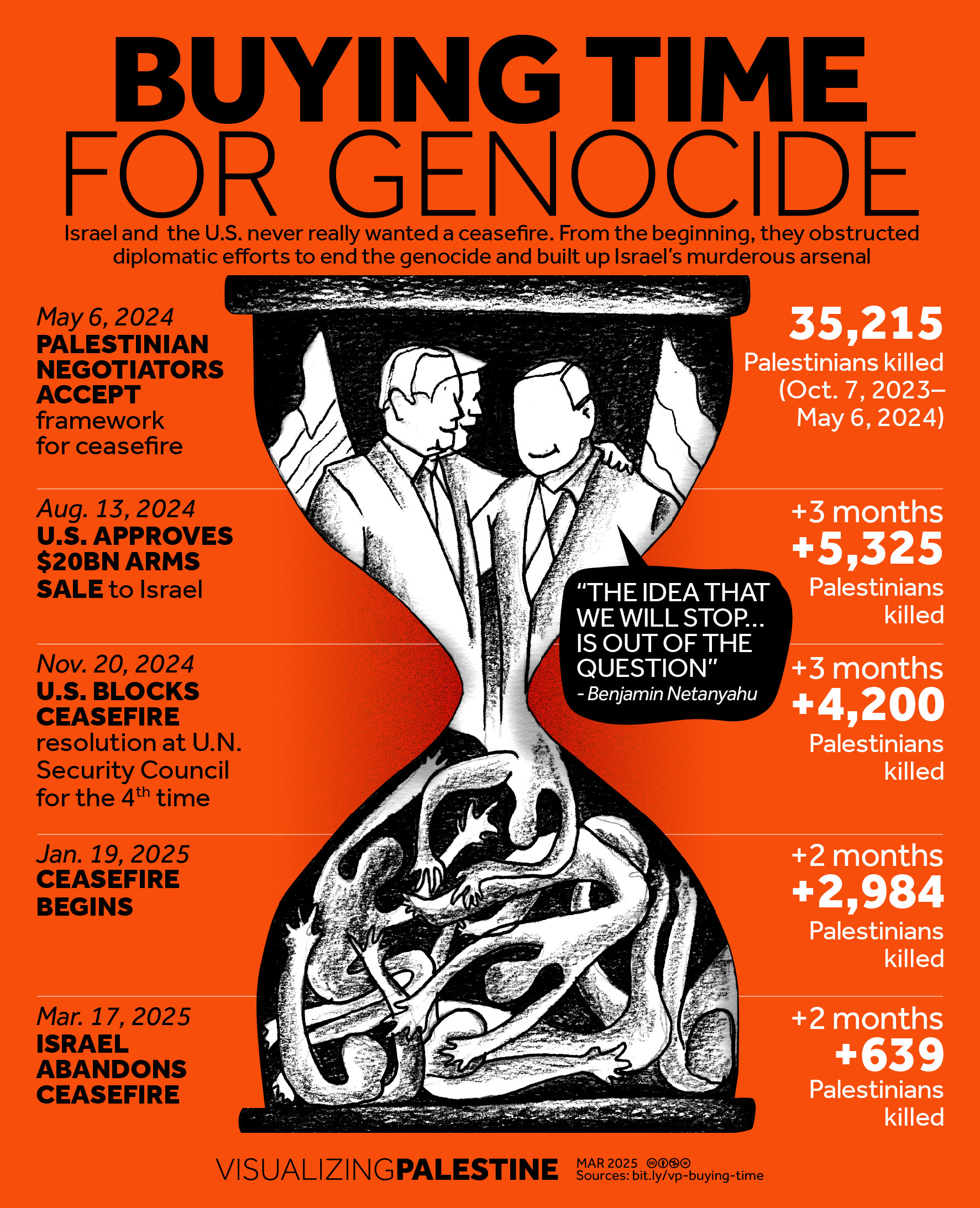
- Ultimatum Tied to Trump Visit: Israel has reportedly issued an ultimatum to Hamas, giving them until the end of US President Donald Trump’s Middle East trip (around May 16, 2025) to accept a deal, or face the full implementation of “Gideon’s Chariots.” The new operation is reportedly scheduled to begin after Trump’s trip.
- Severe Aid Blockade and Starvation: Israel imposed a total blockade of Gaza in March 2025, preventing the entry of food, water, medicines, and fuel. Aid agencies and the UN report that “Hundreds of truckloads of lifesaving supplies are waiting to enter Gaza, sitting just across the border, but are denied entry by Israeli authorities.”
- Senator Bernie Sanders stated, “Netanyahu’s extremist government talks openly about using humanitarian aid as a weapon,” and quoted Defense Minister Israel Katz: “Israel’s policy is clear: No humanitarian aid will enter Gaza, and blocking this aid is one of the main pressure levers.’”
- The Euro-Med Human Rights Monitor describes the starvation as a “fully-fledged [crime] committed in broad daylight,” noting that “Israel has closed all crossings into the devastated Strip for over two months, completely banning the entry of food, medicine, and goods.”
- Community kitchens, a lifeline for hundreds of thousands, are shutting down due to lack of supplies, with over 80 forced to close since late April. “The hunger catastrophe is beyond words,” according to one source.
- Palestinians are resorting to eating contaminated flour described as “full of mites and sand.”
- Famine conditions are reaching “catastrophic levels,” with a sharp rise in death rates documented. The Euro-Med Human Rights Monitor highlights the deliberate nature of this, stating it reflects a “deliberate policy aimed at disrupting the natural development of individuals and society, and dismantling the biological and social foundations of the Palestinian community,” suggesting an intent to destroy, which they link to the crime of genocide through systematic starvation.
- International standards for famine declaration include 20% extreme hunger, 30% child wasting, and a doubling of the mortality rate.
- The Red Cross Director-General stated the suffering “questions the very foundations of our humanity.”
- New Controlled Aid Distribution Plan: Israel’s security cabinet approved a plan for distributing aid through a private foundation and U.S. security contractors, bypassing the UN and traditional aid agencies.
- This plan reportedly involves Israel taking control of and sharply reducing aid distribution.
- Aid would be distributed at up to six hubs, with private U.S. contractors providing security.
- The UN and aid agencies strongly reject this plan, stating it “contravenes basic humanitarian principles,” is “designed to reinforce control over life-sustaining items as a pressure tactic,” and that humanitarian aid should never be used as a bargaining chip.
- The plan would reportedly permit only about 60 trucks of aid per day, a tenth of the volume allowed during the previous ceasefire.
- The plan reportedly involves using facial recognition technology to identify aid recipients.
- Far-right National Security Minister Itamar Ben Gvir was the sole dissenter against the aid plan, arguing Israel should not provide humanitarian aid as there was “enough food” in Gaza.
- International law experts warn that participation in this plan could expose aid organizations to liability for war crimes, as it “seems to inevitably exclude civilians from lifesaving aid on an arbitrary and discriminatory basis.”
- Undermining of Civil Order and Allegations of Israeli Support for Looting: Reports suggest Israel is deliberately targeting Gaza’s civil government and security services to create chaos and a power vacuum.
- This strategy aims for either total social collapse, criminality, or the emergence of alternative clan-based leadership instead of Hamas.
- Testimonies allege Israel is encouraging or turning a blind eye to armed gangs looting aid trucks, marketplaces, and warehouses.
- Growing evidence suggests Israel is actively fomenting and potentially arming these gangs.
- Israeli airstrikes have reportedly killed police officers and civilians who were protecting markets and food warehouses.
- Eyewitnesses report looting happening with Israeli air support from quadcopter drones, suggesting a “coordinated effort to spread insecurity.”
- There are allegations of undercover Israeli operatives posing as Gazans and supplying weapons to local gangs for robberies.
- Gaza security forces have formed a special unit, the “Arrow Unit,” to counter these gangs, but face challenges due to Israel’s targeting of their personnel.
- A man who briefly participated in looting described receiving directions via phone from someone who appeared to be coordinating with the Israeli army.
- Calls for Accountability and International Reaction: There is growing international outcry against Israel’s plans and actions.
- Netanyahu is wanted by the International Criminal Court for alleged war crimes and crimes against humanity.
- Starving children to death as a weapon of war is called a clear violation of the Geneva Convention, the Foreign Assistance Act, and basic human decency, and labeled a war crime.
- Regional powers like Egypt, Qatar, and Saudi Arabia have condemned “Gideon’s Chariots” as a violation of international law and a previous ceasefire agreement.
- The UK has strongly opposed the expansion of Israeli operations.
- Hamas has accused Israel of using aid as a pretext for land seizure and ethnic cleansing.
- Families of Israeli captives have expressed outrage, accusing Netanyahu of prioritizing military victory over their release.
Context:
These developments occur approximately 19 months into the conflict in Gaza, following the breakdown of a previous ceasefire in March 2025. The Israeli military had resumed attacks and dramatically altered the map of the enclave, declaring a significant portion as military “red zones” or under evacuation orders. The Houthi rebels in Yemen have also continued their attacks on shipping and launched a missile near Ben Gurion Airport, further escalating regional tensions. The current situation is marked by a severe humanitarian crisis exacerbated by the Israeli aid blockade and the approval of a new military strategy focused on indefinite occupation and a controversial aid distribution plan.














 unflinching