We’re at an inflection point in the US today. The rapid rise of authoritarianism and violence of the Trump administration is crashing against the pro-Palestinian movement’s activism and resistance.
I covered the Palestinian solidarity encampment here in Madison last spring. At the time, I was transported back to the days when, as a high school student at Scattergood Friends School, I got my first experiences in organizing and protest. This was in 1969, during the Vietnam War. The entire student body marched from the school in rural Iowa to the University of Iowa, about twelve miles away, to join the activities there related to the Moratorium to End the War in Vietnam. The students took over the University president’s office. Mannequins floated in the river representing dead Vietnamese people.
Tragically, American society is much different now. The deliberate erosion of truth gives politicians increased license to lie about any number of things. Rising authoritarianism has rapidly escalated the assault on free speech and protest. The consequences of speaking against injustice are significantly more severe.
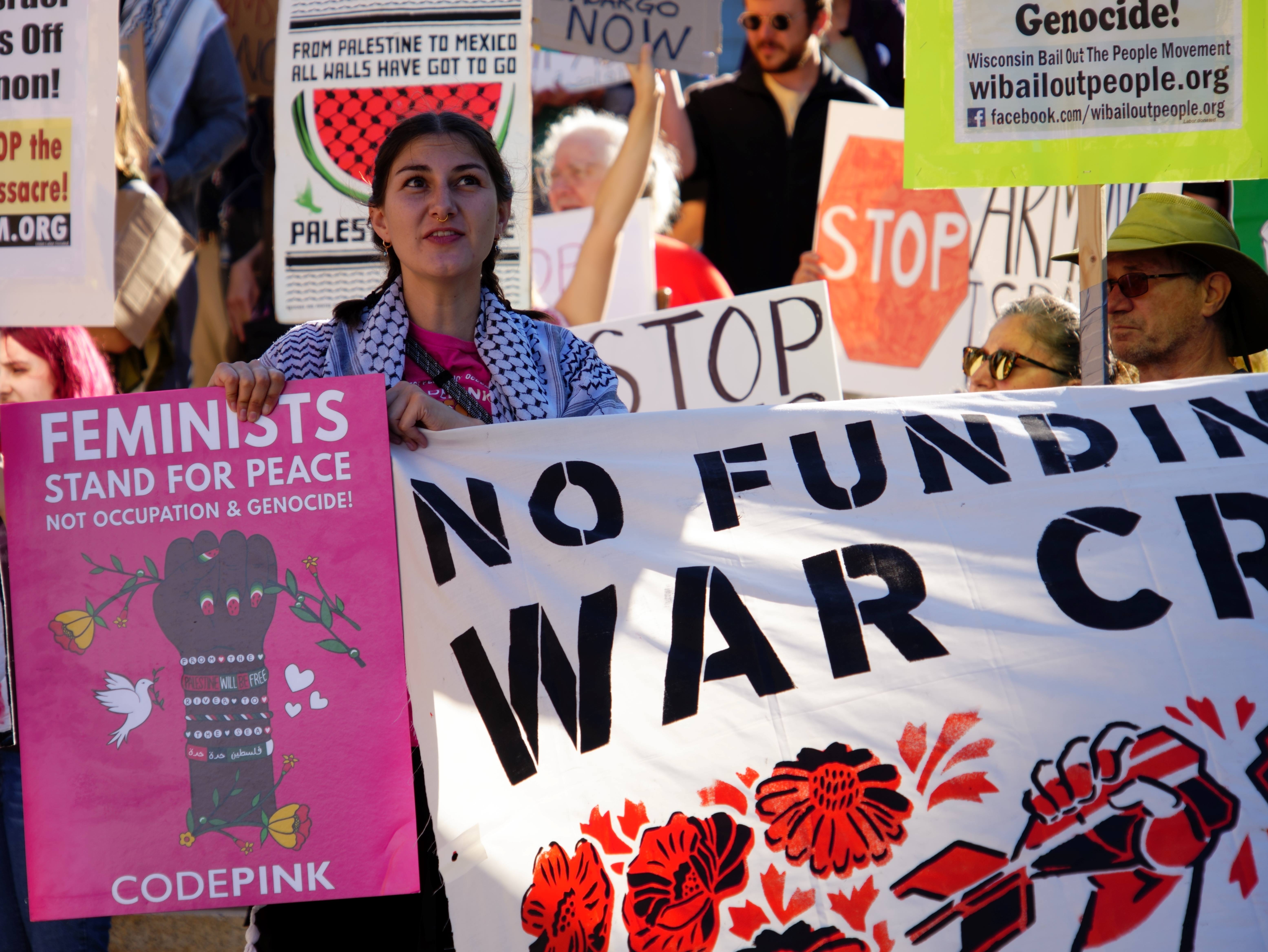
Under the Trump administration there has been a pause in student protest activities. I wondered if the repression would win. But recently the resistance has returned. In some campuses solidarity camps were started but then dismantled in the face of threats.
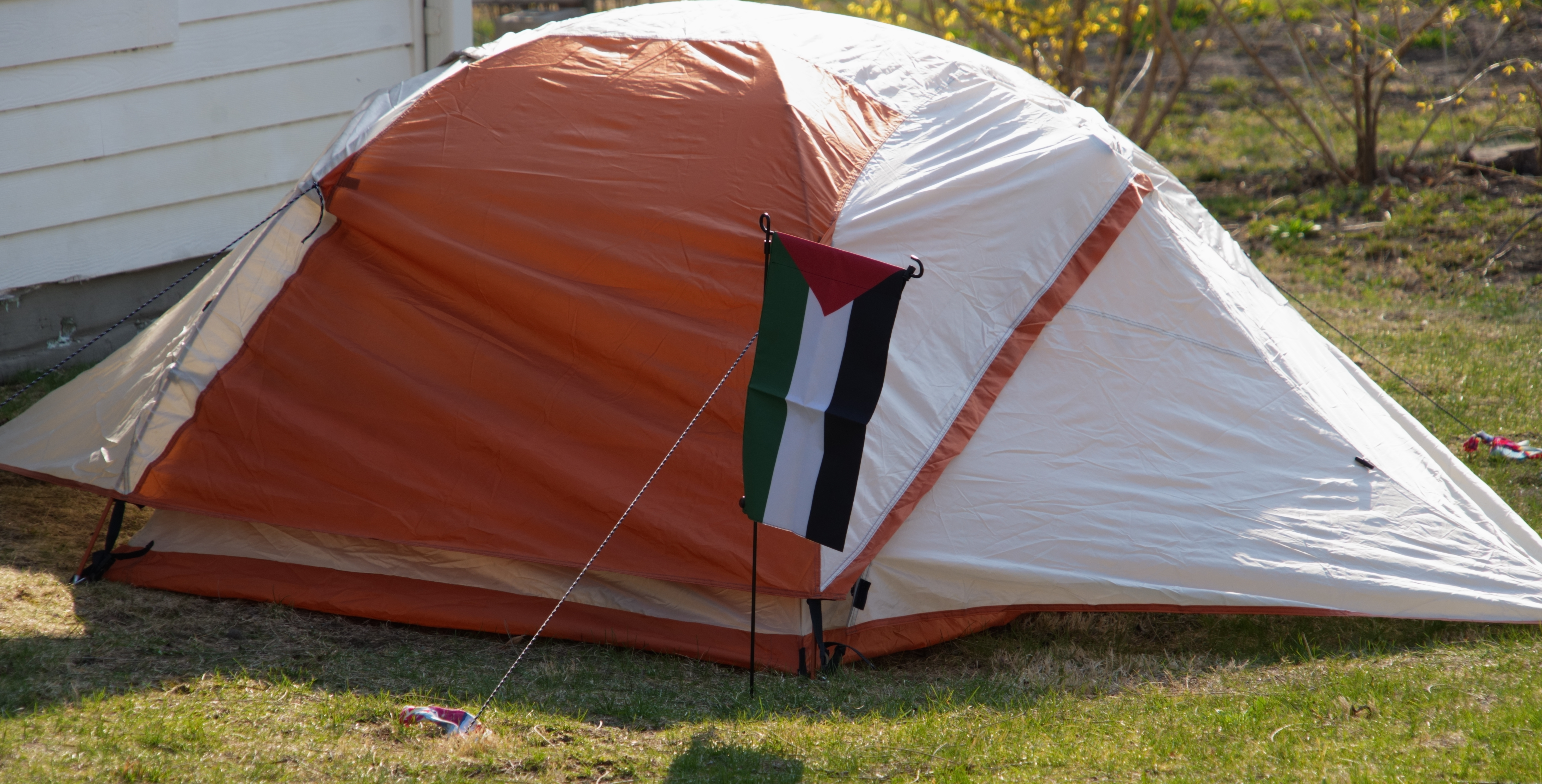
But now the encampments are forming again.
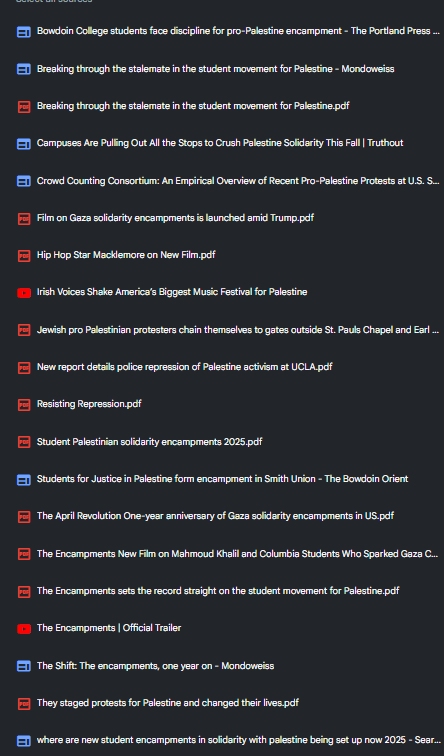
I’ve been gathering sources about these complicated and evolving issues and loaded them into a NotebookLM research project. This is the type of thing NotebookLM excels at, analyzing the sources you load into it. The following were generated from those sources.
- Podcast: 2024-2025 Student Solidarity Encampments
- Mind Maps
- Briefing Document: Student Protests for Palestine in US Universities (2024-2025)
- Detailed Timeline of Events
- Frequently Asked Questions on Recent Pro-Palestine Student Activism
- Campus Protests for Palestine: A Study Guide
Podcast
2024-2025 Student Solidarity Encampments
The Encampments
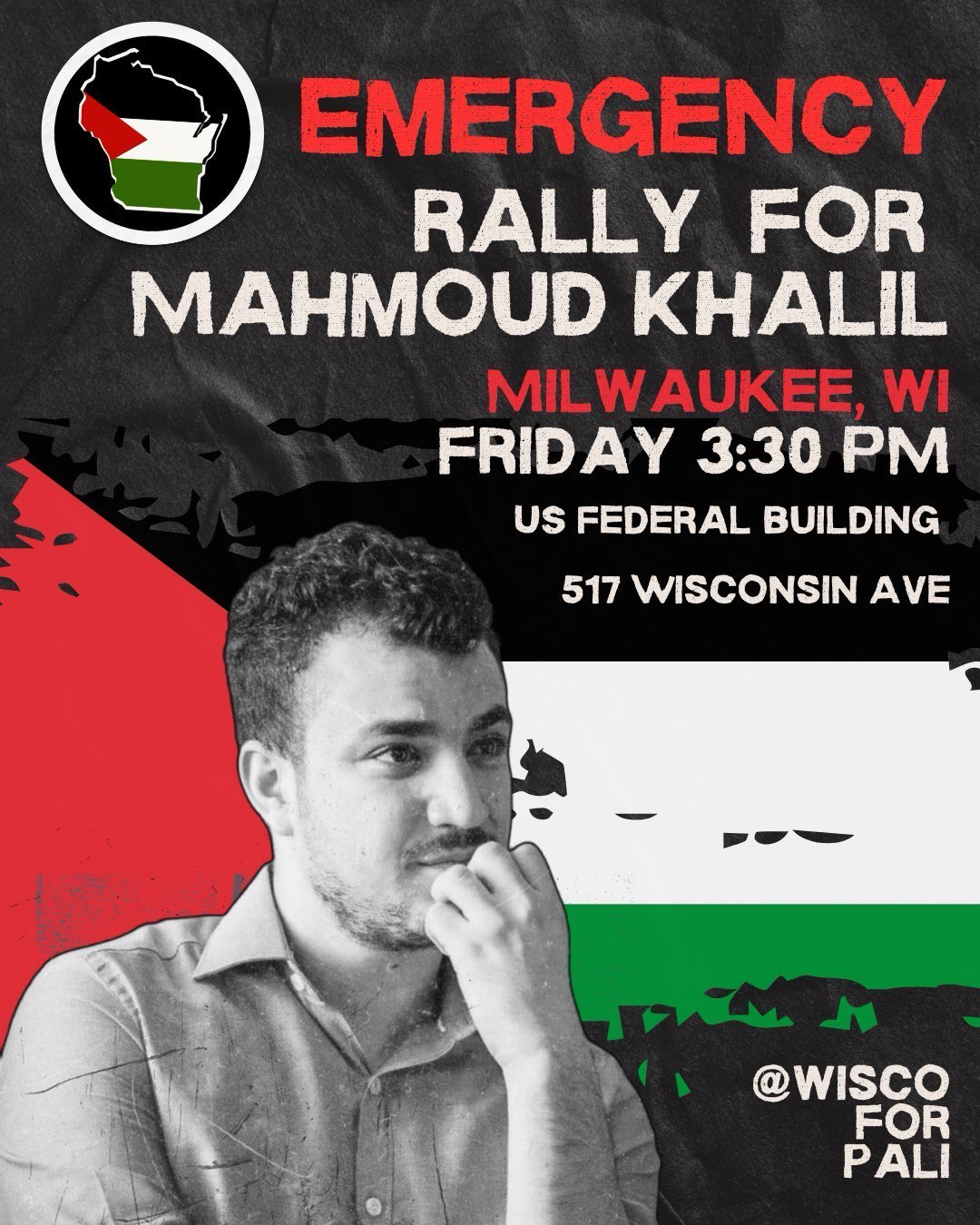
THE ENCAMPMENTS follows student organizers at elite universities, including the recently detained Mahmoud Khalil, as they take a historic stand against their institutions’ investments in the Gaza genocide. While originally scheduled for later release, we have chosen to bring it to audiences early with the blessing of those featured, driven by the urgent need to challenge the misinformation surrounding Mahmoud, the student movement, and all who feel the moral duty to stand against genocide.
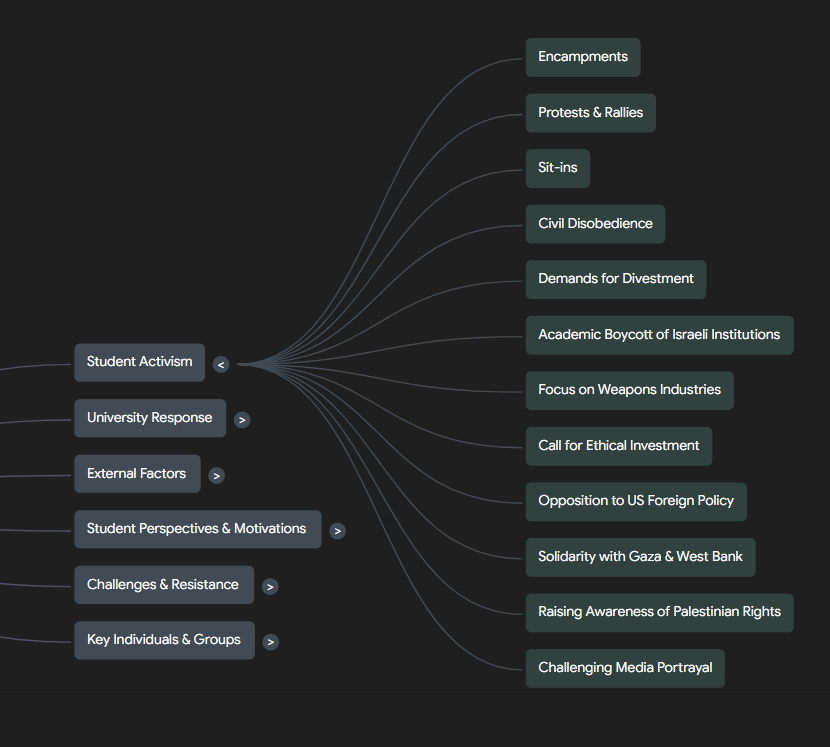
Mind Maps
Pro-Palestine Student Movement
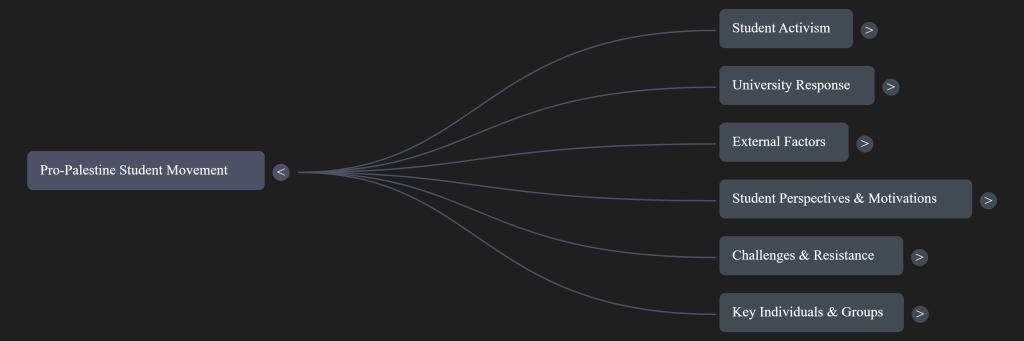
Student Activism
Student Perspectives and Motivations

Briefing Document: Student Protests for Palestine in US Universities (2024-2025)
Subject: Review of Themes and Important Ideas in Sources Regarding Pro-Palestine Student Activism in US Universities.
Overview: This briefing document synthesizes information from multiple news articles and documents regarding the surge in pro-Palestine student activism on US university campuses, primarily focusing on encampments, protests, and the subsequent responses from university administrations and law enforcement between late 2024 and mid-2025. The documents highlight student motivations, demands, university reactions, the role of external actors, and the broader context of the Israeli-Palestinian conflict.
Main Themes and Important Ideas:
1. Student Mobilization and Demands:
- Motivation: Students are primarily motivated by the ongoing Israeli military actions in Gaza and the belief that their universities are complicit through investments in weapons manufacturers and other entities supporting the Israeli government. Macklemore highlights his own awakening: “Once I started to learn, in conjunction with the videos that were coming out of Palestine, something happened in me. There was an awakening and a remembering of what actually matters in this world.”
- Core Demands: The central demand across various campuses is divestment from companies involved in weapons manufacturing and the Israeli occupation. This is often coupled with demands for an academic boycott of Israeli institutions and reinvestment in Palestinian education. Oxford Action for Palestine reiterated demands for “an academic boycott of Israeli institutions and for divestment from all arms companies while also reinvesting in the urgent Palestinian-led rebuilding of higher education in Gaza.” Bowdoin SJP stated they would stay encamped “for ‘as long as it takes’ to convince the college to divest from weapons industries.”
- Tactics: Students have employed various tactics, including encampments (occupying campus spaces like Smith Union at Bowdoin and libraries at Oxford), marches, rallies, sit-ins, and symbolic actions like renaming campus spaces (e.g., “The Khalida Jarrar Library” at Oxford and “Hind’s Hall” at Columbia). Jewish pro-Palestinian students at Columbia engaged in civil disobedience by chaining themselves to gates.
- Solidarity and Shared Struggle: Students often express solidarity with Palestinians and draw parallels to other social justice movements. Macklemore notes, “collective liberation is the only solution.” The “April Revolution” document frames the movement as confronting the “imperialist system.”
2. University Responses and Repression:
- Initial Tolerance Followed by Crackdown: Universities initially allowed some protests but increasingly resorted to disciplinary measures, suspensions, expulsions, and the involvement of law enforcement (campus security and local police). Bowdoin College students faced discipline for their encampment.
- Policy Changes and Increased Surveillance: Many universities adopted stricter policies regarding protests and assemblies. NYU announced that Zionists were a protected class, leading to concerns about the repression of Palestine solidarity activists. Increased security presence and surveillance of student activists were also reported at NYU and Purchase College. A Palestinian student at NYU stated, “NYU has cultivated an atmosphere that is incredibly repressive of student dissent and free speech against the ongoing genocide in Palestine.”
- Conflation of Anti-Zionism and Antisemitism: Universities and some external actors have increasingly conflated criticism of Israeli government policies (anti-Zionism) with antisemitism, a move activists argue is intended to silence their advocacy. Macklemore argues, “this term ‘antisemitic’ is being used in this way to instill fear, to create division, to continue the absolute genocide that is taking place in Gaza, to center that fear and use it as a mechanism in which to silence the people.” Jewish student activists also reject this conflation, emphasizing solidarity with Palestinians and stating, “Palestinian liberation is Jewish liberation. Jewish liberation is Palestinian liberation.”
- Disciplinary Actions and Legal Consequences: Students have faced a range of disciplinary actions, including temporary and permanent suspensions. Grant Miner was expelled from Columbia. The University of Wisconsin-Madison investigated students for an op-ed and alleged violations of campus rules. Some international students, like Rümeysa Öztürk, have had their visas revoked and faced detention by ICE. Secretary of State Marco Rubio justified such actions by stating, “Why would any country in the world allow people to come and disrupt? We gave you a visa to come and study and get a degree, not to become a social activist that tears up our university campuses. And if we’ve given you a visa and then you decide to do that, we’re going to take it away.”
- Collaboration with Law Enforcement: Universities are increasingly seen as collaborating with police departments, including NYPD and ICE, to surveil, investigate, and arrest student protesters. GSOC at NYU is working to include measures in their contract to prohibit NYPD and ICE access to campus buildings.
3. External Influences and Narratives:
- Political Pressure: Politicians, particularly from conservative circles and during the Trump administration, have actively pushed for the suppression of pro-Palestine activism. Maine’s federal delegation criticized Trump’s plans for Gaza. Newsom’s legislation in California was mentioned as an example of political influence on university policies.
- Media Portrayal: Activists believe there has been a “concerted effort by the media to portray things a certain way” regarding the protests. The “April Revolution” document critiques mainstream Western media for portraying “Intifada” as a scare tactic targeting Jewish people.
- Right-Wing Legal Efforts: Organizations like the Louis D. Brandeis Center for Human Rights Under Law have launched lawsuits against universities, claiming they are not doing enough to combat antisemitism, which activists see as a tactic to silence pro-Palestine voices.
- Macklemore’s Role: Hip-hop artist Macklemore has become a prominent supporter of the student movement, serving as executive producer for the documentary “The Encampments” and releasing songs like “Hind’s Hall” and “Hind’s Hall 2” to amplify Palestinian voices and support. He sees his activism as a “moral obligation” and criticizes the silence within the music industry.
4. Impact and Future of the Movement:
- Increased Awareness and Education: The protests have significantly raised awareness about the Palestinian issue and the connection between universities and the Israeli-Palestinian conflict. Macklemore notes that for many, including himself, it led to an “awakening” and a deeper understanding of the history and context.
- Resilience and Continued Activism: Despite facing repression, students remain committed to the cause. Organizers at UCLA believe that “the repression has not been working as well as the administration had intended.” Students at Stony Brook University are committed to building a “suburban mass movement.”
- Strategic Adaptation: The student movement is recognizing the need to adapt its strategies to counter university repression and avoid burnout. The Mondoweiss article “Breaking through the stalemate” emphasizes the need to “strategize and regroup” and build “durable structures.”
- Expanding Focus: Some student groups are broadening their focus to address other social justice issues and build wider coalitions, recognizing the interconnectedness of various struggles. The Purchase Solidarity Coalition aims to address the immediate needs of marginalized students while continuing to advocate for Palestinian liberation.
- Long-Term Goals: The movement aims for fundamental changes in university investment policies and a shift away from complicity with what they view as injustice and human rights violations. As Munir Atalla states, the demand for divestment is “not only a righteous and just demand, but it is inevitable.”
Key Quotes:
- Bowdoin SJP: “We are encamping Smith Union because we demand better from an institution that claims to care about the common good.”
- Mondoweiss: “Now is the time to strategize and regroup so that we are not undermined or fragmented by burnout and disorganization as the next wave of momentum builds.”
- NYU SJP Member (“Jen”): “NYU has cultivated an atmosphere that is incredibly repressive of student dissent and free speech against the ongoing genocide in Palestine.”
- Macklemore on “Hind’s Hall”: “The problem isn’t the protests, it’s what they’re protesting / It goes against what our country is funding.”
- Rabbi Abby Stein: “We are here because we are Jews… to fight for liberation of every human being.”
- UCLA Student Protester: “The university betrayed us and could have listened to the students and workers by taking meaningful steps to withdraw its support from Israeli human rights violations, war crimes, and crimes against humanity.”
- Paul (Purchase College): “They’re trying to expel me, without labeling it as that… They’re trying to put me to other students as an example—to be afraid to speak up.”
- “April Revolution”: “Because of the student uprising, we were shaken awake to how deeply entrenched and invested American academia is in the Israeli genocide in Gaza…”
Conclusion:
The student movement for Palestine in US universities represents a significant wave of activism driven by deep concern over the Israeli-Palestinian conflict and the perceived complicity of their educational institutions. While facing increasing repression from university administrations and external political pressures, students have demonstrated resilience and a commitment to their demands for divestment and ethical investment. The movement highlights ongoing debates about free speech on campus, the definition of antisemitism, and the moral responsibility of universities in the face of global conflicts. The long-term impact of this activism remains to be seen, but it has undoubtedly raised awareness and spurred significant discussion and action on campuses across the nation.
Detailed Timeline of Events
October 7, 2023: The events of this day trigger a significant shift in Macklemore’s understanding of the Israeli-Palestinian conflict, leading to his activism.
October 10, 2023: Purchase College President Milagros Peña sends a university-wide email stating “New York stands with the people of Israel,” without mentioning Palestine.
November 21, 2023: Purchase College President Milagros Peña sends an email honoring the Wappinger and Lenape people (whose land the campus occupies), further highlighting to some the lack of similar acknowledgement for Palestinians.
Late December 2023: Paul at Purchase College enters the disciplinary process following an incident involving him wearing a Palestinian flag.
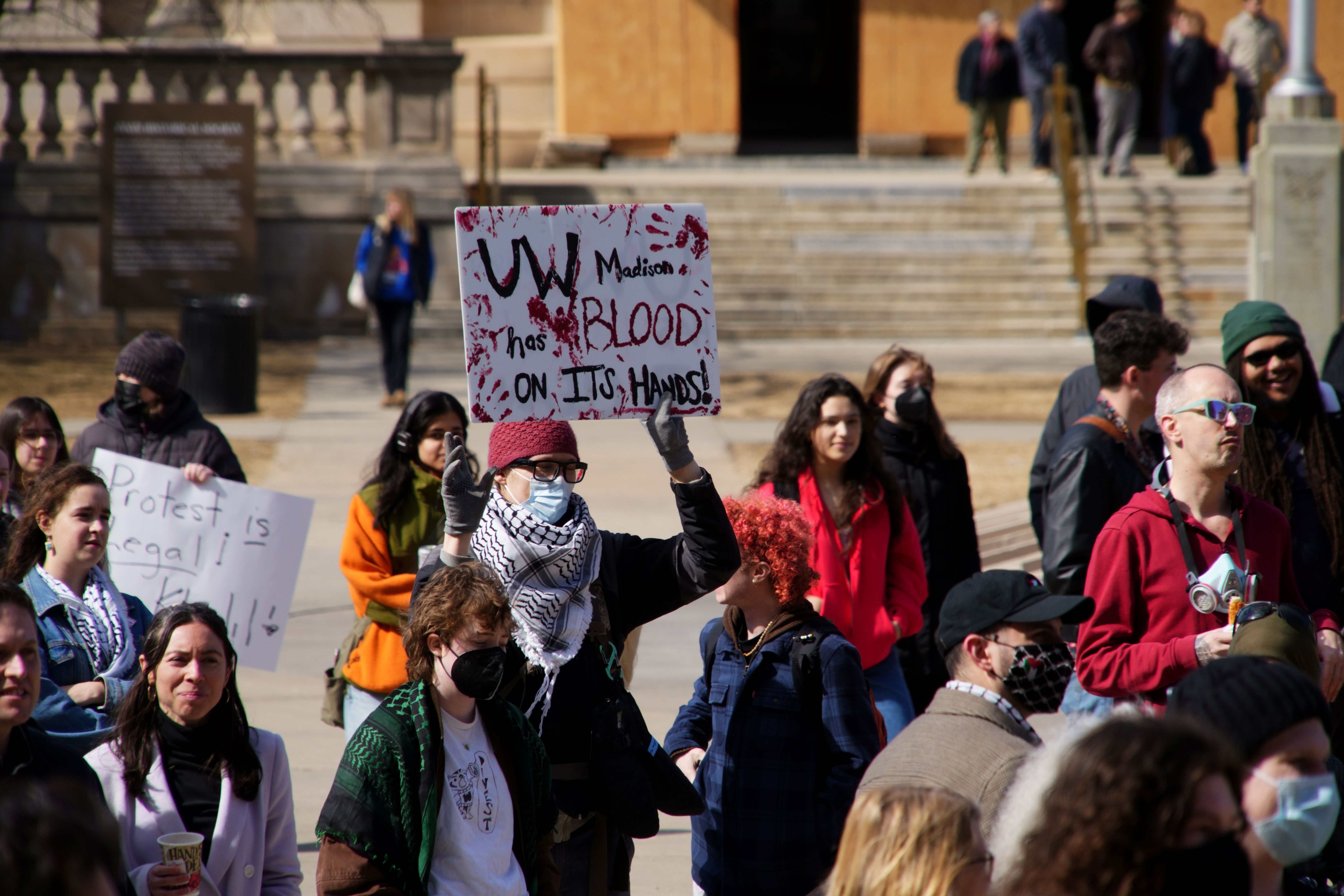
May 2024: Vignesh Ramachandran and Dahlia Saba write an op-ed criticizing the University of Wisconsin-Madison’s investment policies related to Israel’s war on Gaza.
Spring 2024:
- The University of Oxford experiences a Gaza Solidarity Encampment, mirroring a 2009 occupation with similar demands that went unaddressed.
- Student encampments and protests for Palestine gain momentum on US college campuses.
July 2024: Dahlia Saba receives a text message informing her and Vignesh Ramachandran are under investigation by the University of Wisconsin-Madison for their May op-ed.
August 2024: New York University (NYU) announces that Zionists are now a protected class under its Non-Discrimination and Anti-Harassment Policy, equating anti-Zionism with antisemitism.
September 2024: Macklemore releases “Hind’s Hall 2” with MC Abdul and Anees.
February 7, 2025:
- 8:18 a.m.: Bowdoin College Senior Vice President and Dean for Student Affairs Jim Hoppe emails students and employees about a pro-Palestine encampment formed by Students for Justice in Palestine (SJP) in Smith Union.
- 8:30 a.m.: A group of about 15 students assembles outside Smith Union at Bowdoin College and chants for those inside.
February 10, 2025: Students inside the Bowdoin College encampment are suspended as President Zaki aims to end the demonstration.
February 14, 2025: Bowdoin College SJP encampment clears after protesters and the College reach an agreement.
February 2025: Purchase College extends Paul’s suspension until January 2026.
February 21, 2025:
- SJP at Bowdoin College holds a rally calling for amnesty for students temporarily suspended for the encampment.
- Disciplinary hearings begin for the temporarily suspended students at Bowdoin College.
March 3, 2025: A “Say No to Braverman at the Oxford Union” protest takes place, where students rally for Palestine.
March 18, 2025: Israel unilaterally shatters a ceasefire in Gaza with hundreds of simultaneous strikes, killing 1,263 Palestinians in 17 days following the initial ceasefire.
March 20, 2025: The Ash Center publishes commentary on the history and moral clarity of student activism.
Late March/Early April 2025: Jewish pro-Palestinian protesters at Columbia University chain themselves to gates outside St. Paul’s Chapel and Earl Hall to protest something (likely related to the broader crackdown on activism, potentially the situation of Mahmoud Khalil).
April 2025:
- Yale University students announce the relaunch of their pro-Palestine encampment, protesting the institution’s investments in Israel.
- Purchase College student Rin discusses the formation of the Purchase Solidarity Coalition to support marginalized students and organize for Palestine and other issues.
- The April Revolution marks the one-year anniversary of Gaza solidarity encampments in the US.
April 18, 2025: Engy Sarhan and Vivian Ho publish an article in Mondoweiss reflecting on the “stalemate” and future strategies of the student movement for Palestine.
April 21, 2025: Truthout reports on more than 150 campuses holding a day of action against Trump’s attacks on higher education.
April 22, 2025: Truthout reports on the Trump administration beginning to garnish wages for millions.
April 24, 2025: Truthout reports on the “Parental Rights” movement taking its anti-LGBTQ agenda to the Supreme Court.
April 26, 2025: The Guardian reports on university student protesters facing discipline for their activism.
Sprint 2025 (ongoing):
- The documentary “The Encampments” is released, featuring the student protests and the story of Mahmoud Khalil.
- Mahmoud Khalil is reportedly in ICE jail in Louisiana and cannot be reached.
- Rümeysa Öztürk, a Turkish graduate student at Tufts, is reportedly detained by masked ICE agents in Somerville, Massachusetts.
- Reports detail police repression of Palestine activism at UCLA.
Cast of Characters
- Macklemore (Ben Haggerty): A four-time Grammy-winning hip-hop musician and vocal proponent of Palestinian rights. He is the executive producer of the documentary “The Encampments” and wrote the songs “Hind’s Hall” and “Hind’s Hall 2” in support of Palestine.
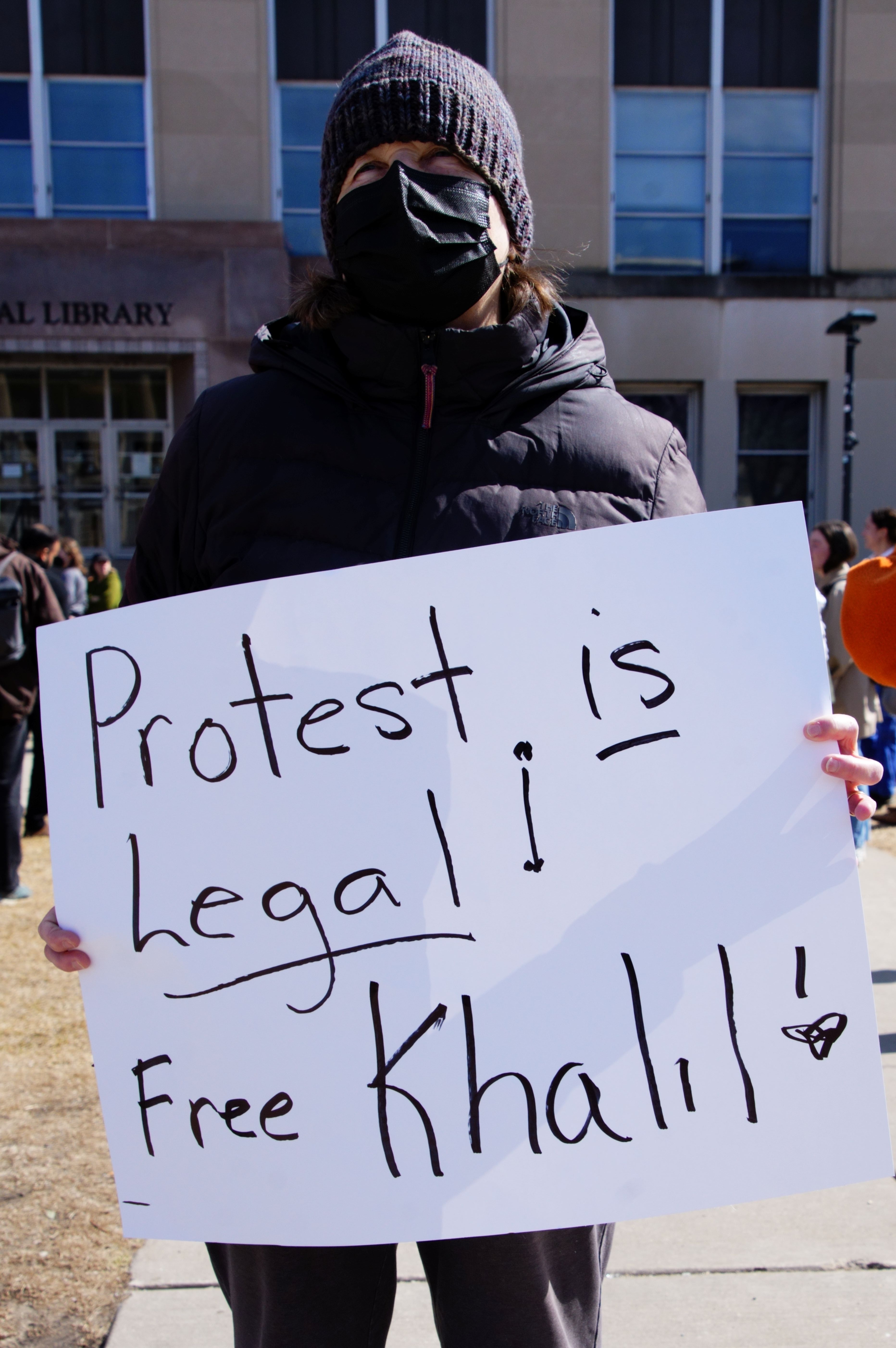
- Mahmoud Khalil: A Columbia University graduate student (School of International Affairs – SIPA) who served as one of the main negotiators with the university administration during the Gaza solidarity encampment at Columbia in 2024. He has a background in diplomacy. He is featured prominently in “The Encampments” documentary and is later reported to be in ICE detention.
- Sueda Polat: A Columbia University graduate student in human rights who was also a key negotiator with the administration during the encampment. She spent time in Palestine prior to her studies and was deeply affected by the situation there. She is featured in “The Encampments.”
- Grant Miner: A Jewish American graduate student at Columbia University (reportedly in his fifth or sixth year) who participated in pro-Palestine activism. He was expelled from Columbia and is featured in “The Encampments.”
- Hind Rajab: A 5-year-old Palestinian girl in Gaza whose desperate call to emergency services before being killed by Israeli forces gained international attention and deeply affected Macklemore, inspiring his song “Hind’s Hall.”
- MC Abdul: A teenage rapper from Gaza who collaborated with Macklemore and Anees on “Hind’s Hall 2.” His verse provides a personal perspective on the Palestinian struggle.
- Anees: A Palestinian American singer who collaborated with Macklemore and MC Abdul on “Hind’s Hall 2.”
- Alana Hadid: Reportedly connected to the making of “The Encampments” documentary and reached out to Macklemore about it.
- Rümeysa Öztürk: A Turkish graduate student at Tufts University who was reportedly detained by masked ICE agents. She had previously written an opinion piece about the Gaza war.
- Marco Rubio: A US Secretary of State (as depicted in the source) who defends the revocation of Rümeysa Öztürk’s student visa, stating that universities should not welcome visitors who intend to disrupt campuses.
- Aharon Dardik: A student (GS ’26) at Columbia University who questioned Public Safety officers during a protest where Jewish students chained themselves to campus gates.
- Jen: A Palestinian student and member of NYU SJP who spoke to Truthout about the repressive atmosphere and increased surveillance of pro-Palestine activists at NYU.
- Paul: An Afro-Latino student at Purchase College who faced suspension and disciplinary action for wearing a Palestinian flag and later for alleged vandalism. He has become a vocal advocate for Palestinian liberation and against the repression of student activism.
- Milagros Peña: The President of Purchase College, who sent emails regarding the Israel-Palestine conflict that were perceived by some students as biased.
- Patricia Bice: Vice President for Student Affairs and Enrollment Management at Purchase College, who informed Paul of his interim suspension.
- Kenneth Marcus: Founder of the Louis D. Brandeis Center for Human Rights Under Law, a nonprofit organization that has launched lawsuits against universities claiming they are not doing enough to combat antisemitism.
- Rin: A student at Purchase College involved in activism who discusses the surveillance of student groups and the formation of the Purchase Solidarity Coalition.
- Victoria: An international graduate student worker and union steward at NYU (using a pseudonym) who discusses the increased police presence on campus and efforts to protect students from law enforcement actions.
- Adam: An organizer with SB4Palestine at Stony Brook University who discusses their efforts to build a suburban mass movement for Palestinian liberation despite facing repression.
- Dahlia Saba: A graduate student at the University of Wisconsin-Madison who faced investigation for co-writing an op-ed critical of the university’s investments related to Israel.
- Vignesh Ramachandran: A schoolmate of Dahlia Saba at the University of Wisconsin-Madison who co-wrote the op-ed and was also under investigation.
- Jim Hoppe: Senior Vice President and Dean for Student Affairs at Bowdoin College, who sent an email regarding the SJP encampment.
- President Zaki: The President of Bowdoin College (mentioned in a correction regarding the timeline of events).
- Katie Toro-Ferrari: An individual at Bowdoin College who addressed the SJP encampment, citing operational and community disruptions.
- Rabbi Abby Stein: A rabbi who participated in and spoke at a pro-Palestine protest at Columbia University, emphasizing Jewish values of liberation and the inherent divinity of every human being.
- Munir Atalla: Mentioned in relation to Grant Miner’s expulsion, stating that students are on the right side of history and that Columbia’s divestment is inevitable.
- Naye Idriss: A protester shown leading chants at a pro-Palestine rally in “The Encampments” trailer.
- Anas al-Sharif: An Al Jazeera correspondent reporting from Gaza on the impact of Israeli bombings.
- Tareq Hajjaj: A Mondoweiss correspondent who interviewed witnesses after an Israeli airstrike on a “safe zone” in Khan Younis.
- Itamar Ben-Gvir: A far-right Israeli security minister with extremist views who visited New Haven, sparking protests at Yale University.
- Baruch Goldstein: A mass murderer whose portrait Itamar Ben-Gvir reportedly kept in his home.
- Mohsen Mahdawi: Mentioned in an “Odds & Ends” section regarding ICE ambush and potential deportation.
- Mike Huckabee: The US Ambassador to Israel (as depicted in the source) who reportedly admitted that Israel is purposely blocking humanitarian aid to Gaza.
Frequently Asked Questions on Recent Pro-Palestine Student Activism
- Why are students on college campuses protesting and forming encampments? Students are protesting against the ongoing Israeli military actions in Gaza, which many describe as a genocide, and the continued occupation of Palestinian territories. They are also protesting against their universities’ investments in weapons manufacturers and other companies that support the Israeli military and occupation, arguing that these investments make their institutions complicit in human rights violations. Some protests have specifically called out political figures like Donald Trump for their stances on the issue, including plans to “take over” Gaza.
- What are the primary demands of the student protesters? The central demand of the student movement is often for their universities to divest their endowments from companies involved in weapons manufacturing and other entities that support the Israeli occupation. Some groups also call for an academic boycott of Israeli institutions and reinvestment in Palestinian-led rebuilding efforts, particularly in higher education in Gaza. Additionally, protesters often demand greater transparency regarding their universities’ financial assets and investment portfolios.
- How have universities and authorities responded to these protests and encampments? Universities have responded in various ways, often employing disciplinary measures against protesting students, including suspensions and expulsions. They have also implemented stricter campus policies to deter protests and have increased security presence, sometimes involving local police departments and even federal agencies like ICE. Some universities have been accused of conflating anti-Zionism with antisemitism, further repressing Palestine solidarity activism. There have been reports of surveillance, arrests, and even instances where students have had their visas revoked for participating in protests.
- What role does the concept of “divestment” play in the student movement? Divestment is a core strategy of the student movement. Inspired by historical divestment movements, such as the one against apartheid in South Africa, students aim to pressure their universities to withdraw financial investments from companies they believe are profiting from or enabling human rights abuses in Palestine. They argue that divestment is a moral imperative and a concrete way for institutions to align their financial practices with their stated values of justice and the common good.
- How has the broader political climate, particularly under the Trump administration, influenced this activism and the responses to it? The return of a Trump administration is seen by many activists as a period of heightened repression against Palestine solidarity efforts and dissent in general. There are concerns about increased surveillance, stricter immigration policies impacting international student activists, and a broader chilling effect on free speech related to the Israeli-Palestinian conflict. Some view the crackdowns on student protests as part of a revived era of McCarthyism aimed at silencing those who speak out against U.S. support for Israel.
- Has the student movement faced accusations of antisemitism, and how have activists responded? Yes, the movement has frequently faced accusations of antisemitism. Activists, including many Jewish students, have strongly refuted these claims, emphasizing that their criticism is directed at the policies of the Israeli government and the political ideology of Zionism, not at Jewish people or the Jewish faith itself. They highlight the significant participation of Jewish individuals and groups in the pro-Palestine movement, who see their activism as aligned with Jewish values of justice and liberation.
- What impact has the student activism had, both on campuses and beyond? Despite facing repression, the student movement has had a significant impact. It has raised widespread awareness about the Palestinian issue and the role of academic institutions in it. The encampments and protests have disrupted university operations and forced administrations to address the students’ demands, even if not always in the way the students hoped. The movement has also fostered solidarity among students across different campuses and has inspired similar actions internationally. Furthermore, the activism has contributed to a broader public discourse that challenges mainstream narratives about the Israeli-Palestinian conflict and the meaning of solidarity. The documentary “The Encampments” and songs like Macklemore’s “Hind’s Hall” further amplify the students’ voices and reach a wider audience.
- How are student activists strategizing to sustain their movement in the face of university and political repression? Activists are focusing on long-term strategies that go beyond reactive responses to university crackdowns. This includes building durable organizational structures, prioritizing political education and recruitment, and fostering coalitions within and across universities and with community groups. There is an emphasis on decentralizing activism to make it less vulnerable to targeted repression and on connecting the struggle for Palestinian liberation with other social justice movements, such as those advocating for racial justice, immigrant rights, and economic equality. The aim is to create a sustained and resilient movement that can withstand institutional amnesia and student turnover.
Campus Protests for Palestine: A Study Guide
Quiz
- According to the Portland Press Herald, what specific action did Bowdoin College students take to protest U.S. policy towards Gaza, and what was their primary demand of the institution?
- Based on the Mondoweiss articles, what is the central argument regarding the current state of the student movement for Palestine, and what strategic shifts are proposed?
- How does the Truthout article describe the tactics being employed by university administrations to counter pro-Palestine activism on campuses, and what is NYU’s controversial policy mentioned in the article?
- According to Macklemore in his interview, what prompted his increased activism and the creation of his songs “Hind’s Hall” and “Hind’s Hall 2”? How did the encampment movement influence him?
- Referring to the Jewish pro Palestinian protesters… article, what action did Jewish pro-Palestine protesters take at Columbia University, and what specific event prompted this action?
- Based on the New report details police repression…, how has the crackdown on the UCLA encampment impacted subsequent Palestine activism on campus, according to student perspectives?
- According to the Resisting Repression article, what actions did Purchase College student Paul take to advocate for Palestine, and what disciplinary measures did the college impose in response?
- According to The April Revolution…, what is the significance of the student uprising in the context of American academia and mainstream media’s portrayal of the term “Intifada”?
- Based on The Encampments… materials, what were the initial responses of the Columbia University administration to the Gaza solidarity encampment, and how did the students involved view their actions?
- According to The Shift…, what evidence is presented to illustrate the ongoing urgency and severity of the situation in Gaza, which serves as a backdrop to the campus protests?
Answer Key
- Bowdoin College students formed an encampment in Smith Union. Their primary demand of the college was to divest from weapons industries.
- The central argument is that the student movement for Palestine is facing strategic stagnation due to reactive cycles and burnout. Proposed shifts include developing durable structures, sustained recruitment, political education, and coalition-building.
- Universities are adopting strict new policies, increasing surveillance, conflating anti-Zionism with antisemitism, and erecting physical barriers. NYU controversially declared Zionists a protected class.
- Macklemore’s increased activism was prompted by witnessing videos from Gaza and learning about the history of the Israeli-Palestinian conflict. The encampment movement, particularly the actions at Columbia, inspired his song “Hind’s Hall.”
- Jewish pro-Palestine protesters chained themselves to gates outside St. Paul’s Chapel and Earl Hall at Columbia University. This action was taken to protest ICE’s capture of Mahmoud Khalil.
- According to student perspectives, while there are fears of repression, the discussion on Palestine has not been scaled back, and dedicated students remain willing to take risks and be vocal in support of Palestine.
- Paul draped himself in a Palestinian flag and wore it to school. In response, he was placed on interim suspension, investigated for a “possible hate crime,” and ultimately suspended for a semester, later extended, with a “persona non grata” ban from campus.
- The student uprising revealed the deep entanglement of American academia with the Israeli genocide and challenged mainstream Western media’s portrayal of “Intifada” as inherently antisemitic, highlighting the distinction between Zionism and Judaism.
- The Columbia administration initially tried to prevent the encampment by restricting water, closing gates, and prohibiting tents and blankets. The students viewed their actions as morally driven, aiming to push the university to divest from morally reprehensible weapon manufacturers.
- The articles describe ongoing Israeli military actions, including bombings of schools sheltering displaced people and tent encampments in “safe zones,” resulting in numerous Palestinian deaths, including children, highlighting the continued urgent need for action.
Essay Format Questions
- Analyze the various tactics employed by student activists in the provided sources to protest U.S. policy and institutional complicity regarding Palestine. Compare and contrast the effectiveness and risks associated with these different approaches.
- Discuss the responses of university administrations to the pro-Palestine student movements as depicted in the sources. What justifications do they offer for their actions, and how do student activists and their supporters critique these responses?
- Explore the arguments presented in the sources regarding the relationship between anti-Zionism and antisemitism. How do activists and their allies attempt to distinguish between the two, and why is this distinction significant in the context of campus activism?
- Examine the role of external factors, such as political figures, media portrayals, and international events, in shaping the dynamics of the pro-Palestine student movement on U.S. campuses, as evidenced in the provided materials.
- Considering the challenges and setbacks faced by the student movement for Palestine, as highlighted in the sources, what strategies and long-term goals are proposed to sustain and amplify their impact?
Glossary of Key Terms
- Divestment: The act of withdrawing investments from specific companies, industries, or institutions, often for ethical or political reasons. In this context, it refers to demands for universities to withdraw financial support from companies involved in weapons manufacturing or the Israeli occupation of Palestine.
- Encampment: A form of direct action protest where participants set up temporary living spaces, often tents, in a public area to bring attention to their cause and exert pressure on institutions.
- SJP (Students for Justice in Palestine): A student-led organization active on many college campuses in the United States and elsewhere, advocating for Palestinian rights and raising awareness about the Israeli-Palestinian conflict.
- BDS (Boycott, Divestment, Sanctions): A global movement advocating for boycotts of Israeli products and institutions, divestment from companies involved in the occupation, and sanctions against Israel until it complies with international law and Palestinian rights.
- Zionism: A political ideology and movement that supports the establishment and development of a Jewish state in the historical Land of Israel (roughly corresponding to Palestine). The sources highlight the distinction between Zionism as a political ideology and Judaism as a religion and cultural identity.
- Antisemitism: Hostility to, prejudice towards, or discrimination against Jews. The sources discuss the controversy surrounding the conflation of anti-Zionism with antisemitism.
- Intifada: An Arabic word meaning “uprising” or “shaking off.” In the context of the Israeli-Palestinian conflict, it refers to two major Palestinian uprisings against Israeli occupation. The term is discussed in the sources regarding its portrayal in Western media.
- Genocide: The deliberate killing of a large number of people from a particular nation or ethnic group with the aim of destroying that nation or group. Pro-Palestine activists often accuse Israel of committing genocide against Palestinians in Gaza.
- Collective Liberation: The idea that the liberation of one group is interconnected with the liberation of all oppressed groups. This concept is referenced in the context of Jewish and Palestinian solidarity.
- Carceral Partners: In the context of the Mondoweiss article, this term refers to universities’ collaboration with law enforcement and other institutions involved in policing and surveillance to suppress student activism.
NotebookLM Sources









 unflinching