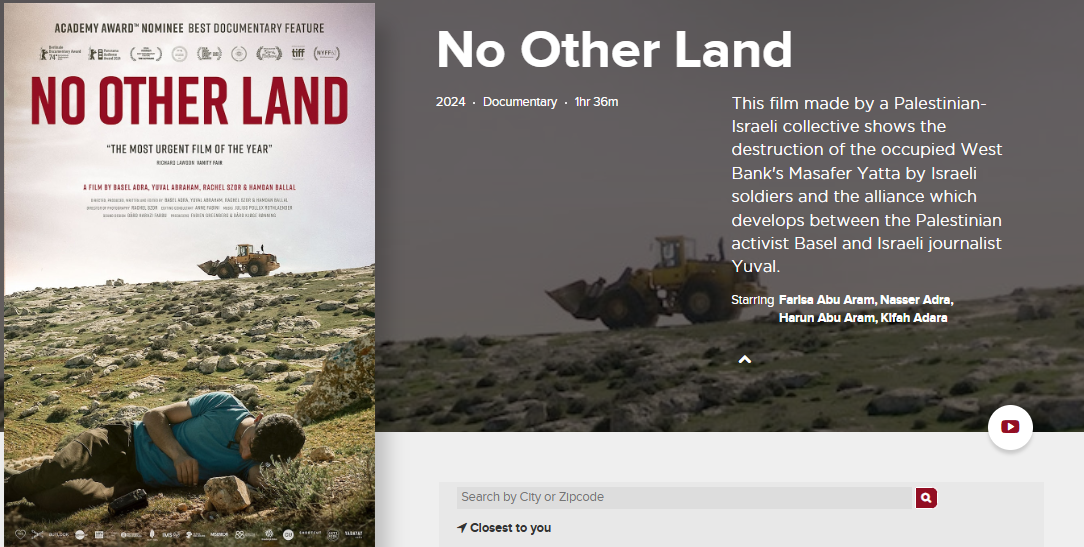
No Other Land is the first documentary to shed light on the policy of forced expulsion through home demolitions.
The Center for Jewish Nonviolence (CJNV) is supporting the Masafer Yatta community. Masafer Yatta is the home of Basel Adra, one of the filmmakers of “No Other Land.” Basel speaks of the importance of the support from CJNV in the video below, The Story of the Center for Jewish Nonviolence.
The goal is to have 5,000 people support the fundraiser for the people of Masafer Yatta. So far, there are 893 supporters (including me).

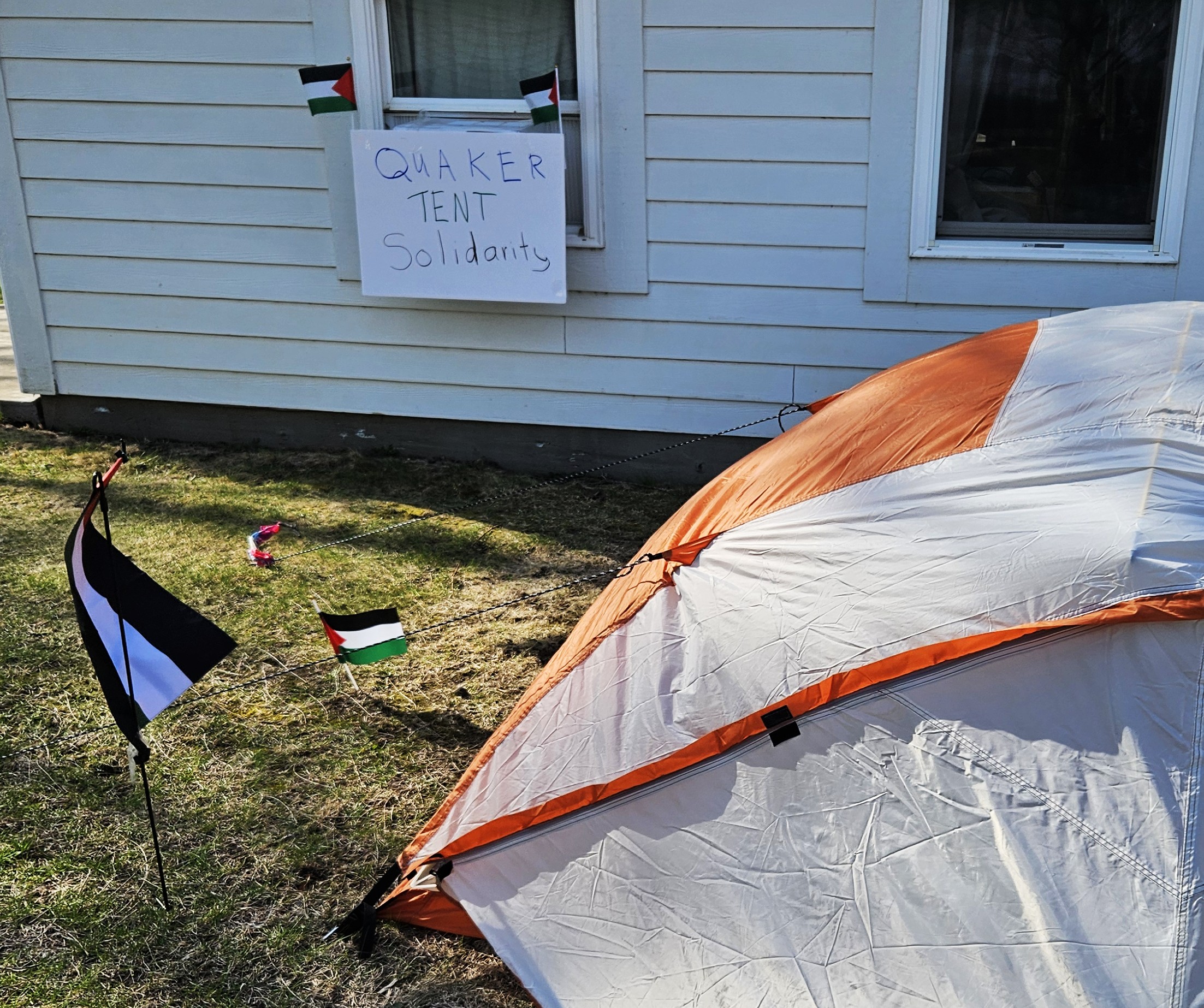
Coresistance refers to the collective opposition to oppression, injustice, or systemic issues, where multiple groups or individuals resist together.
Masafer Yatta History
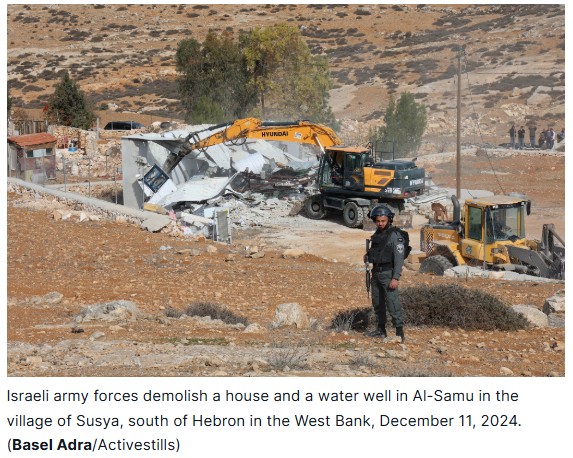
The pressures put on communities by the occupation to leave their homes is immense. One central tactic used to cleanse communities and carry out this expulsion is Israel’s policy of systematic home demolitions. The Israeli Civil Administration in the West Bank rejects more than 98% of Palestinian requests for building permits, while allowing settlers in the area to build freely. This colonial policy uses military law to force entire families in Masafer Yatta to leave their historical lands. Because their homes, schools, water wells, and roads are considered “illegal” by the army and marked for destruction, their mere existence, on their private land, is essentially made illegal.
No Other Land is the first documentary to shed light on the policy of forced expulsion through home demolitions. Settler and army violence, harassment and encroachment are another primary tool which makes life impossible and seeks to force communities to leave. This violence can sometimes receive international or local attention. We wanted to tell the story of how this violence is part of and connected to the larger system of ethnic cleansing that is also driven by the policy of home demolitions and permit refusal.
When communities are demolished, families in Masafer Yatta and the South Hebron Hills have few options. They can rebuild and risk future demolitions (many families have suffered multiple demolition proceedings), become homeless, or rent houses in crowded Palestinian cities where there is no space for grazing sheep and cultivating land. The expulsion of communities is thus not just the loss of a community or a physical village, but also the loss of a way of life.
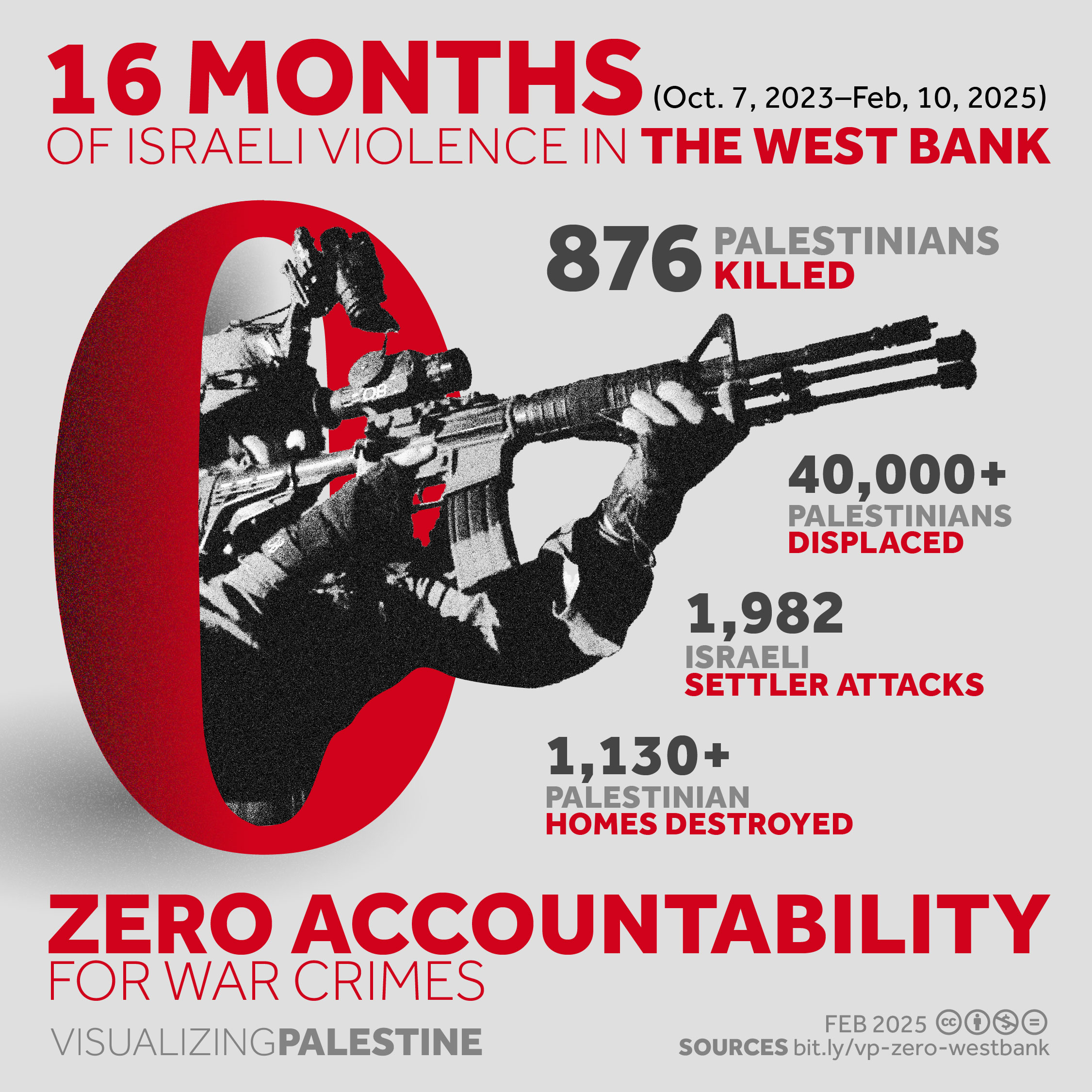
Since October 7th, the situation in the West Bank has dramatically deteriorated: settler violence and threats forcibly expelled 16 entire Palestinian villages all over the West Bank, several of which are in Masafer Yatta and the South Hebron Hills, and most of which are shepherding communities similar to those of Masafer Yatta.
Beyond the demolitions and the settler violence, in 1980, the Israeli military declared a huge swath of Masafer Yatta a “closed military training” zone – meaning it was officially declared off limits for Palestinians. As later revealed in two secret Israeli state documents, Ariel Sharon, former Israeli Prime Minister, then Agricultural Minister, explained at the time that this was done to displace the villages and allocate their land to Israeli settlements. In 1999, the military ordered all Palestinians living in Masafer Yatta to leave so soldiers could use their land as a military training ground, displacing over a dozen villages.
Residents returned, but in 2022, after a two-decade long legal battle, the high court gave the military a green light to carry out the expulsion. If acted upon, this would be the largest single act of forced transfer carried out in the West Bank since it was occupied in 1967. The decision to destroy the Palestinian villages and evict around 1,800 people so the military can use their land for training exercises triggered worldwide condemnation and is considered by many, including Amnesty International and UN Human rights experts, to be a war crime.
About CJNV
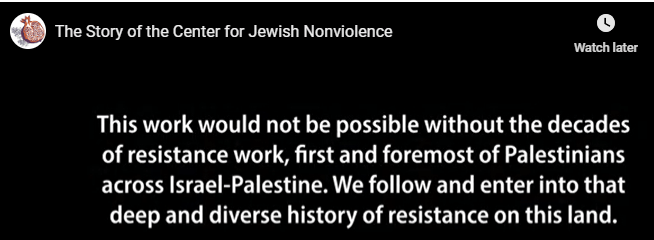
The Center for Jewish Nonviolence (CJNV) brings Jewish activists from around the world to join in on-the-ground Palestinian-led nonviolent civil resistance to occupation, apartheid, and ethnic cleansing.
For the last 10 years, CJNV has been partnering with Palestinian communities in Masafer Yatta, supporting their sumud (steadfastness) and building networks of solidarity and coresistance. Together with community leaders, we have launched this fund for Masafer Yatta and the South Hebron Hills to support the many emergency needs that are wrought on these communities by Israel’s settler-state apartheid system and to build toward larger-scale projects that safeguard these communities’ existence.
One of our core values at CJNV is to leverage our privilege in the pursuit of justice. We have the privilege and the power to give and fundraise from our networks to support communities across Masafer Yatta to remain in their homes and on their land. We also have the infrastructure to support these mutual aid projects in a way, and at a scale, that is nearly impossible for them due to the repressive conditions under which communities in Masafer Yatta live because of the Israeli occupation.
We are proud and honored to be able to help with this effort, as well as the other fundraising campaigns we’ve been a part of with Masafer Yatta communities in the past. All funds, aside from standard processing fees, will reach the communities and be distributed in accordance with the decisions and leadership of local Palestinian community leaders.
Providing this support not only helps communities maintain presence and recover from settler-state attacks, but also demonstrates that people from around the world stand in solidarity with the people of Masafer Yatta. Our solidarity — across nationality, race, ethnicity, language, religion, and language — undermines Israel’s attempts to isolate and divide Palestinian communities from one another and the rest of the world. This project, like all our work at CJNV, serves as a model for a different, more just reality — for the world we are trying to build alongside our partners.
To learn more, visit our website. For any questions, please email info@cjnv.org
Coresistance
“Coresistance” and “solidarity” are often intertwined in social movements and activism. Coresistance refers to the collective opposition to oppression, injustice, or systemic issues, where multiple groups or individuals resist together. Solidarity, on the other hand, is the unity and mutual support among people fighting for a common cause.
In social movements, coresistance can manifest in various ways—whether through protests, advocacy, or grassroots organizing—while solidarity strengthens these efforts by fostering trust, shared goals, and collective action. For example, labor movements, environmental justice campaigns, and civil rights struggles often rely on both coresistance and solidarity to create meaningful change
#MasaferYatta











 unflinching