One purpose of Quaker Tent Solidarity is to attempt to force people to not look away from the horrors of the lives of Palestinians in Gaza and the West Bank.
I’ve been reading One Day, Everyone Will Have Always Been Against This by Omar El Akkad, who is interviewed by Ayman Mohyeldin of MSNBC. As Omar says during the interview, “I think that for me the way we change is to understand that the damage being done to our souls and our conscience by looking away from this right now is present and current and is not going away.”
It is the damage to our souls that concerns me and should be a driving force for Quaker spiritual discernment regarding what we can do. Which should give us the strength and wisdom to do what is required in order to not look away.
It is a hallmark of failing societies, I’ve learned, this requirement that one always be in possession of a valid reason to exist.
It was late, my father was done work for the night. Because he was technically part of the tourism industry, and the Egyptian economy has for a very long time depended on tourism to ward off complete collapse, he was afforded special dispensation to be out during curfew hours. The soldiers on the corner did not know this. Young, bored, tasked with what authoritarian regimes have ordered young, bored soldiers to do since time immemorial—stand there projecting the violent underpinning of political power—they also didn’t care. One of them stopped my father.
Your papers, he said. My father pulled out his paperwork. Without reading it, the soldier tore it in half and threw it on the floor. Your papers, he repeated. In the forty or so years since that day, I have thought about this moment more than anything else in the stories my father told me. I’ve thought about it while shuffling my passport across the counter at border crossings; while running from RPG attacks in the dead of night; while sitting in a guesthouse in Kandahar listening to two Taliban officials explain, with utmost confidence, how the world should be run; while sitting in a courtroom in Guantánamo Bay watching highly educated men and women assign legitimacy they know is unearned to an ad hoc, hopelessly compromised legal system. It has been, for as long as I can remember, the memory that anchors my overarching view of political malice: an ephemeral relationship with both law and principle. Rules, conventions, morals, reality itself: all exist so long as their existence is convenient to the preservation of power. Otherwise, they, like all else, are expendable.
El Akkad, Omar. One Day, Everyone Will Have Always Been Against This (pp. 14-15). Knopf Doubleday Publishing Group. Kindle Edition.
As Israel’s onslaught in Gaza continues, it gets less and less public attention, and the images of carnage run the risk of becoming normalized.
Ayman Mohyeldin
As Israel’s onslaught in Gaza continues, it gets less and less public attention, and the images of carnage run the risk of becoming normalized. Journalist and author Omar El Akkad has been covering Gaza and a deeper betrayal of so-called Western values in the Middle East and here at home. He joins MSNBC’s Ayman Mohyeldin to discuss Gaza, the press, and his new book, ‘One Day, Everyone Will Have Always Been Against This.’
Partial transcript:
Omar El Akkad: So, I think that for me the way we change is to understand that the damage being done to our souls and our conscience by looking away from this right now is present and current and is not going away. And this administration and coming administrations are going to take advantage of that.
Ayman Mohyeldin: And as I was saying earlier, the banality of evil falls upon all of us not to just sit by and watch as this type of atrocity becomes normalized.
Rules, conventions, morals, reality itself: all exist so long as their existence is convenient to the preservation of power. Otherwise, they, like all else, are expendable.
Omar El Akkad
Quaker Tent Solidarity







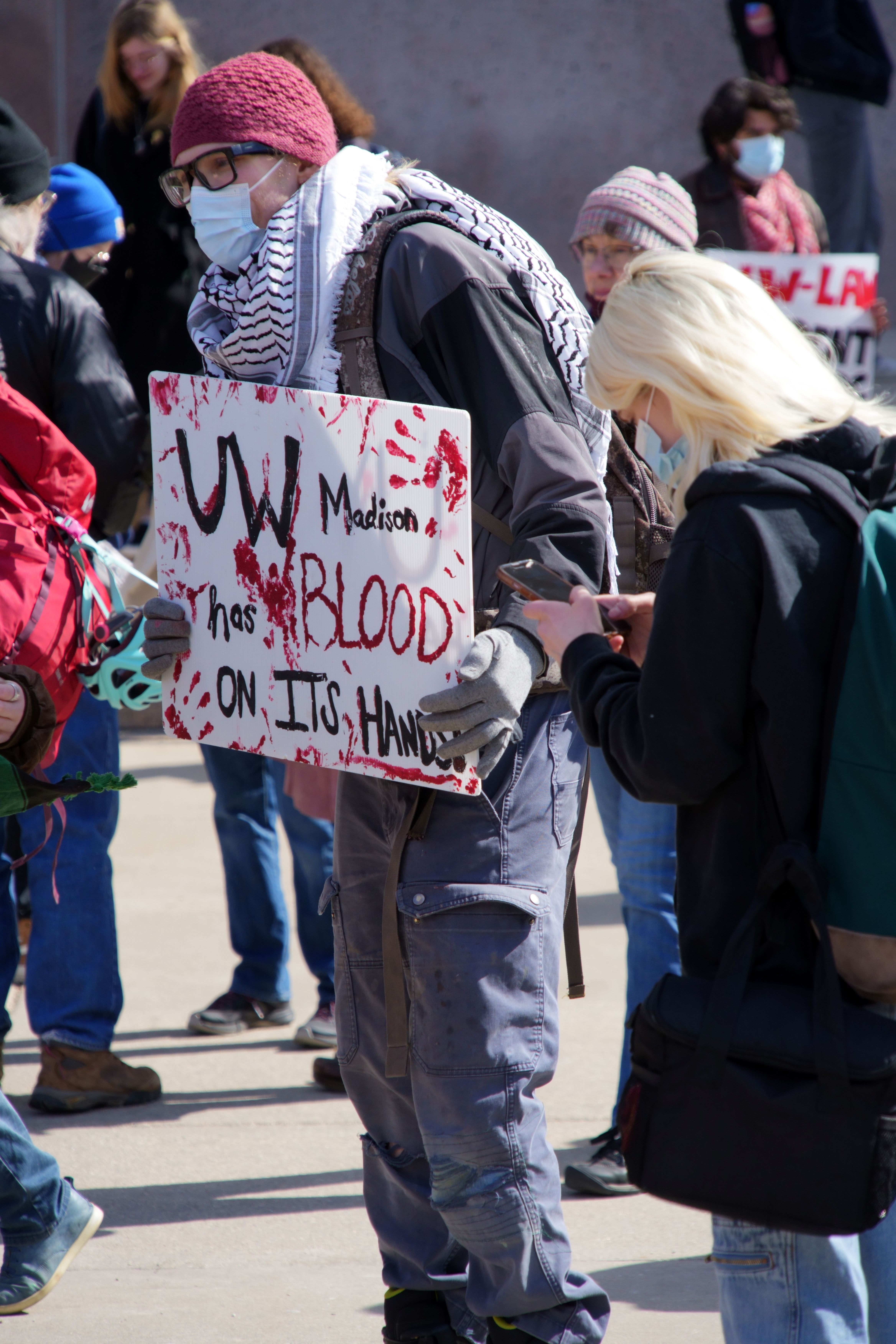
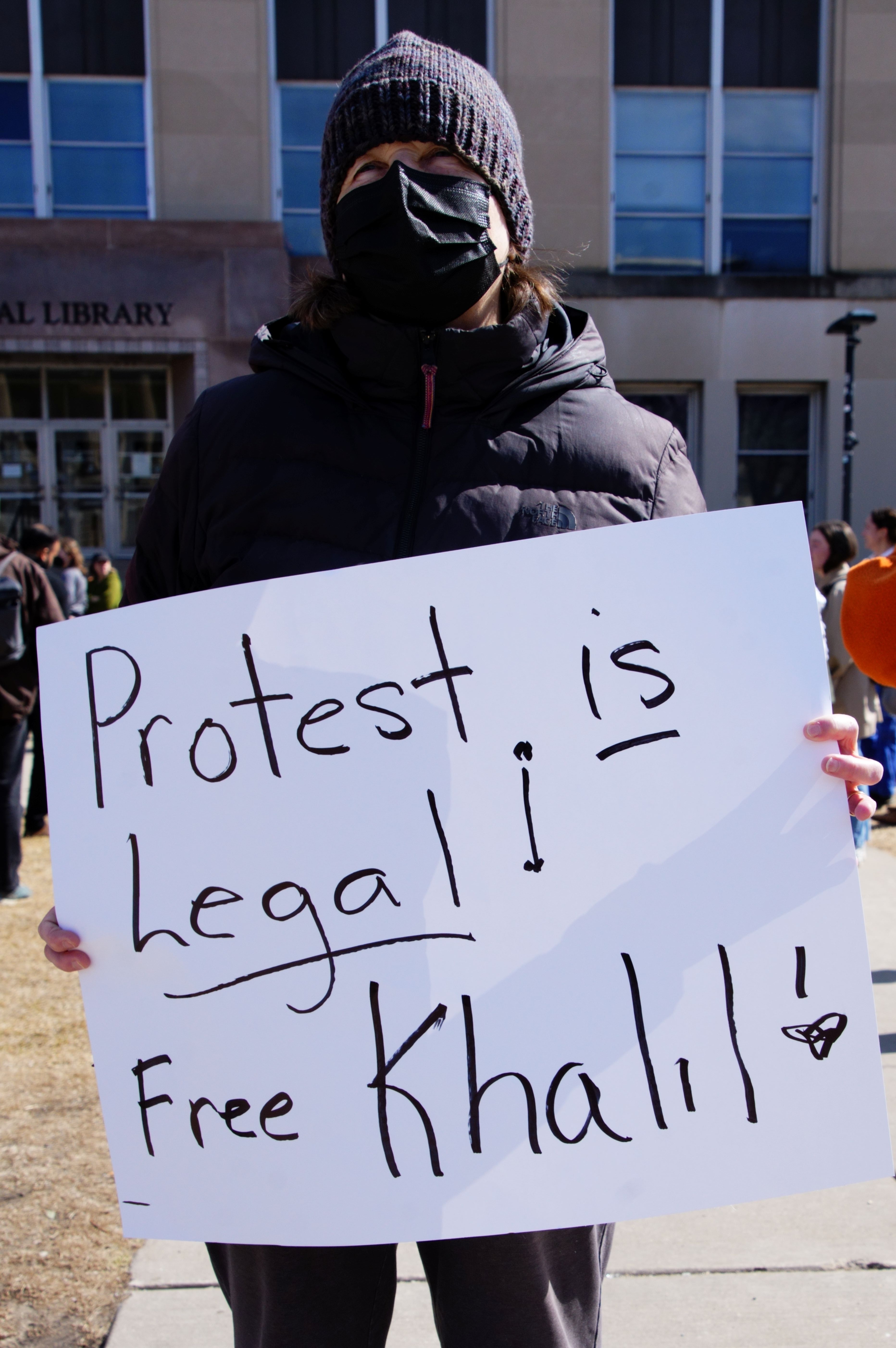


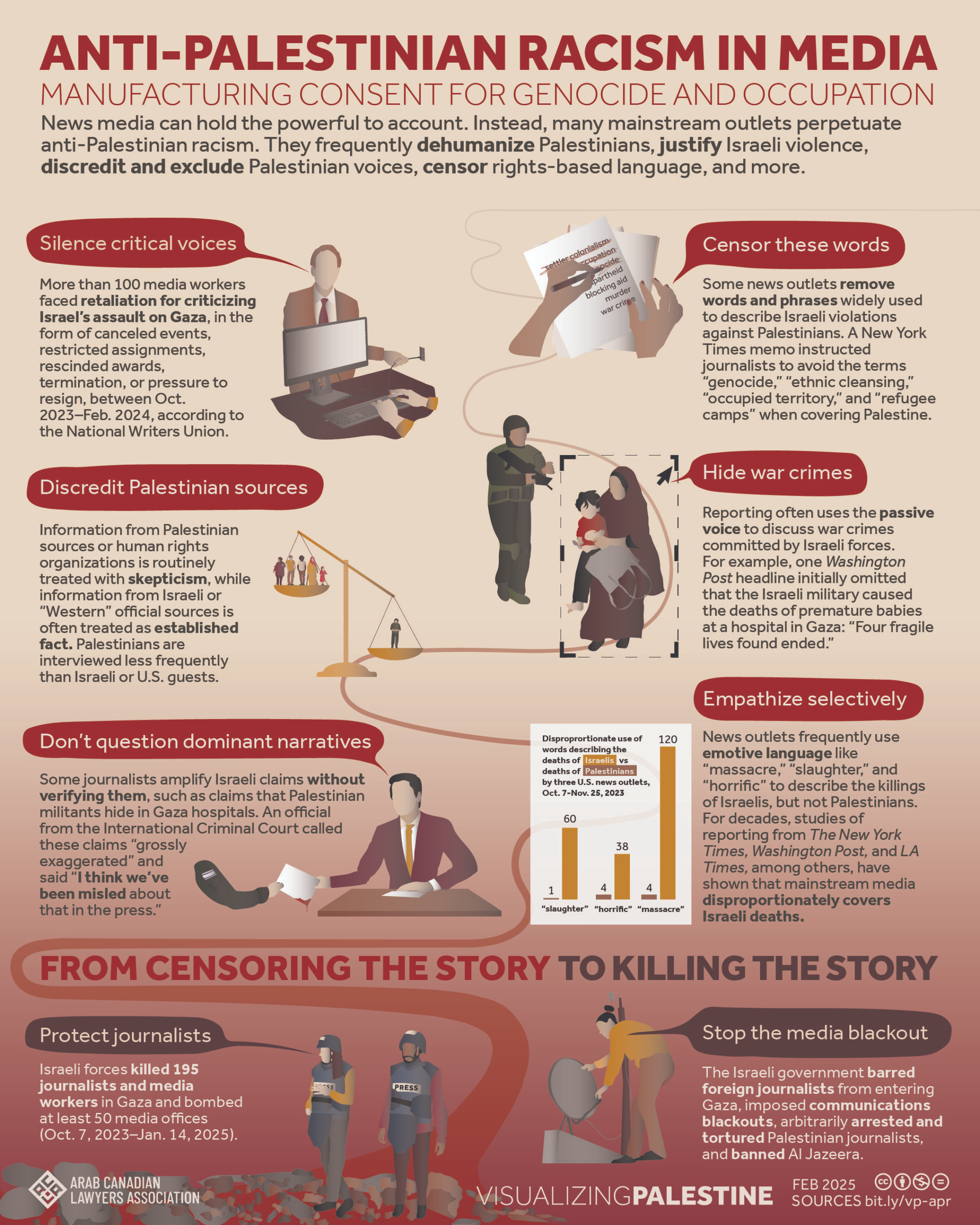
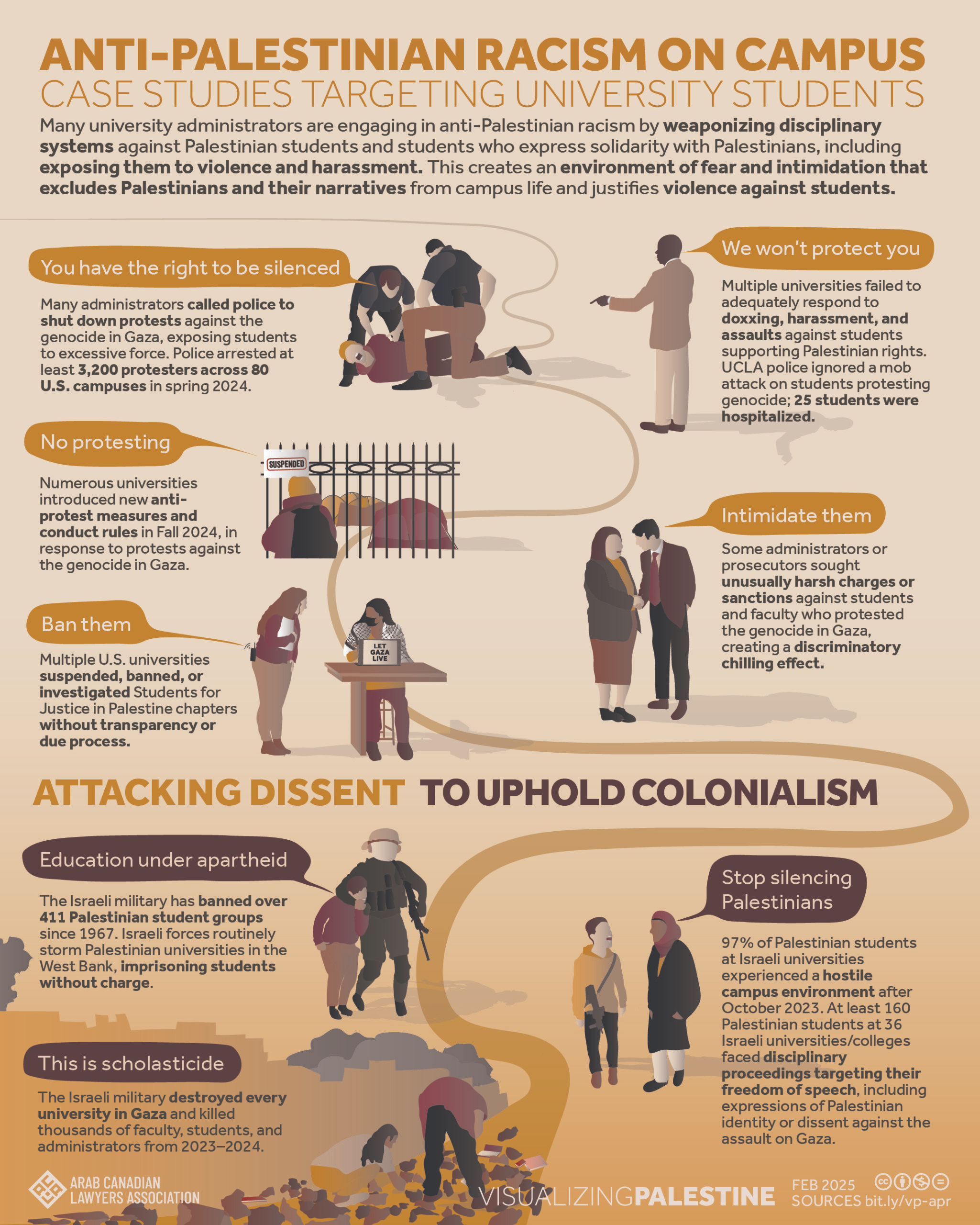

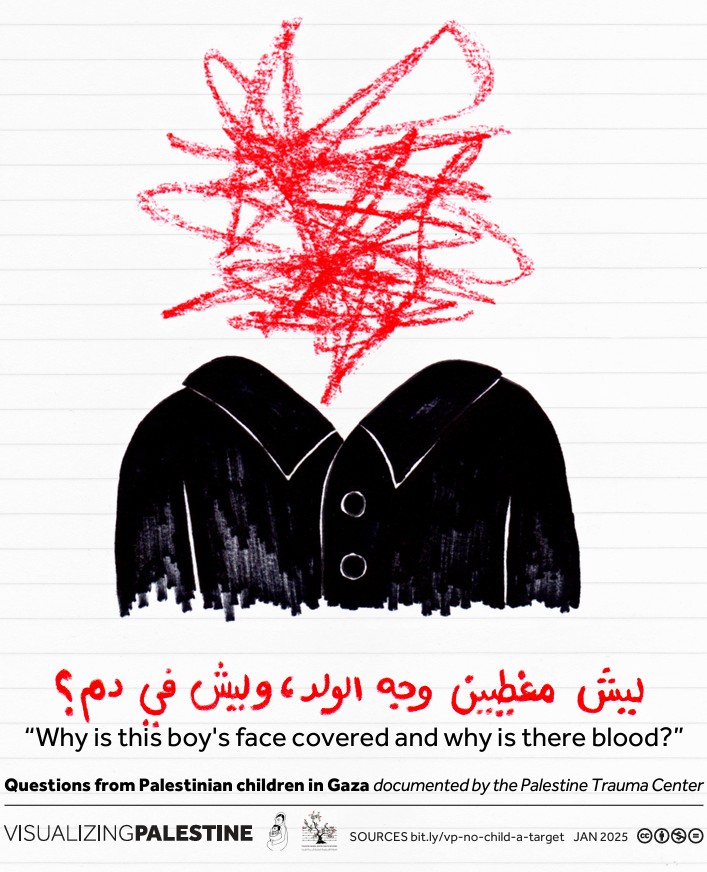


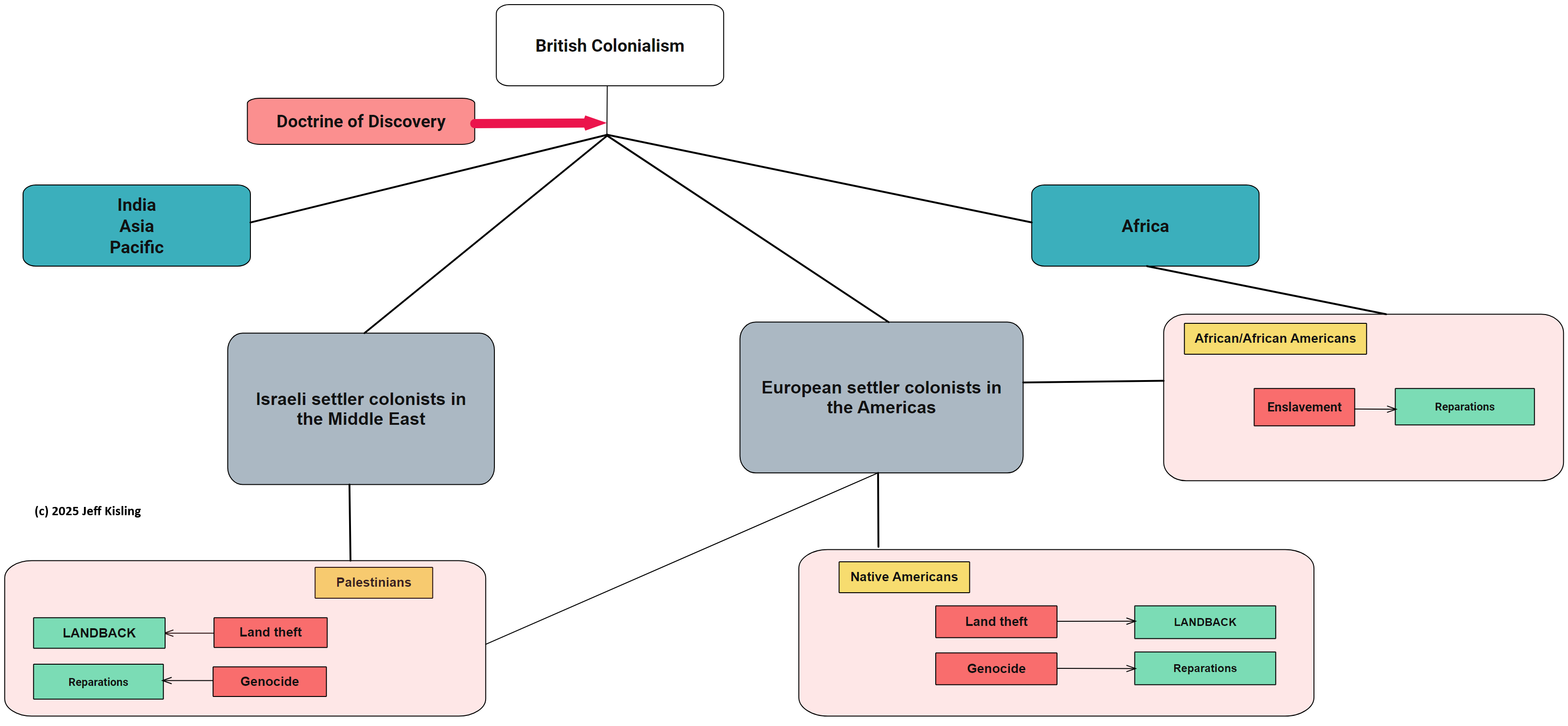
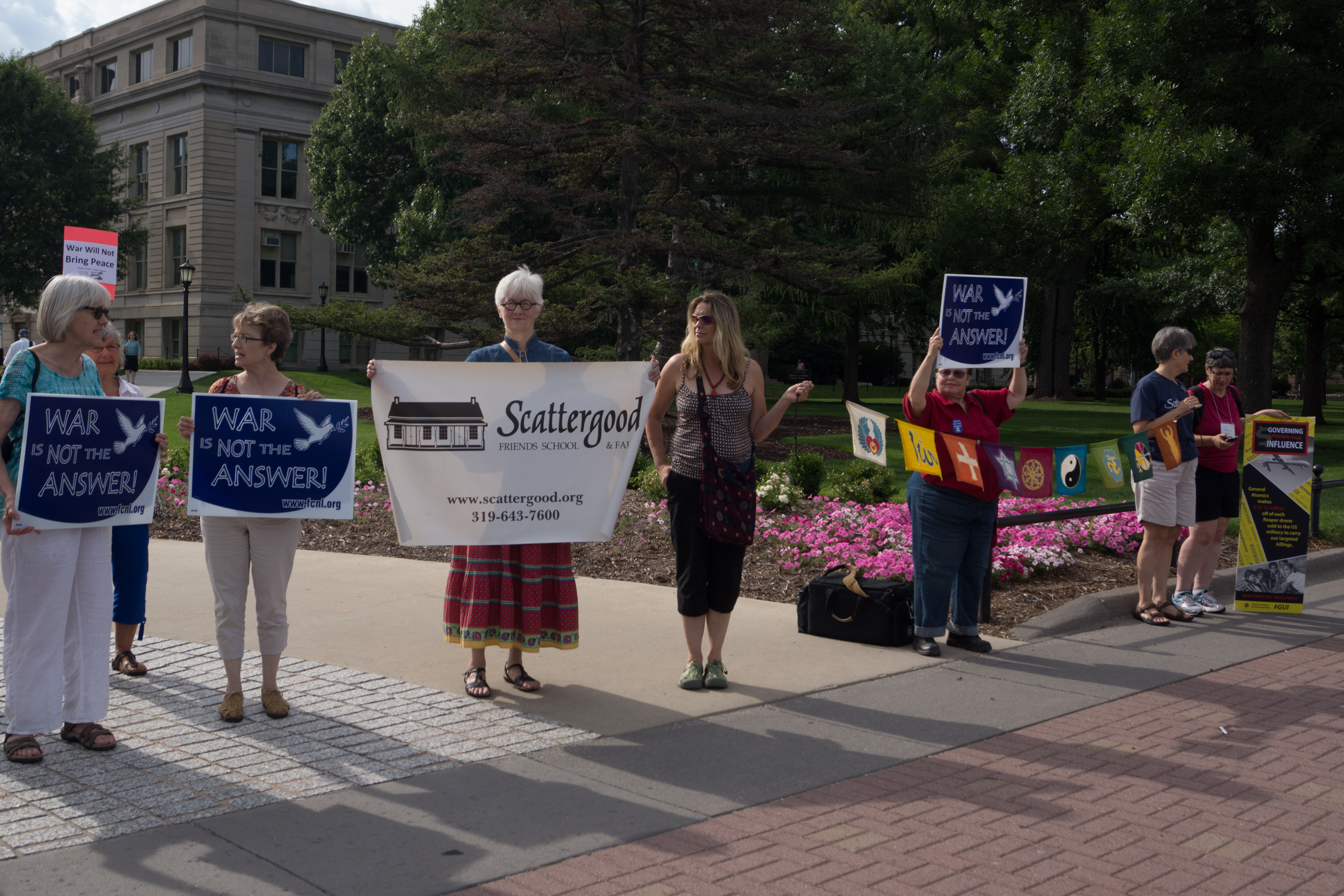

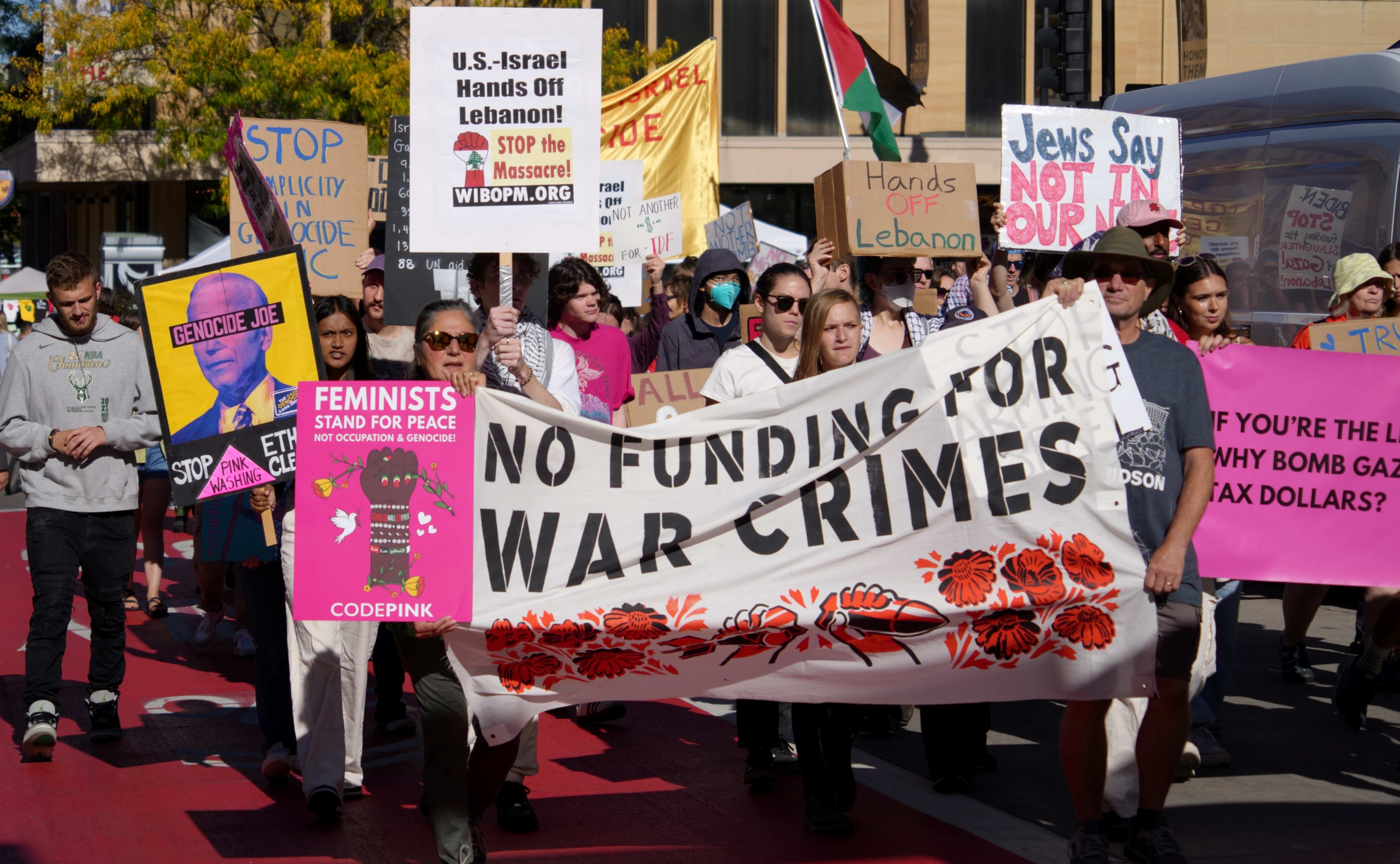

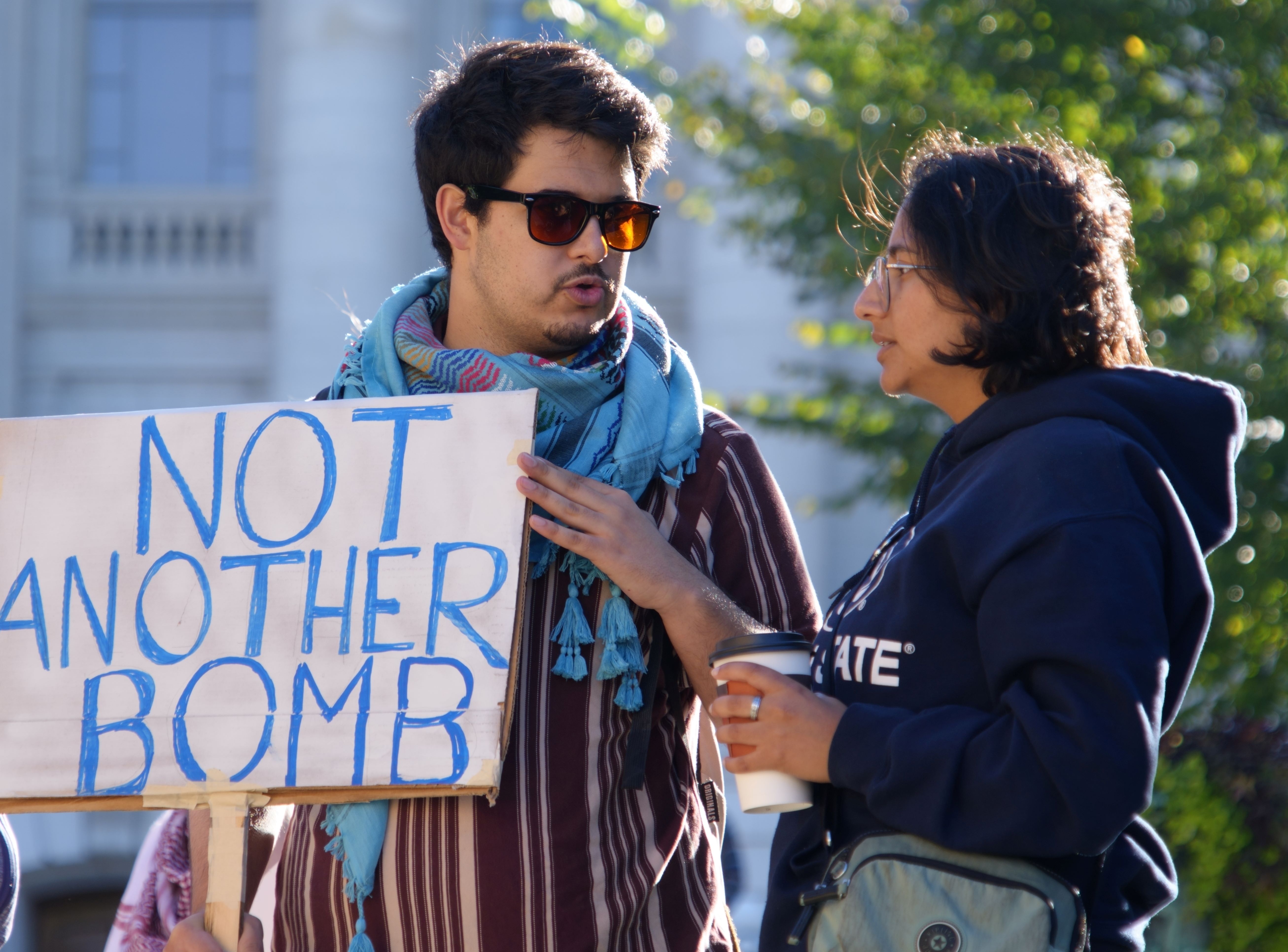
Photo credit: Jeff Kisling
 unflinching