







Quaker Meeting in Solidarity with the Palestinian People
Expressions of Support and Advocacy
The act of setting up a tent at a Quaker meetinghouse in solidarity with the Palestinian people can convey a multitude of powerful messages. Rooted in the Quaker tradition of peace, justice, and equality, such a gesture serves as a symbol of support and a call to action for the broader community.
Solidarity and Support
One of the primary messages is one of solidarity. By setting up a tent, participants are physically and symbolically aligning themselves with the Palestinian people. This act demonstrates a shared commitment to their struggles and aspirations, signaling that they are not alone in their plight. It is an expression of empathy and a public declaration that their suffering and perseverance are acknowledged and supported by others.
Nonviolent Resistance
Quakers have a long history of advocating for nonviolent solutions to conflicts. The tent, as a nonviolent symbol, echoes this tradition. It underscores the belief that peaceful resistance and dialogue are essential in addressing and resolving conflicts. This message is particularly poignant in the context of the Israeli-Palestinian conflict, where violence has often overshadowed efforts for peace. The tent stands as a testament to the power of nonviolence and an appeal for both sides to seek peaceful pathways to coexistence.
Human Rights and Justice
Another key message is the emphasis on human rights and justice. Setting up a tent can draw attention to the human rights violations and injustices faced by Palestinians. It serves as a reminder of the importance of upholding international human rights standards and advocating for justice for all people, regardless of their nationality or ethnicity. This message aligns with the Quaker testimony of equality, which asserts that all people are of equal worth and deserving of fair treatment.
Raising Awareness
The act of setting up a tent can be a powerful tool for raising awareness. It can attract the attention of passersby, media, and the broader community, sparking conversations and increasing understanding about the Palestinian situation. Informational materials, discussions, and events held at the site can further educate and engage the public, fostering a more informed and compassionate community.
Community and Collaboration
Setting up a tent at a Quaker meetinghouse also conveys a message of community and collaboration. It reflects the Quaker value of community and the belief that collective action can bring about positive change. This action can serve as an invitation for others to join in solidarity and cooperation, promoting a sense of unity and shared purpose in the pursuit of justice and peace.
Hope and Resilience
The tent itself can be seen as a symbol of hope and resilience. Despite the challenges and adversities faced by the Palestinian people, the tent stands as a beacon of hope for a better future. It signifies the enduring human spirit and the belief that change is possible. This message of hope is crucial, as it inspires continued efforts and perseverance in the pursuit of peace and justice.
Interfaith and Cross-Cultural Solidarity
Given the diverse religious and cultural backgrounds of both the Quaker community and the Palestinian people, the tent can also symbolize interfaith and cross-cultural solidarity. It highlights the importance of building bridges across different faiths and cultures, fostering mutual respect and understanding. This message promotes a vision of a world where diverse communities can come together in support of common goals and values.
Highlighting Specific Issues
Setting up a tent can also draw attention to specific issues faced by the Palestinian people, such as displacement, restrictions on movement, and access to resources. By focusing on these issues, the action can bring them to the forefront of public consciousness and encourage discussions and actions aimed at addressing them.
Advocacy for Policy Change
Finally, the act of setting up a tent can serve as a form of advocacy for policy change. It can signal a call to action for governments, organizations, and individuals to take concrete steps towards supporting the Palestinian people and addressing the root causes of the conflict. This message can include advocating for diplomatic solutions, humanitarian aid, and policies that promote peace and justice.
In conclusion, setting up a tent at a Quaker meetinghouse in solidarity with the Palestinian people is a multifaceted gesture that conveys profound messages of support, nonviolence, human rights, awareness, community, hope, interfaith solidarity, specific issues, and advocacy for policy change. It is a powerful expression of the Quaker commitment to peace and justice, and a call to the broader community to join in these efforts.
Jeff Kisling
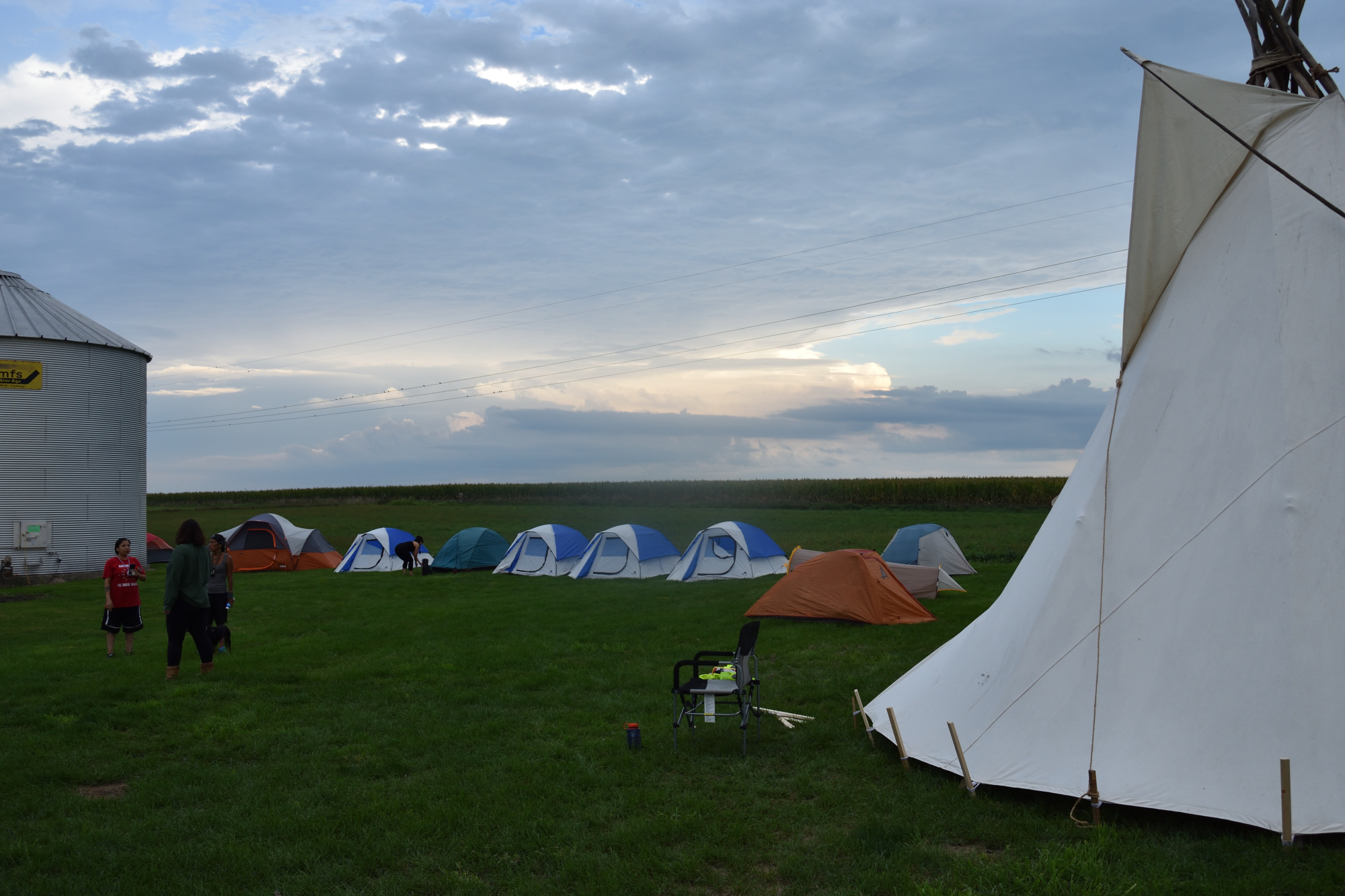

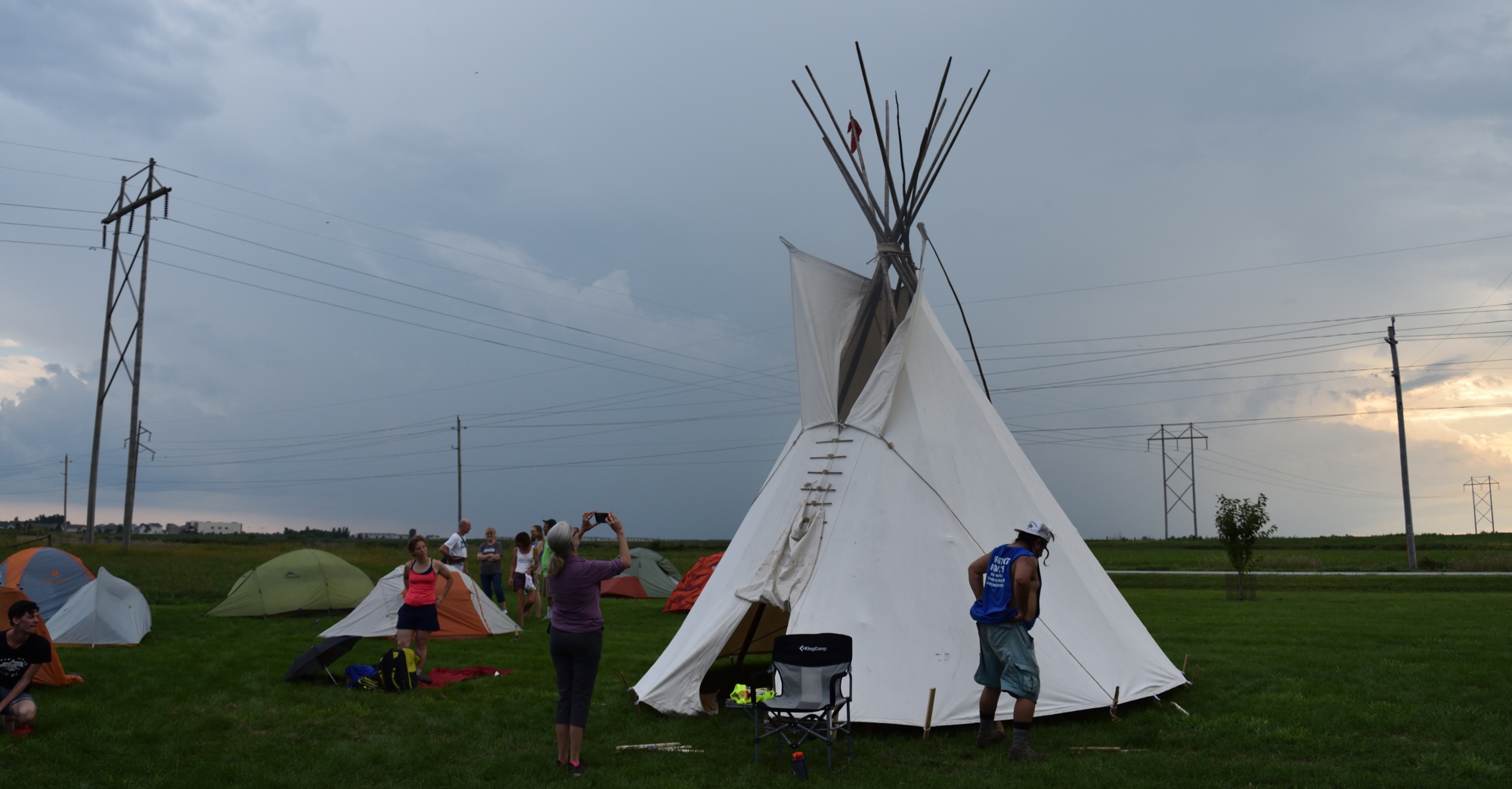

Tents on the First Nation-Farmer Climate Unity March, 2018 https://firstnationfarmer.com/ Photo credit: Jeff Kisling

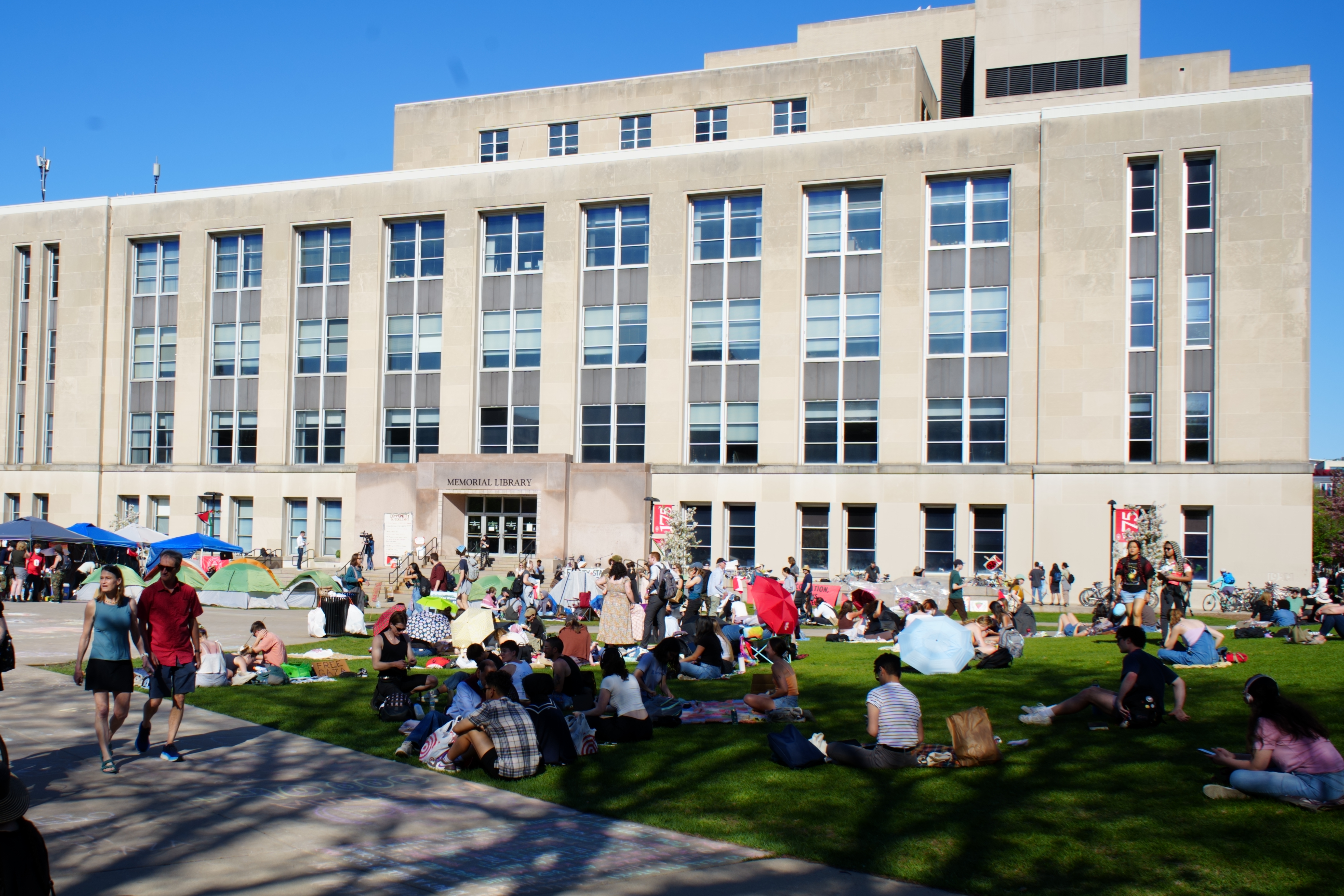
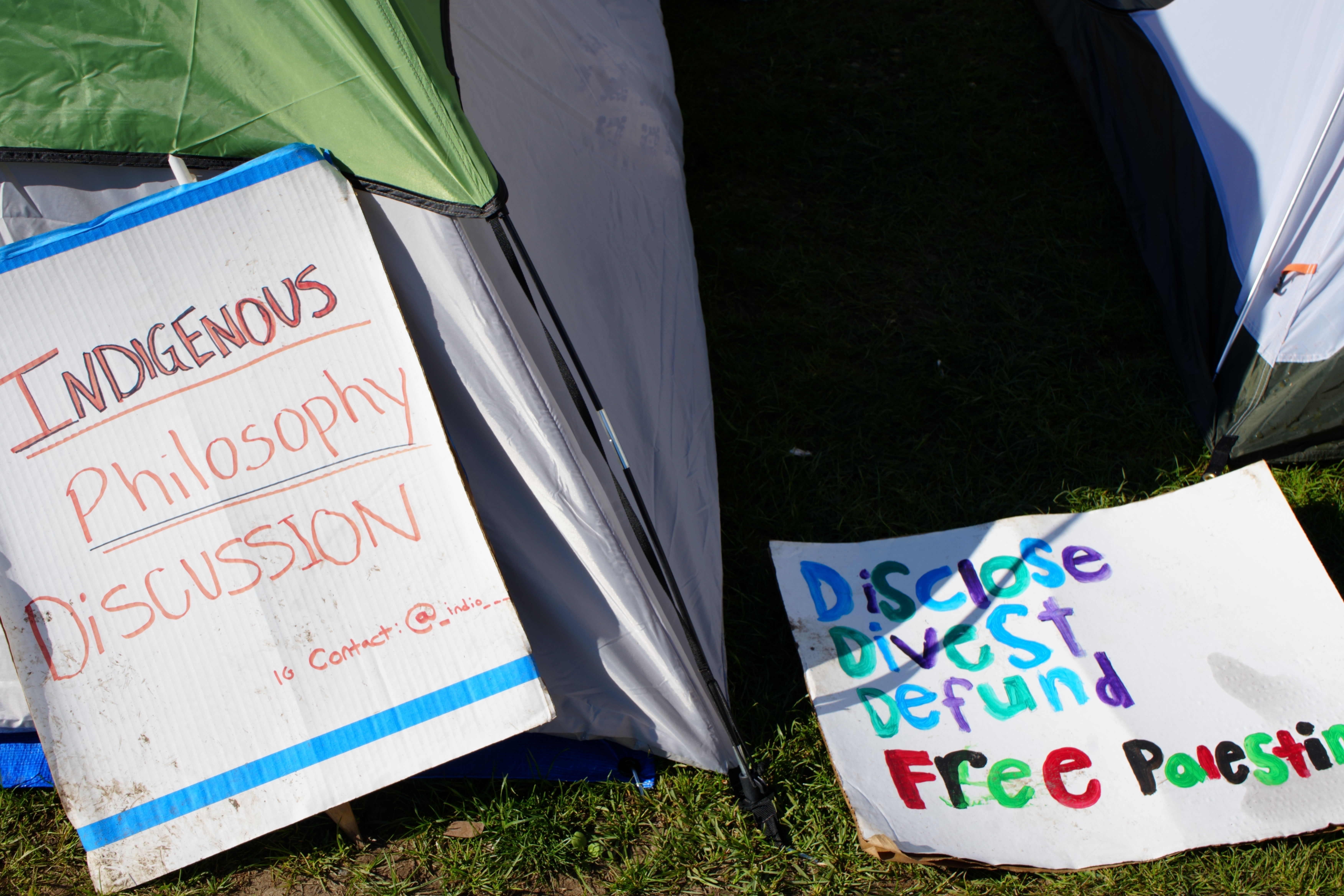


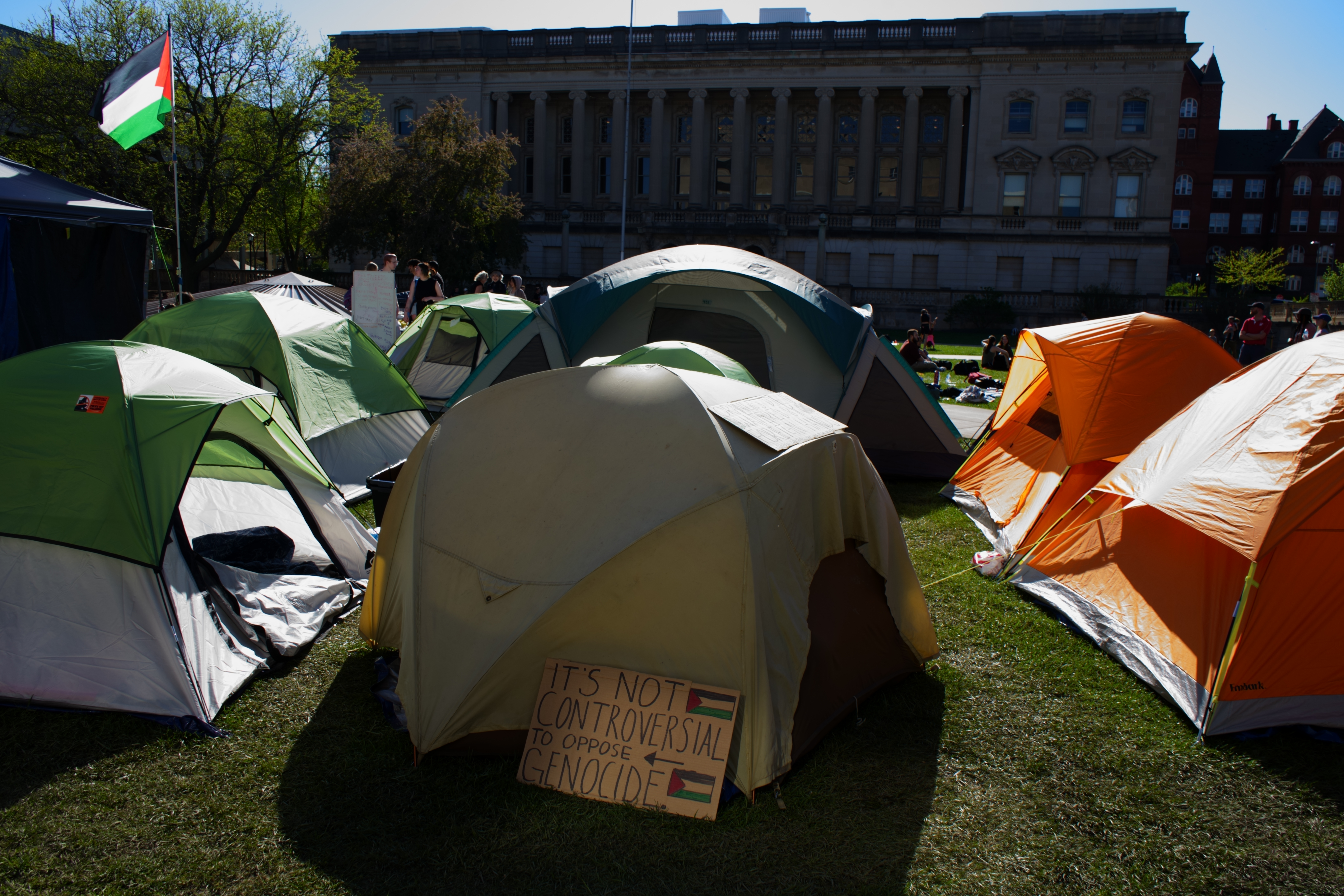
Student Palestinian solidarity tent encampment, U of Wisconsin, Madison, 2024 Photo credit: Jeff Kisling
Tent Massacre
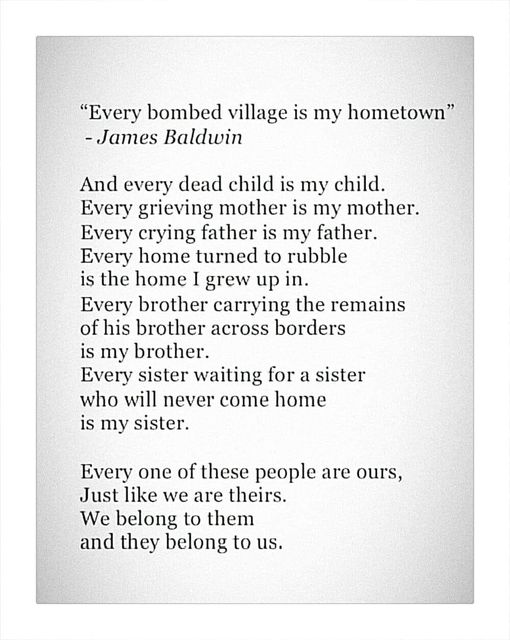


 unflinching