The original UN Charter states that relations between nations are meant to be based in part on the “self-determination of peoples,” and by 1960 the UN was declaring that colonialism was “a denial of fundamental human rights.”
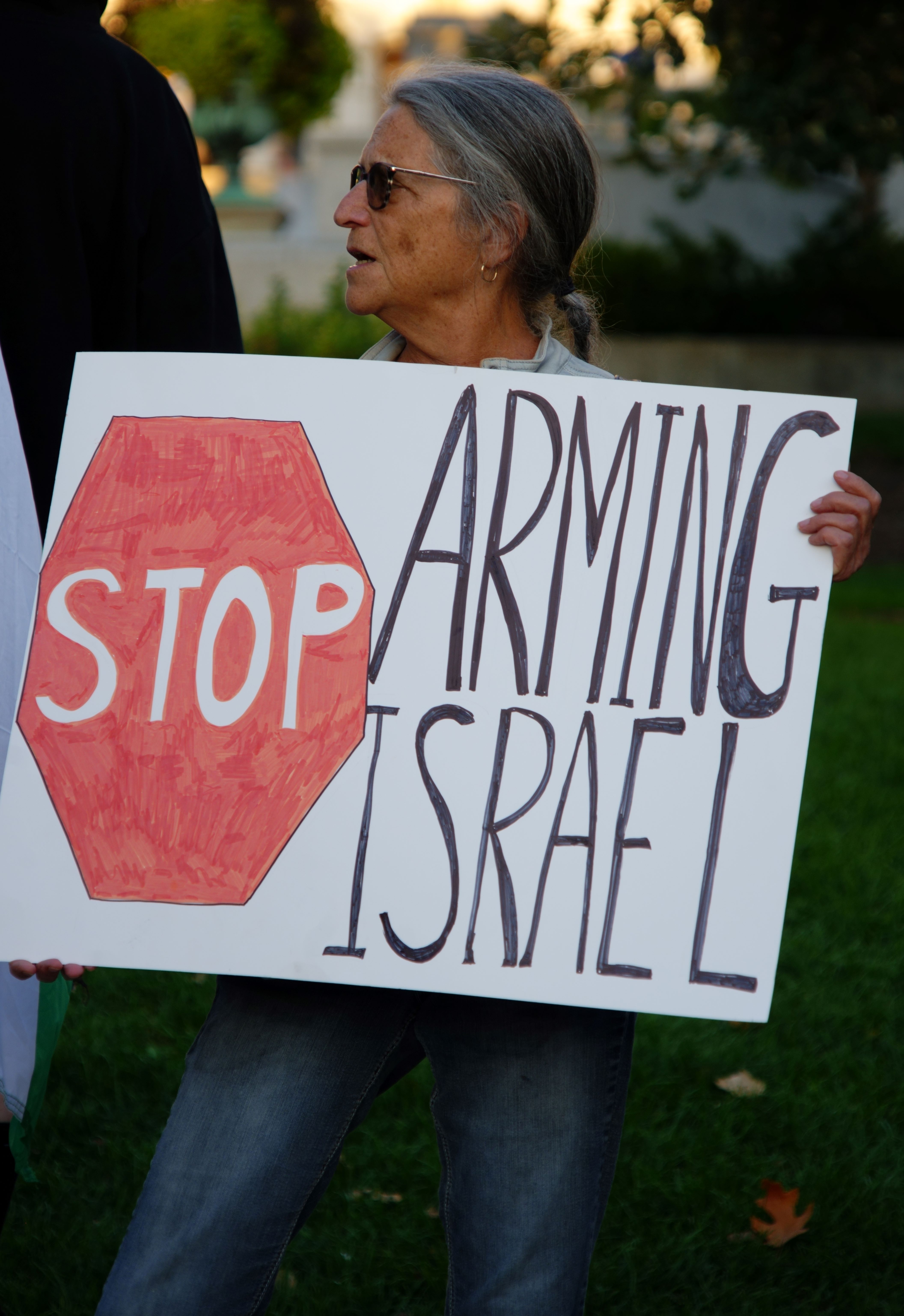
One of the goals of the Israeli flattening all of the buildings in Gaza was to make it nearly impossible for Palestinians to return home and to not be able to put together a functioning “state”. Israel has continued this devastation of homes in the West Bank, Lebanon and Syria.
And now there are the bizarre comments by the Trump administration about the United States taking control in Gaza. When has there been a clearer example of colonialism, or in this case, recolonialism?
These questions are at the core of the second phase of the ceasefire agreement. The first phase ended today.
Trump’s idea is reminiscent of the century-old colonial mindset shared by the British and the Political Zionist movement; both groups saw Palestine through the lens of their ambitions and viewed the indigenous Arabs of Palestine as mere pawns to be moved about without consideration for their needs or aspirations.
…
Because what Palestinians want matters, especially after the nightmare they’ve endured, in the second half of last year, my polling firm, Zogby Research Services, conducted two separate polls of Palestinian opinion across the West Bank and Gaza. Our findings were quite revealing.
But most importantly, 92 percent of Palestinians in Gaza told us that they want to remain in Gaza and go back to where their homes had been. They are Palestinians and want to stay on the land of Palestine. The last thing they want—after 18 months of constant displacement and uncertainty—is to be shunted off into exile, presumably by force, and abandoned to a murky fate in a largely unknown country.
This stands in marked contrast to the views advanced by the Americans and Israelis. Of course, these Palestinian views must be developed further, but heeding them is the better path to take precisely because it recognizes that instead of continuing to impose “solutions” on Palestinians, the place to begin is to ask them what they want, listen to what they say, and then work with them to make their aspirations a reality.
Palestinians should be permitted to decide their own futures. Part of the reason that we have arrived at such a bloody crossroads is because over the decades, the great powers have disposed of the Palestinians however they wished, without consideration for their views.
The message to President Trump should be clear: Palestinians will not accept being forced to leave the land of Palestine, and any attempt to conduct a mass displacement would likely descend into yet another horrific spiral of violence and death. If President Trump wants to be remembered for a really “out of the box” idea, he should listen to those whose lives hang on his decisions—the war-battered 2 million Palestinians of Gaza.
Mr. Trump: It’s Time to Listen to What Palestinians Want by James Zogby, The Nation, 2/27/2025
Recolonization is used to warn that certain policies could replicate the injustices of the colonial past.
Recolonization
But I think a better way to think of it (recolonization) is as a negation of one of the great forces of geopolitics in the latter half of the 20th century: decolonization, the fundamental idea that peoples everywhere should have the right to self-determination and self-government.
The push for decolonization has been mostly very successful: When the United Nations was established in 1945, it had 51 member nations, many of whom governed vast colonial areas in Africa and Asia.
Today the UN has 193 member states — the latest being South Sudan, which joined in 2011 — as well as a number of other territories that aren’t full members (including, notably, the State of Palestine). In many ways the story of the last 70 years is the story of decolonization, as independence movements across the world fought for liberty and self-determination, and colonial nations withdrew — sometimes voluntarily, and sometimes with a great deal of blood.
Trump is calling for that progress not just to be rejected, but to be thrown in reverse. Call it a kind of recolonization — if not literally, then in spirit.
What makes the push for recolonization so striking is that, with some large exceptions and with a great deal of foot-dragging, major powers ultimately recognized that colonialism was fundamentally wrong. The original UN Charter states that relations between nations are meant to be based in part on the “self-determination of peoples,” and by 1960 the UN was declaring that colonialism was “a denial of fundamental human rights.”
What’s behind Trump’s colonial dreams? What Trump wants in Gaza and elsewhere is recolonization by Bryan Walsh, VOX, Feb 6, 2025
Colonialism
Historical and Theoretical Roots:
Traditionally, colonialism involved a foreign power establishing control over a territory and its people. In recent decades, the international community has largely moved toward decolonization, recognizing the right of peoples to self-determination. When critics speak of “recolonization” in relation to Gaza, they mean a reversal of that progress—a return to policies that echo colonial practices by:
- Imposing external control: Reasserting dominance over Gaza through unilateral policies.
- Displacing the indigenous population: Creating conditions (for example, by establishing new settlements) that would force or encourage Palestinians to leave their homes.
- Restructuring society: Remaking the territory’s demographic and political landscape to mirror historical patterns of settler colonialism.
Contemporary Usage:
In debates about Gaza today, “recolonization” is often a pejorative label. It is used by scholars, human rights activists, and many in the international community to warn that certain policies could replicate the injustices of the colonial past.
Identifying and naming the intent of recolonisation
The most important aspect here is to recognise whether you are engaging / being engaged by a colonial entity or not, despite the colour of their skin, the nation or culture within which they grew up, their specific lived experience, or the words or concepts they quote or advertise.
Non-white does not equate to decolonial.
🅒🅗🅔🅒🅚🅢
What are they actually doing, and how does that advance actual decolonisation? (Hint: keyword is “actual”.)
How does their work or their proposal contribute towards decolonial justice (reparations, landback, etc.) and indigenous cultural sovereignty?
Does their initiative simply make a colonial world order more comfortable for the colonised?
If no one can answer these question satisfactorily, then it is highly likely that the initiative is rooted in coloniality.
How to say no to recolonisation by Samantha Suppiah, POSSIBLE FUTURES, Nov 23, 2024








 unflinching