Rising authoritarianism and its rapid expansion under the new Republican administration have created an atmosphere of fear in the country. Especially in marginalized communities. The flurry of attacks on basic human rights and civil liberties are overwhelming many people today.
There are also increasing risks to anyone who advocates for justice and social change. This has resulted in a substantial chilling effect and decreased participation in justice movements and actions.
This brings to mind the severe persecutions early Quakers were subjected to.
Many Quakers over the centuries have taken the consequences of holding to their principles, even when this meant breaking the law. This taught them a great deal about prison conditions. This experience informed both their faith and their later actions. This is the main source of Quaker experience as prisoners. However, some Quakers have been imprisoned for standard criminal offences, and some offenders have become Quakers during their sentences.
In the early days many broke the law simply by being at worship. The 1664 Conventicle Act forbade religious gatherings for more than 5 people, except for Church of England services. In the twentieth century, many conscientious objectors were imprisoned for refusing to fight, and Quakers have been amongst those imprisoned for green and anti-nuclear campaigns.
It has been estimated that 15000 British Friends were persecuted for their faith in the period from the beginning of the Society in 1652 to the beginning of freedom of worship in 1687-9. This is about 1 in 3 of all Quakers of that time. The statistics are eloquent. In 1658 there were just 119 Quaker prisoners in all of England. In 1660, in just 2 months, 535 Friends from York and Yorkshire were imprisoned. 120 Friends, from one meeting in Gloucester, were arrested on a single day in 1661. Within a year of the 1664 Conventicle Act, a total of 2100 Quakers were arrested from just five London meetings.
Prisoners of Conscience Quakers in the World
It has been estimated that 15000 British Friends were persecuted for their faith in the period from the beginning of the Society in 1652 to the beginning of freedom of worship in 1687-9
Quakers executed in Massachusetts in the 1600s
The Boston martyrs is the name given in Quaker tradition to the three English members of the Society of Friends, Marmaduke Stephenson, William Robinson and Mary Dyer, and to the Barbadian Friend William Leddra, who were condemned to death and executed by public hanging for their religious beliefs under the legislature of the Massachusetts Bay Colony in 1659, 1660 and 1661. Several other Friends lay under sentence of death at Boston in the same period, but had their punishments commuted to that of being whipped out of the colony from town to town.
“The hanging of Mary Dyer on the Boston gallows in 1660 marked the beginning of the end of the Puritan theocracy and New England independence from English rule. In 1661 King Charles II explicitly forbade Massachusetts from executing anyone for professing Quakerism. In 1684 England revoked the Massachusetts charter, sent over a royal governor to enforce English laws in 1686, and in 1689 passed a broad Toleration act.”
Persecution related to the Peace testimony
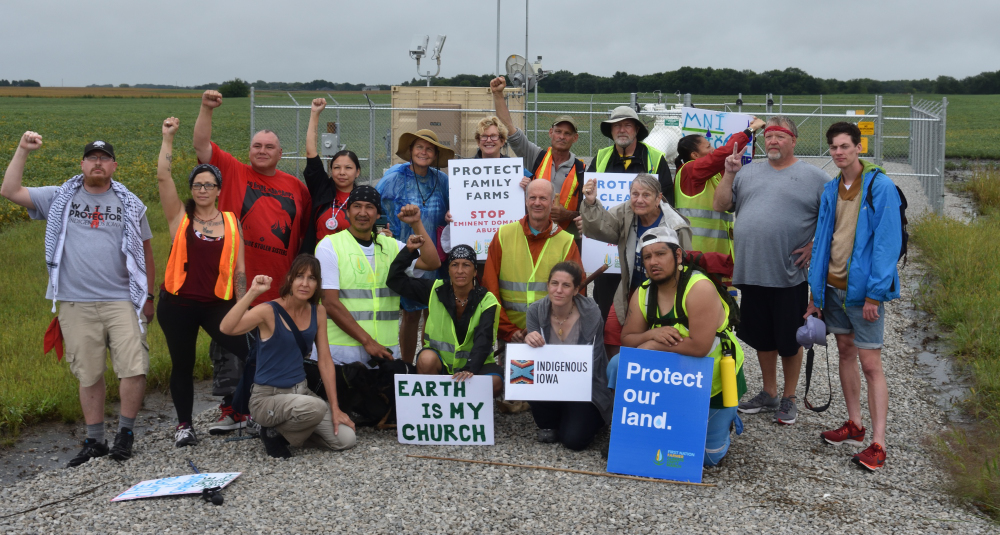
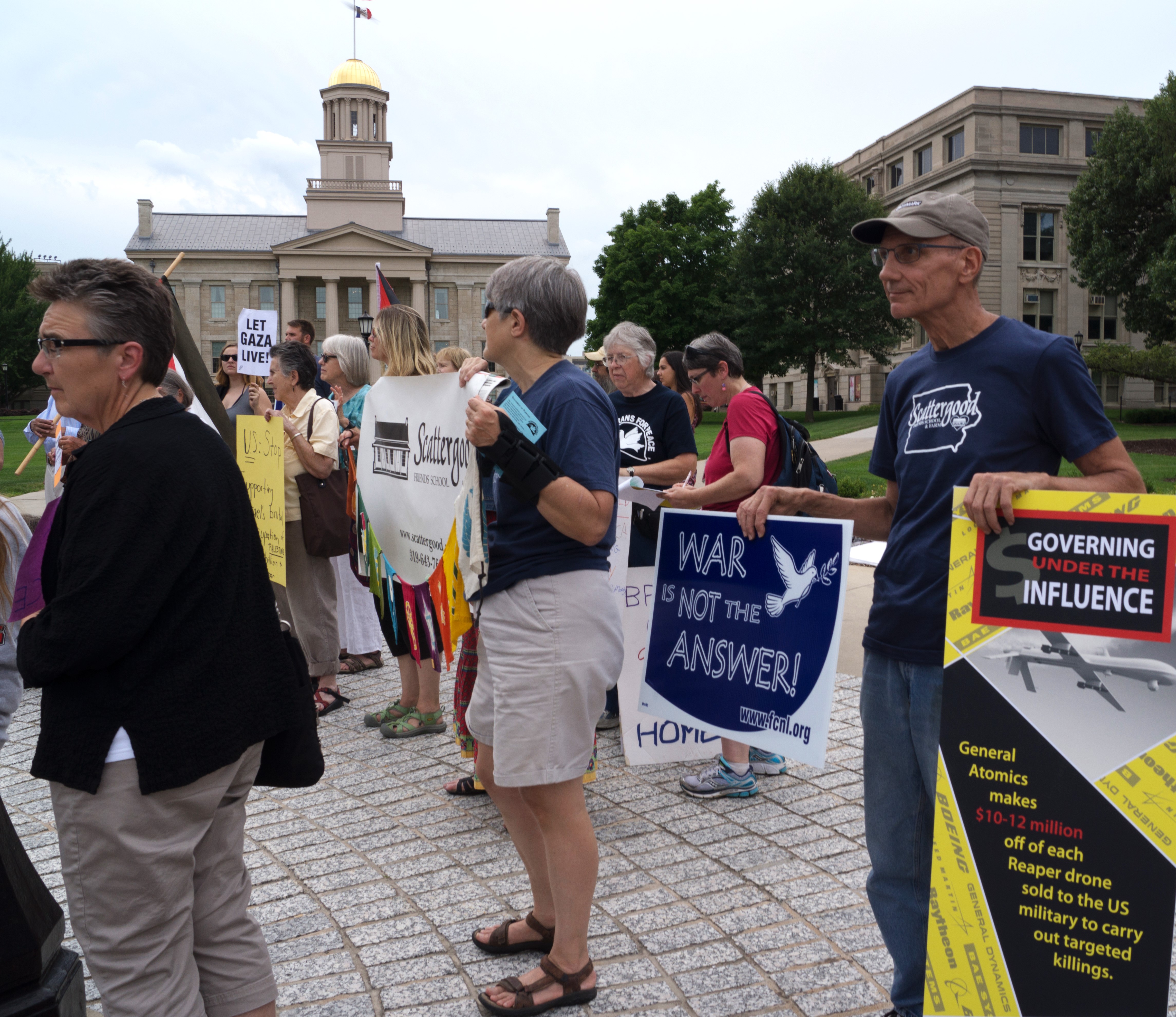
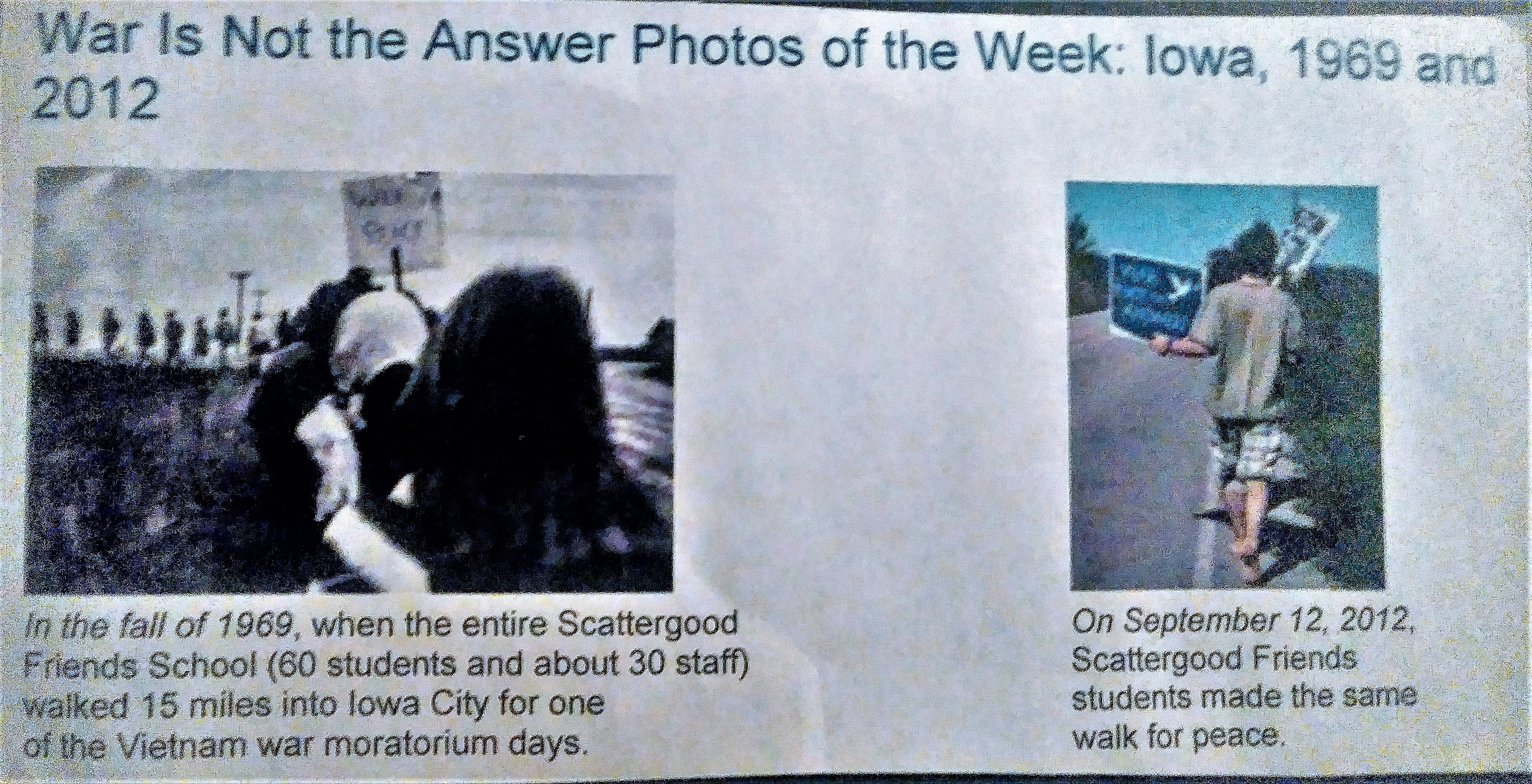
In modern times some Quakers have continued to act according to their beliefs, even in the face of reprisals from the state. This was often related to the Quaker peace testimony, and refusal to participate in this country’s militarism.
Iowa Quaker Don Laughlin collected stories of young Quaker men facing war and conscription. Many of whom were imprisoned for their witness.
Quakers today
At the beginning of the Quaker movement in England in the mid 1600s, all Quakers were subject to persecution, with an estimated 15,000 jailed for their public witness. Early Quakers called themselves the ‘Publishers of Truth’ and spread the faith by publicly preaching and writing despite the likely possibility of being imprisoned.
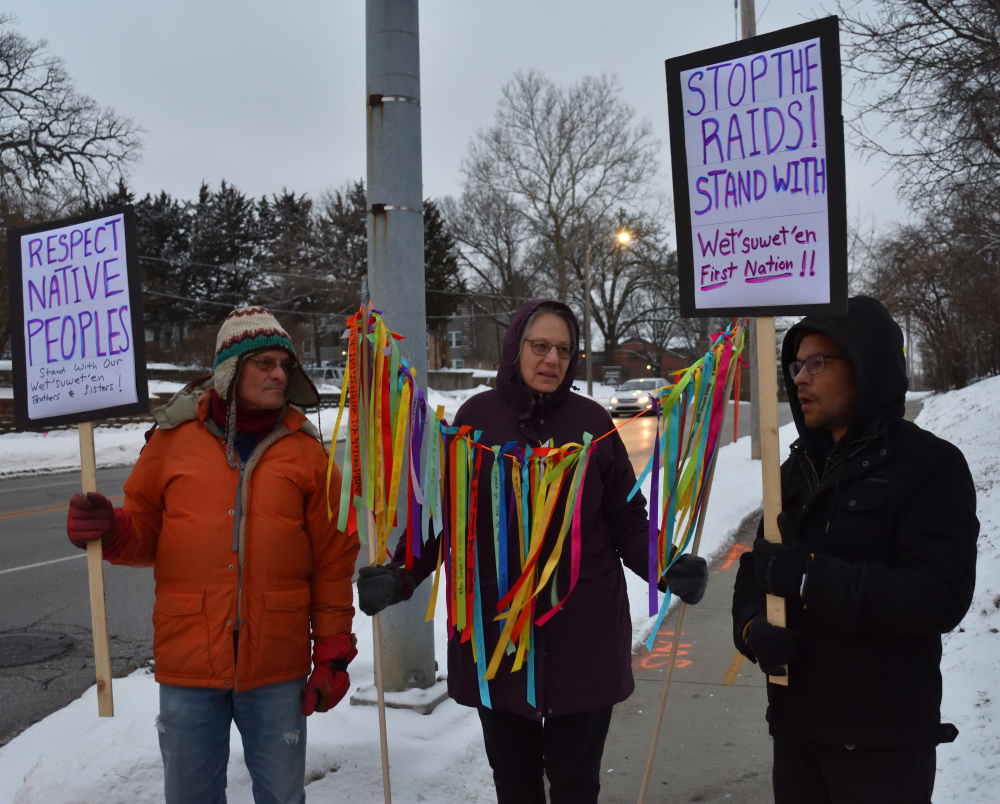
Quakers as a group in this country today don’t experience that type of persecution. But many of us are members of groups that are, and will increasingly be targeted, such as the LGBTQ community, and those who are Black, Indigenous and other people of color.
Many of us are targets because we publicly advocate for justice.
How do we balance doing what we feel we need to do to protect our own safety with what we are called to do to publicly witness for justice? Will we be publishers of the truth today? Are we willing to risk what the Spirit might ask of us?










 unflinching