
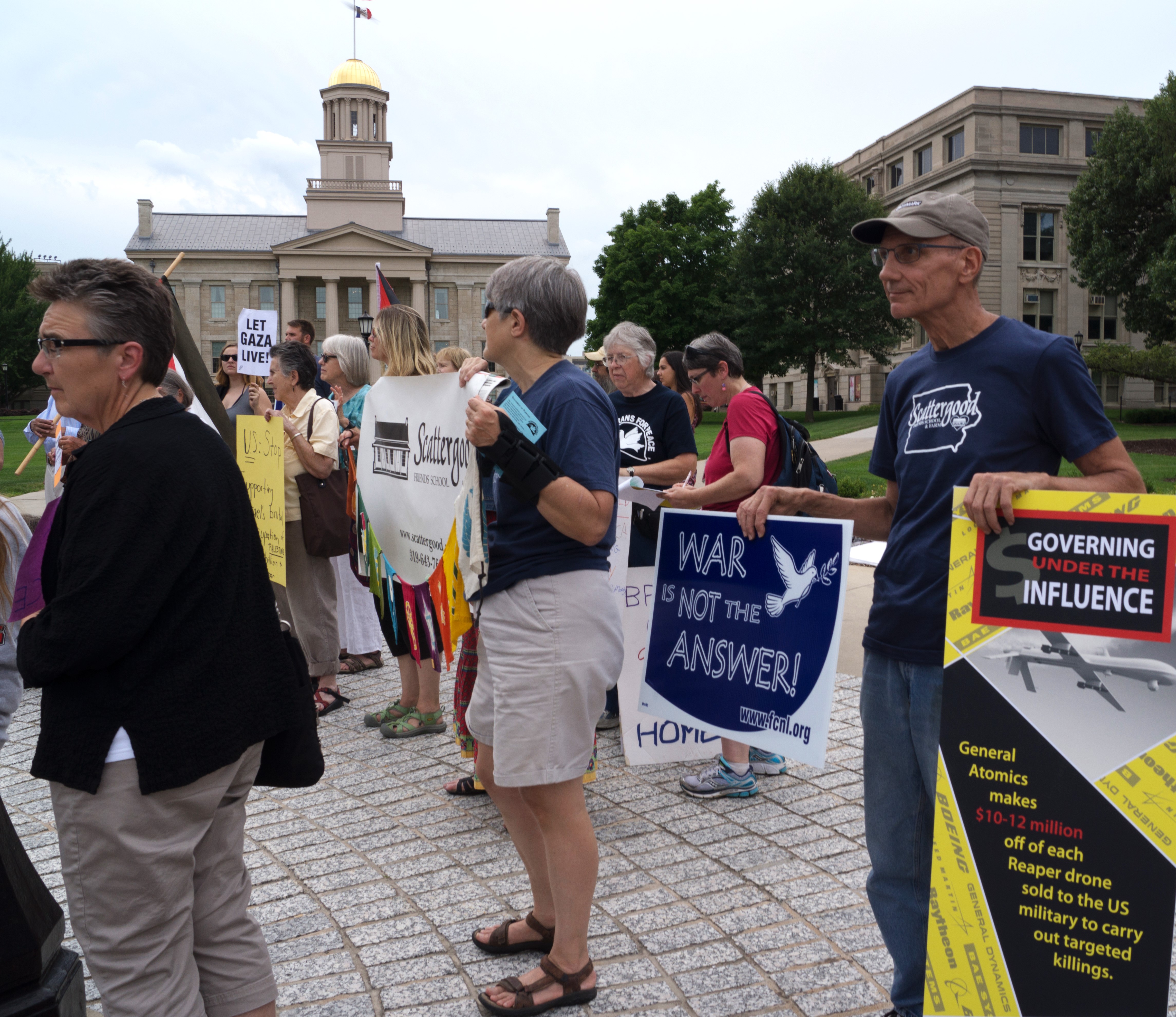
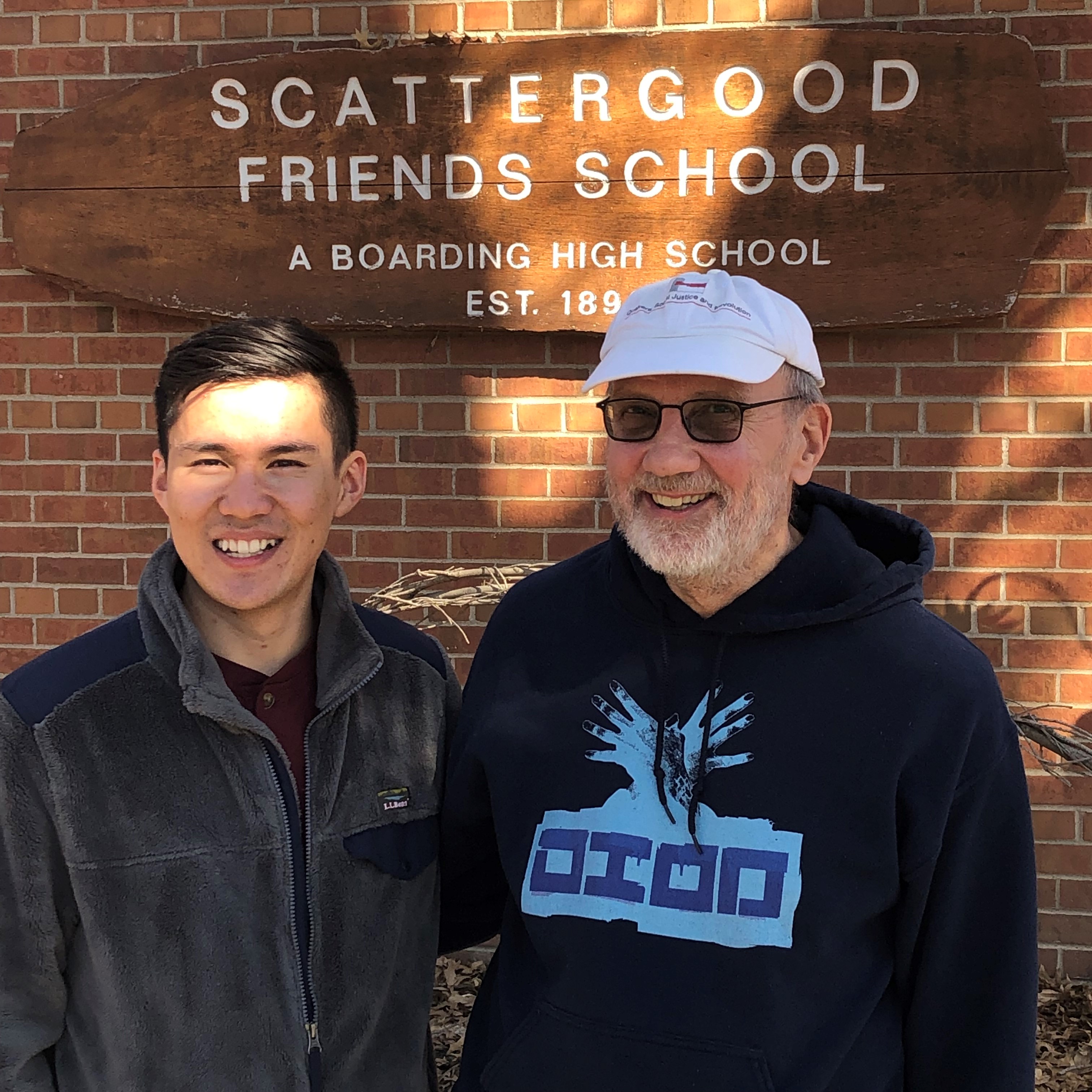
I usually don’t know what the Spirit will guide me to write each morning. For the past couple of days, I’ve been led to think back on the days of the Vietnam war (late 1960s) that was raging at the time I was a student at the Quaker boarding high school, Scattergood Friends School, on a farm in eastern Iowa.
I often despair at the apathy that seems to have become a chronic condition of so many people today. And I think that is the reason is I’ve been reflecting on the difference in public outcry during the Vietnam War, contrasted with the refusal of so many in this country to even acknowledge we are again at war. A more horrible war in many ways if that is even possible.
These days the war is hidden or sanitized for most of the people in this country. That is, you have to dig below the surface by your own efforts to get a look at the truth of what is happening in the Middle East.
We are at war now
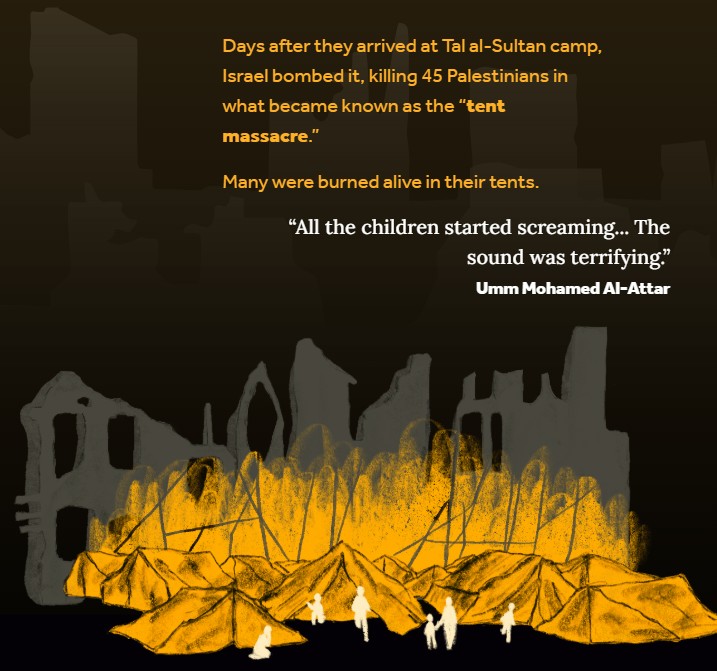
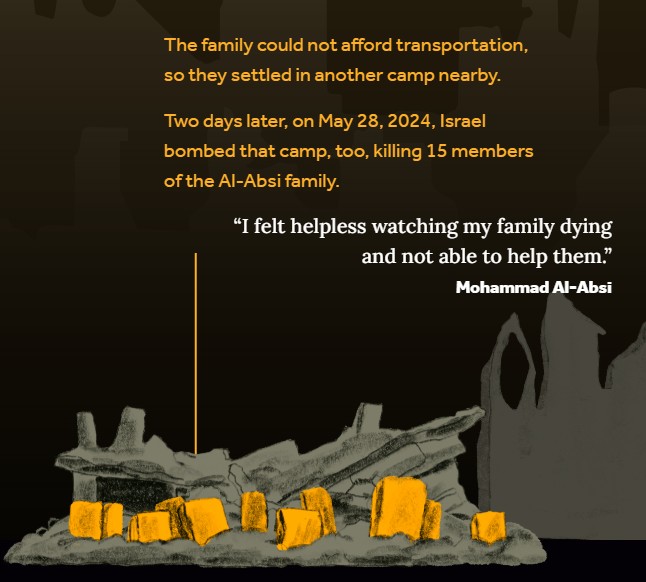
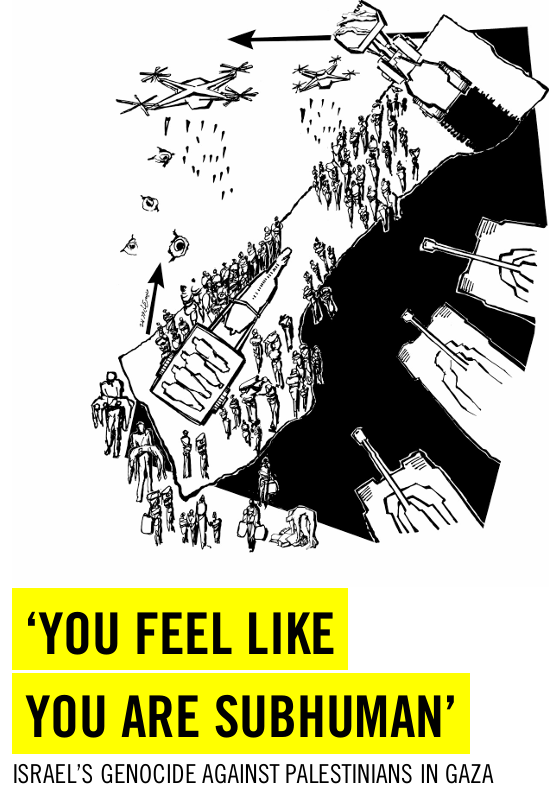
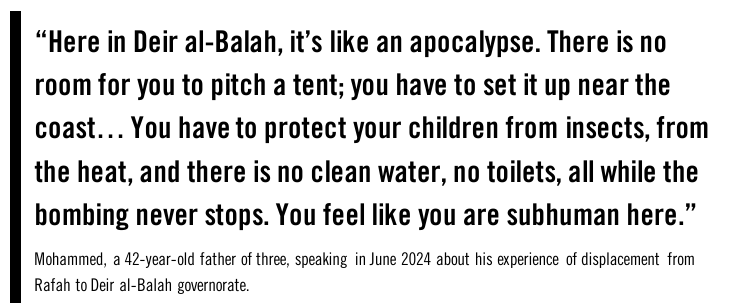
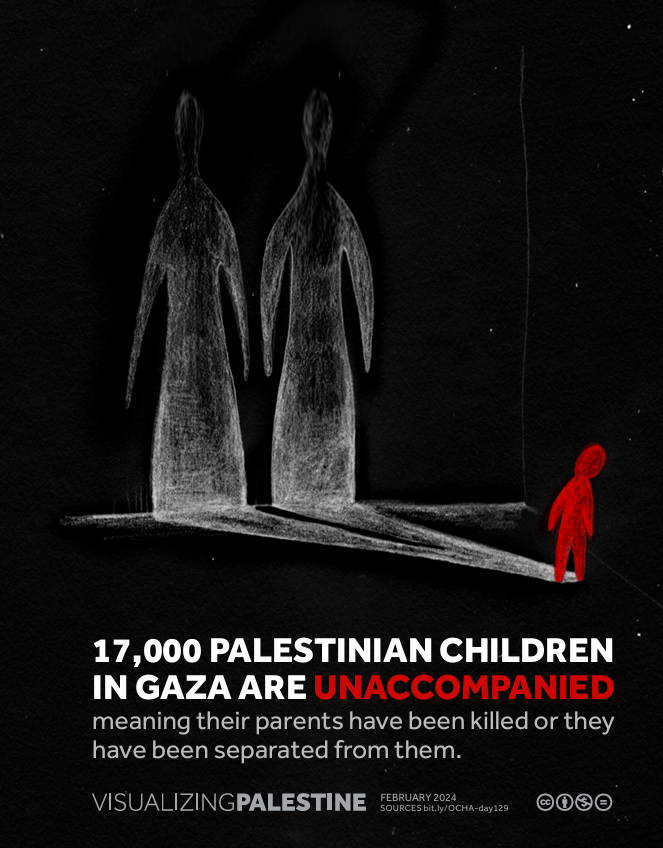
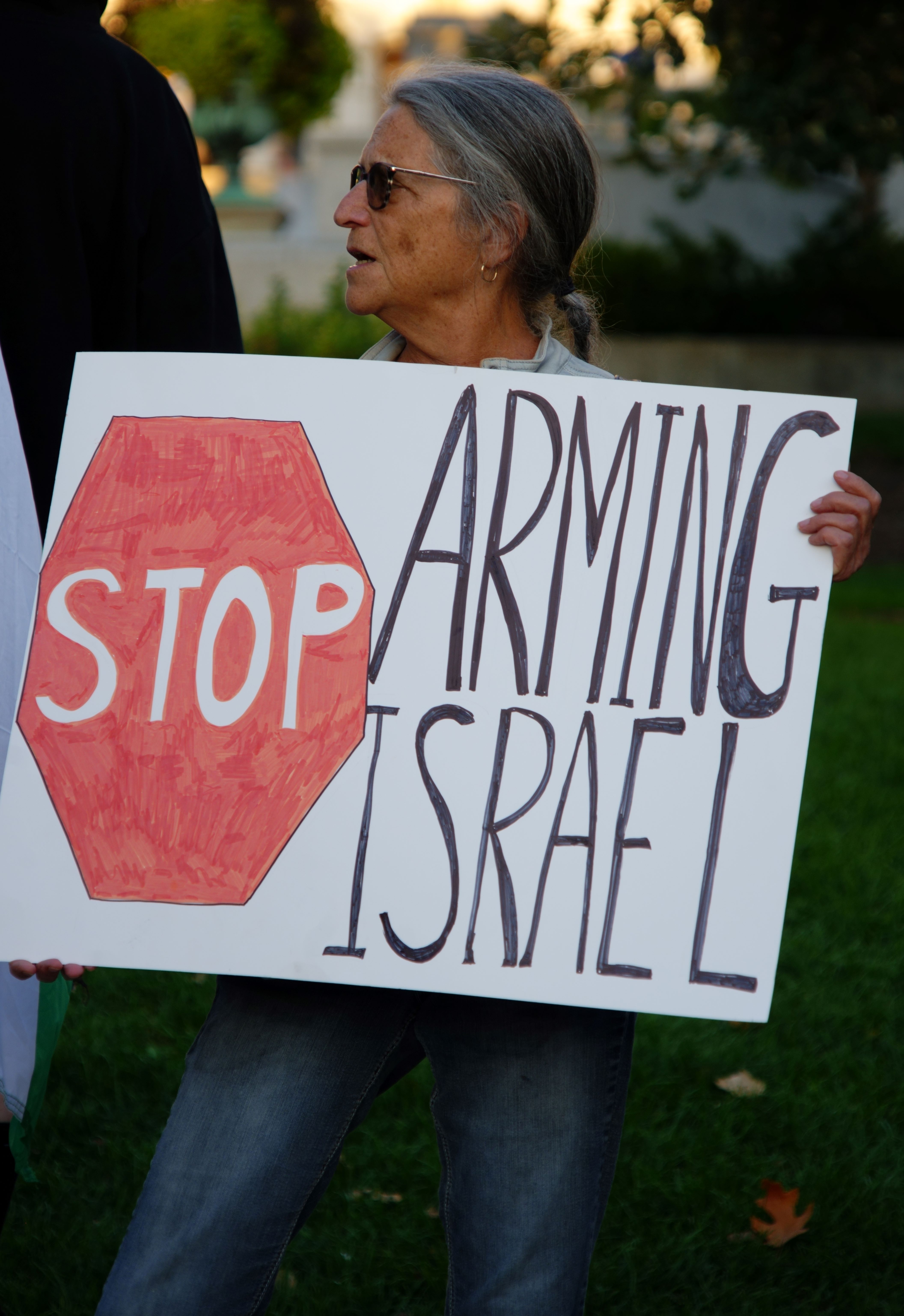
Our money and weapons have been and continue to be sent to Israel to make possible its devastation and genocide against children in Gaza even as we speak.
We are at war now. That we have to state the obvious speaks to how well the military has been able keep the war out of the public discourse.
War in Vietnam
One of my earliest memories was organizing a draft (Selective Service System) conference at Scattergood. This was in 1969 as the Vietnam War was raging, and I was approaching my eighteenth birthday, the time when all young men were required to register for the Selective Service System.
The reason for the draft conference was to educate us about the various options available when we registered. The vast majority of young men were classified as eligible to fight in the armed forces. Certain medical conditions would be classified in being ineligible to fight. There were student deferments so those in college would not have their education interrupted.

Those who belonged to one of the “historic” peace churches, i.e. Quakers, Mennonites (including Amish) or Church of the Brethren, could apply for conscientious objector status. If approved, the young man would spend two years working in an approved type of community job, often working in a hospital. Referred to as doing alternative service.
Finally, there were a very small number of us who felt any cooperation with the Selective Service System helped perpetuate the system. So, we refused to register as required on our eighteenth birthday, or “burned” our draft cards in public. Either of which would result in felonies if convicted. I returned my draft cards, but a related Supreme Court ruling resulted in me not being arrested.
I was very affected by the Epistle to Friends Regarding Military Conscription that was signed by several Friends, including Don Laughlin, and my cousin Roy Knight.
Those of us who are joining in this epistle believe that cooperating with the draft, even as a recognized conscientious objector, makes one part of the power which forces our brothers into the military and into war. If we Friends believe that we are special beings and alone deserve to be exempted from war, we find that doing civilian service with conscription or keeping deferments as we pursue our professional careers are acceptable courses of action.
But if we Friends really believe that war is wrong, that no man should become the executioner or victim of his brothers, then we will find it impossible to collaborate with the Selective Service System. We will risk being put in prison before we help turn men into murderers.
It matters little what men say they believe when their actions are inconsistent with their words.Thus, we Friends may say that all war is wrong, but as long as Friends continue to collaborate in a system that forces men into war, our Peace Testimony will fail to speak to mankind
Epistle to Friends Regarding Military Conscription
Draft Resistance
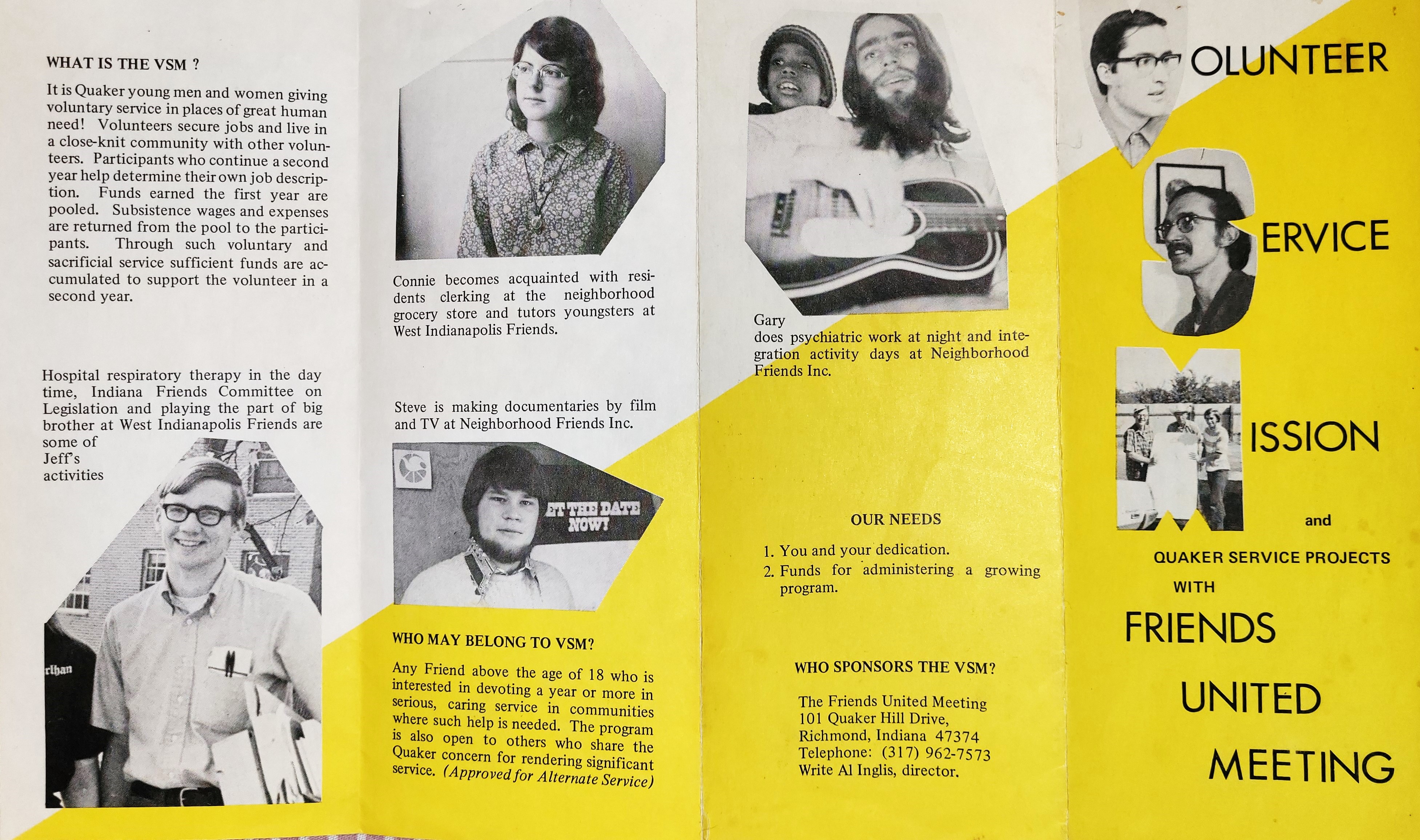
These are the stories I wrote about how I came to be a draft resister, and the two years I spent at the Friends Volunteer Service Mission in inner city, Indianapolis.
Young Quaker Men Facing War and Conscription
One of my Quaker mentors was Don Laughlin. I worked in his medical electronics lab at the University of Iowa the summer before my senior year at Scattergood, 1970.
I was helping put the stories Don collected into publishable form when he died. I’m glad I had copies of all the stories and so I could put them into the following PDF file: Young Quaker Men Facing War and Conscription.





 unflinching