I last wrote about asking the right questions. That was background for further discussion today.
From several decades of working for justice I’ve learned that successful work for change involves the practice of continually asking questions about what is working, and what is not. Asking as individuals, and as organizations.
Questions invite the engagement of ourselves and/or organizations we belong to. Build community. Expand our consciousness. Benefit from diverse viewpoints. Questions are the basis of life-long learning.
Just and lasting change does not happen in a top-down manner. Being told what to think or do by those higher up in the hierarchy does not build community. Change comes from engaged people and institutions, where asking questions is a critical part of how a group functions.
Kheprw Institute
An example is the monthly book club of a community I was part of in Indianapolis, the Kheprw Institute, a youth mentoring and empowerment community.
Focusing on asking questions about the month’s book allowed diverse perspectives to be expressed, without directing comments at individuals in the group. Around thirty people usually attended, a group with a lot of diversity, sitting in a circle. The discussion was facilitated by asking various questions about the month’s selected book. People listened and spoke respectfully. Sometimes Kheprw Institute youth would lead the discussions as part of their education. Over the months the people who showed up for these discussions began to know each other. Little by little trust was developing.

Collapse
As we move further into the consequences of global environmental devastation, into political and economic chaos, we will be forced to face questions about how to adapt and survive.
I believe we need to be asking questions from a global perspective. A case in point is the recent presidential election. Many people I respect made the choice to support the Democratic candidate. As I’ve been sharing, I could not do so. Trying to understand these differences is what I’ve been studying, writing, and praying about lately.
US Democrats asked:
- Wouldn’t the Democratic candidate be more likely than the Republican candidate to work for justice?
I think that would be true. - Won’t there be further authoritarian policies if the Republicans won?
I expect that would be true. - Won’t we see expanding attacks on civil rights in the US?
Most likely. - Aren’t our democratic institutions at risk?
Probably. - Won’t one of our greatest threats, environmental devastation, see a rollback of environmental protections? And an emphasis on further development of fossil fuel resources?
Yes
All those questions and answers make a strong case for voting for the Democratic candidate.
Not unequivocal
I would point out that many of my answers above are not unequivocal. Based upon past experience, and current news from the Trump campaign, my answers are what I think are likely. But, perhaps inadvertently, the uninformed Republican administration might not do all harm listed above. And might do some surprising things. One example might be the administration’s plan to end the war in Ukraine. What if that came to fruition, unlikely as that seems? On the other hand, is Trump’s intention to continue to support Israel.
Aren’t our democratic institutions at risk?
I think “aren’t our democratic institutions at risk?” deserves special attention. The Democrats portray themselves as the protectors of democracy. But the discrepancy between what they say and how they have repeatedly disregarded their constituents, especially regarding militarism, tells me that is not true.
Global scope
What is becoming increasingly clear is the global scope of the challenges we face. Our greatest global challenge is the rapidly evolving environmental collapse. What is also different is the whole world can see, in real time, the environmental devastation as it unfolds. Just as the whole world sees what is being done in Gaza and who is responsible for it.
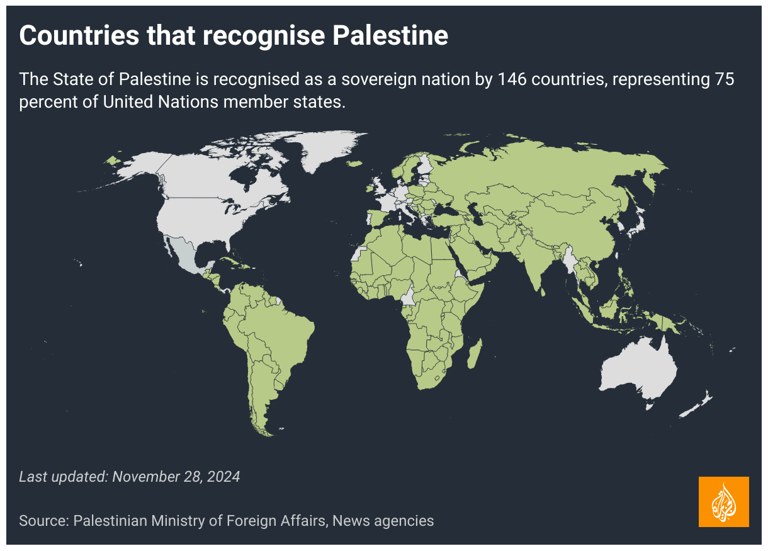
Asking the right questions today involves focusing on the global, interconnected nature of our challenges.
Palestinians are asking:
- When will the US stop sending billions of dollars of aid and weapons to Israel?
- When will the US stop vetoing ceasefire resolutions in the United Nations?
- Why is the US criticizing the UN and the International Criminal Court, undermining global diplomacy?
- When will the US stop supporting Israel’s war diplomatically?
- When will the US pay attention to the overwhelming, global solidarity for Palestinians?
- Why do so many people in this country refuse to accept our complicity in the total devastation of Gaza?
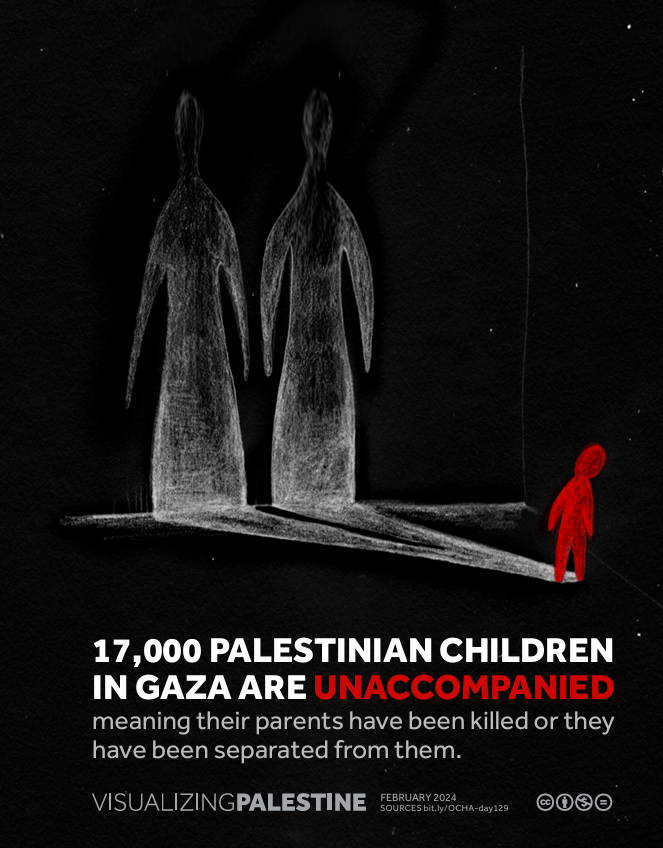
- What do we say to orphaned children in Gaza, living in the rubble, with no water, power, medicine, and experiencing starvation? With massive bombs landing all around them. All because the US continues to send weapons to Israel.
Accountability
What you believe you are accountable for determines which of the above sets of questions you think you should be answering, and what they lead you to do.
If the Harris campaign had engaged with Palestinian supporters many of us would have gladly voted for her. But multiple efforts to engage with the Harris campaign were rebuffed.
They underestimated how much of their base could not accept the promise of the protection of some of our rights, while witnessing gross violations of Palestinian human rights. –Janene Yazzie
By the campaign not doing so, and by continuing to declare Israel has a right to defend itself, many of us feared a Harris administration would continue to support the Israeli government’s genocide and war crimes.
“I can think of no greater failure of solidarity and no greater expression of privilege than prioritizing the preservation of our own rights and comforts over the protection of others from starvation and death.” Harold Page-Jamison
Urgency
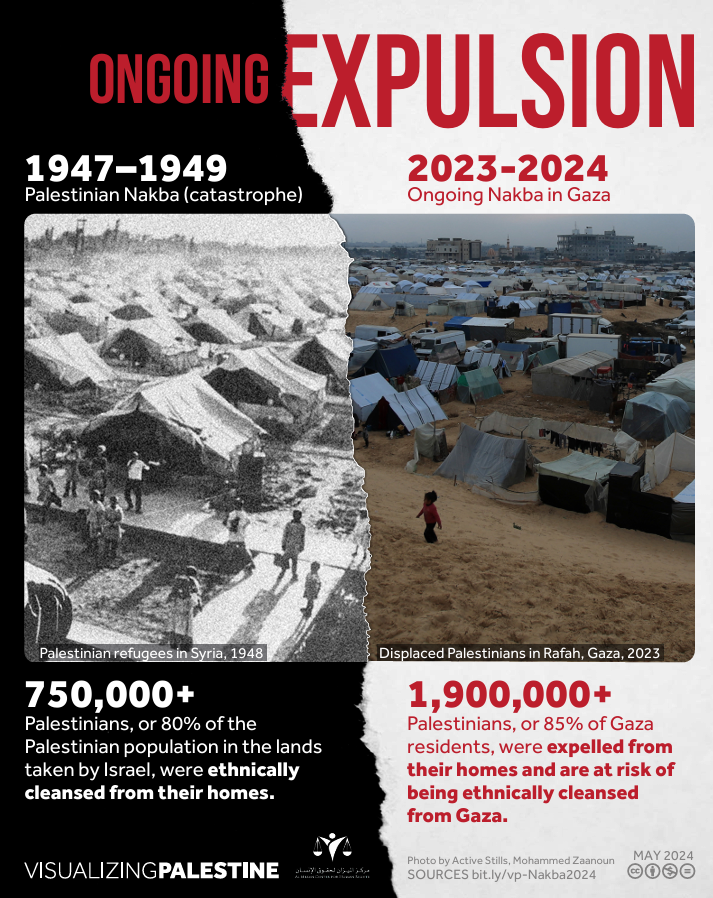
What I cannot understand is the lack of urgency to stop the bombing. Day after day, hour after hour, Palestinian children, women and men are killed. Either directly from bombs or the guns of Israeli soldiers, or from wounds, disease, dehydration and/or famine.
For Palestinian supporters the US/Israeli war is not one issue among many. We in this country are accountable for the horrors, the genocide, the war crimes that are occurring relentlessly as we speak.
Poet Rasha Abdulhadi has written: ‘Wherever you are, whatever sand you can throw on the gears of genocide, do it now.’”





 unflinching