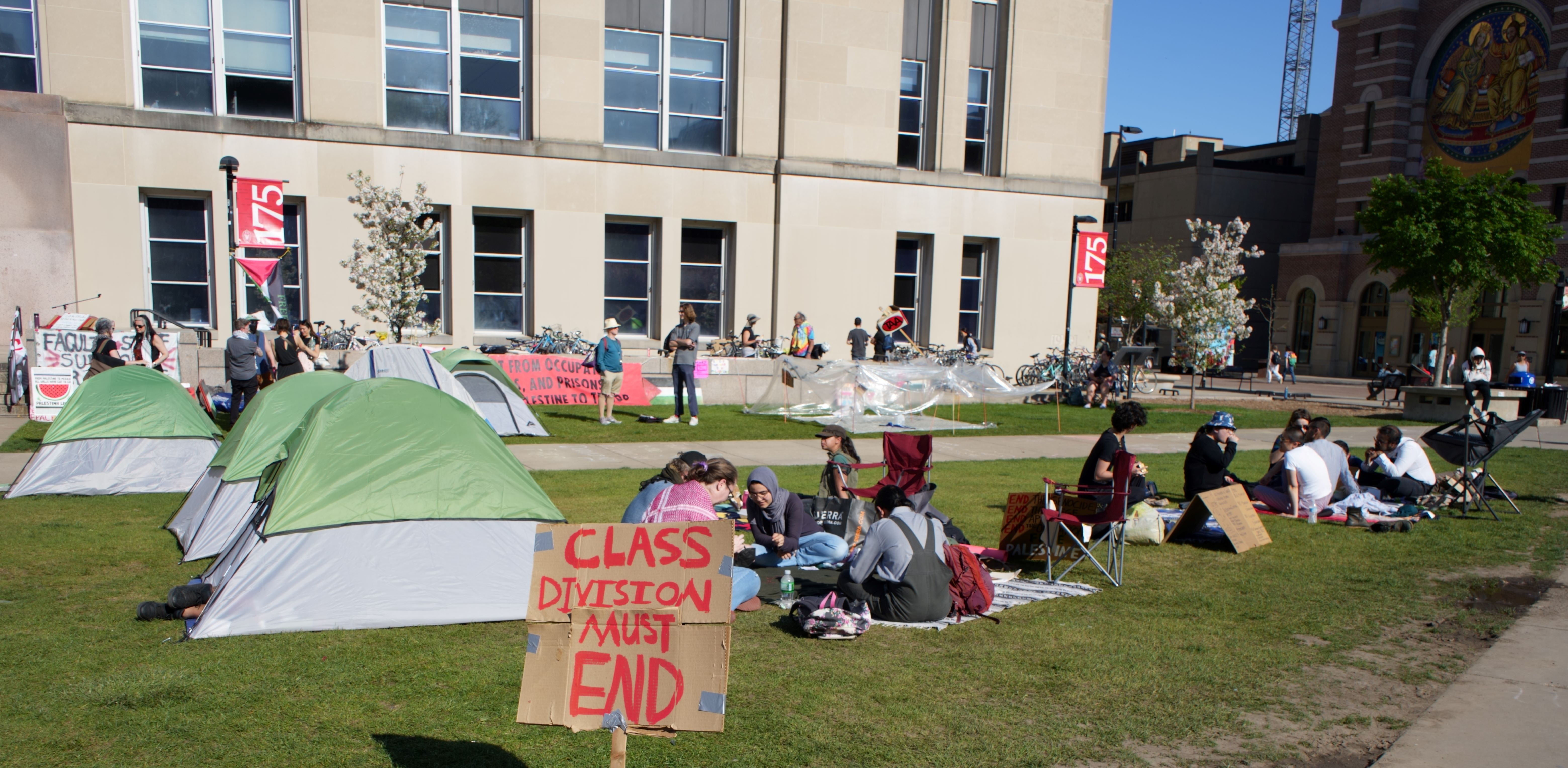
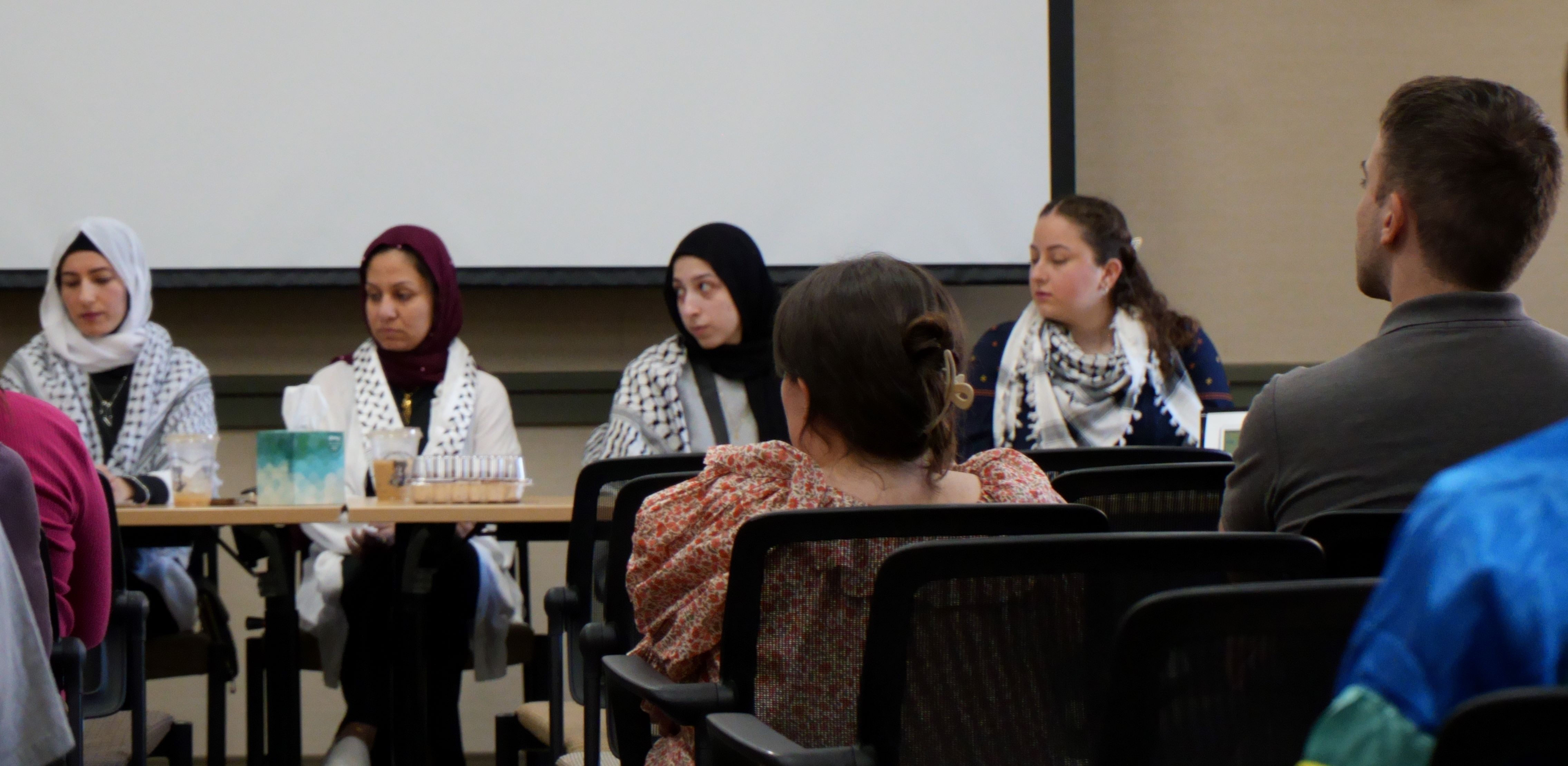
As students return to the University of Wisconsin-Madison, I wonder what will happen now. I’ve just made contact with pro-Palestinian activists, so will have more to say after meeting with them.
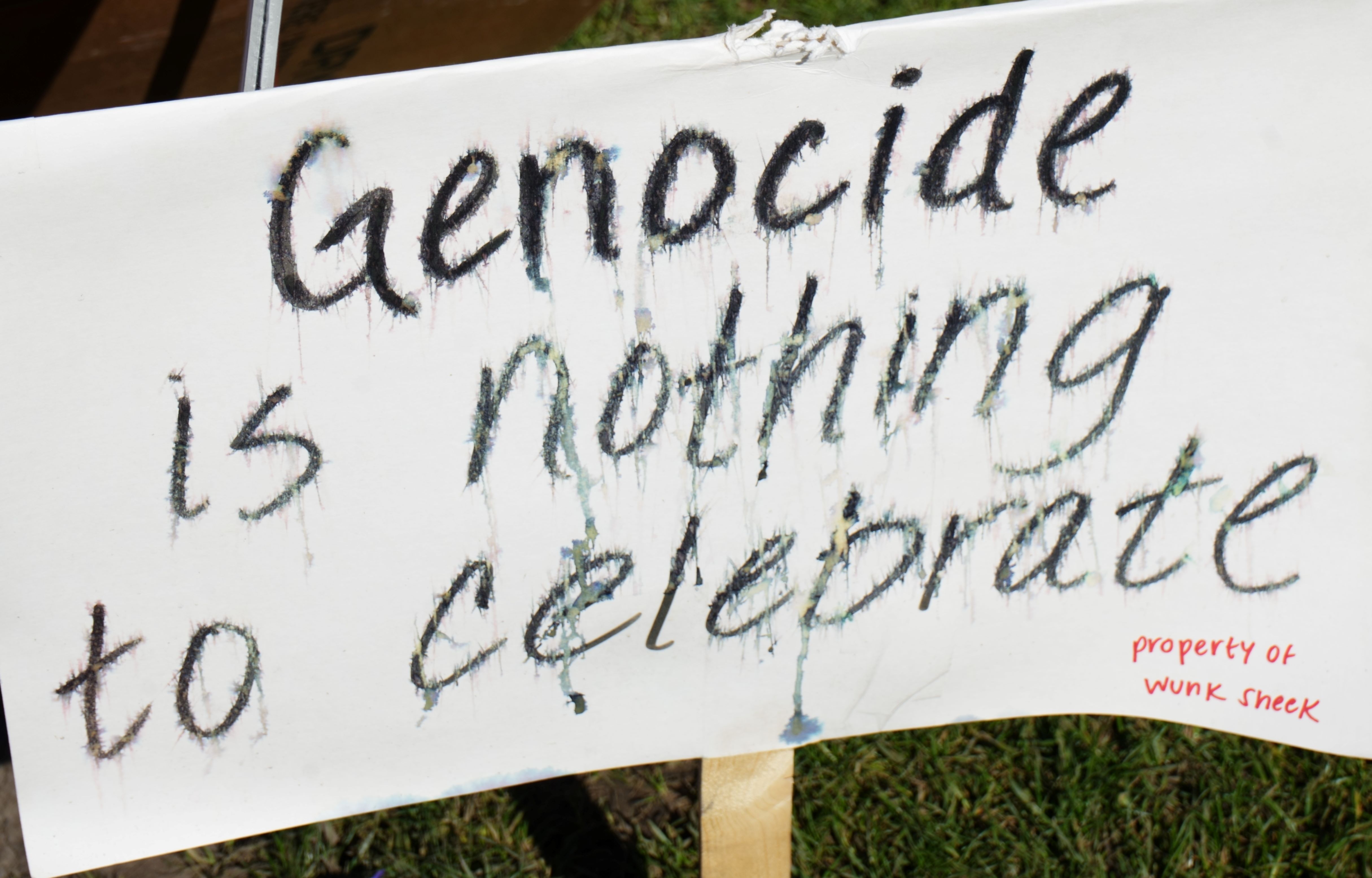
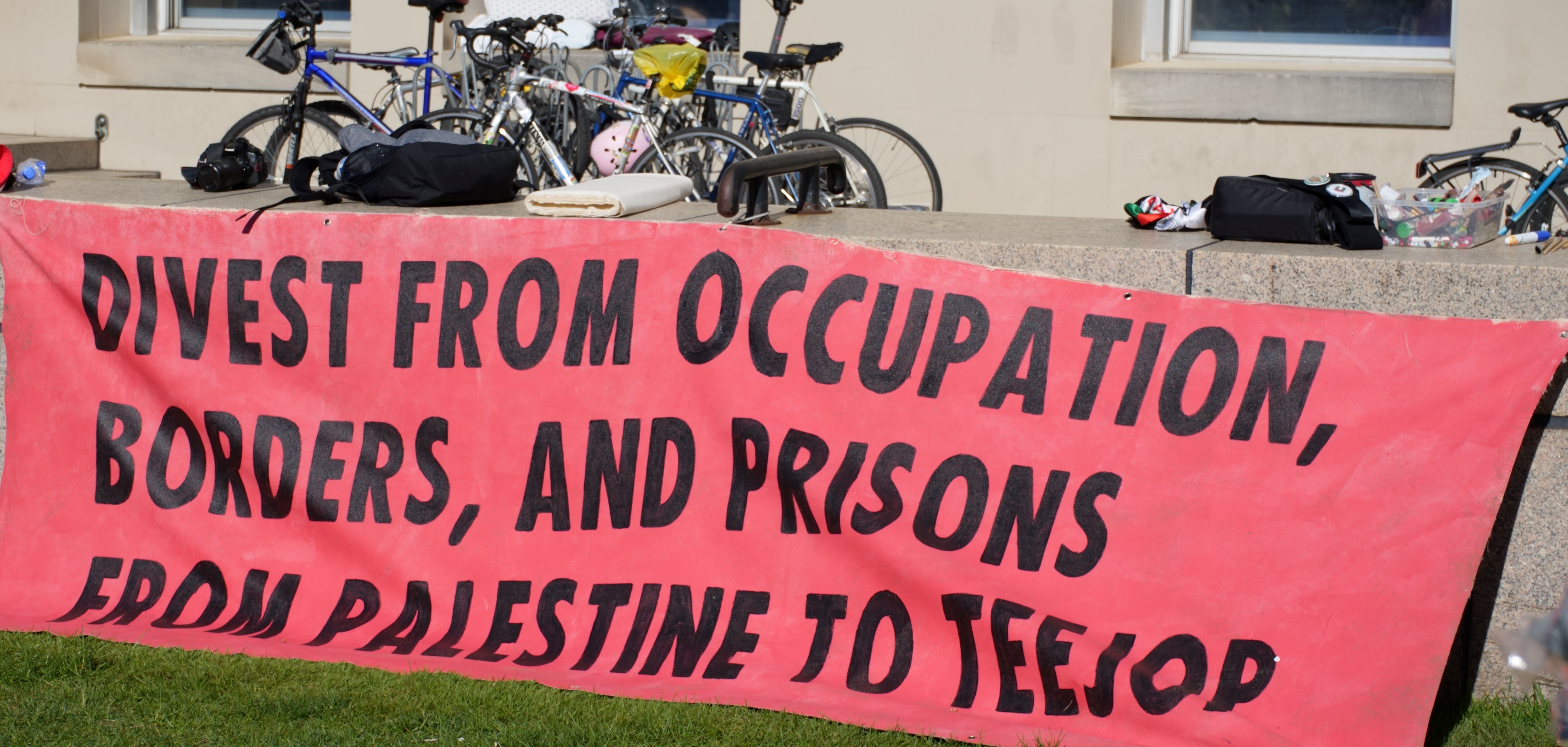
As mentioned below, the protesters’ demands, here and across the country, are for their institutions to divest from companies that participate in the border, surveillance, prison and occupation industries.
American Friends Service Committee (AFSC)
This makes me even more grateful for the ongoing work of the American Friends Service Committee (AFSC). American Friends Service Committee. Supporting AFSC is one way Quakers can support pro-Palestinian groups and actions.
Protesters continue to advocate for a list of six demands, including investment transparency and divestment from all companies the American Friends Service Committee said participate in the border, surveillance, prison and occupation industries.
Other demands are cutting ties with “Israeli institutions,” including a graduate exchange program and study abroad trips to Israel, getting “all cops off campus” and a call to “stop the land grabs and cease expansion, in order to house our community.”
University officials refused to read the demands in an initial meeting, protesters said Monday.
Your questions about UW-Madison’s pro-Palestine encampment protest, answered


UW Madison did investigate protesters
News and Politics Editor Christina Lieffring and reporter Emily Mills sat down on May 14 to discuss how the encampments compare with previous protests in tactics and messaging, how the media and adults refuse to take student protests seriously, what leftist movements could learn from the encampment, and how to move forward. Our conversation lasted for over an hour, and it wasn’t terribly organized, so the transcription below has been adjusted for both clarity and readability.
Christina Lieffring: What do you make of the agreement protestors reached with UW-Madison’s administration at the end?
Emily Mills: Complex feelings, nuanced feelings about that. I understand how it was reached. And I have a lot of sympathy and respect for the people, especially the students who are involved in negotiating, because I know that for a long time, they weren’t getting anything out of the UW-Madison administration. So to have gotten any agreement, especially with deadlines for programming, bringing Palestinians to campus, evaluating programs, and at least getting a commitment to “We’re going get you a meeting with the foundation people who do hold the purse strings on these investments.” That’s the place to go and put the pressure on. I think that’s all good.
It is, of course, a real disappointment that no commitment [was made] to “We will also work with you to get that divestment if we find these investments in there that don’t meet these standards.” Especially compared to the UW-Milwaukee agreement, which has some tangible divestment stuff and some very clear language about what’s happening in Gaza. I don’t blame the students for that loss. I blame Chancellor Jennifer Mnookin. I blame the administration for absolutely refusing to engage in any good faith and for engaging in what were essentially union-busting tactics against those students and their supporters. I blame them for not being able to have the stomach to take the moral stance against what is happening in Palestine.
The camp was having a hard time sustaining itself, because of the usual issues that pop up. An issue that wasn’t happening on some of the private campuses, [was that] we’re a public space where a lot of unhoused folks live. They joined the encampment, mostly for shelter and food, which I can’t blame them. The people in the encampment were super sympathetic and really compassionate. Some of those folks who were unhoused were great, really involved, and got really interested in the issues. And some of them had serious drug and alcohol issues that were causing safety issues, a lot of stress, and a lot of outside scrutiny. It was getting bad. It wasn’t sustainable.
What we learned from UW-Madison’s pro-Palestine encampment by Christina Lieffring & Emily Mills, Tone Madison, May 27, 2024
The pro-Palestinian activists who disrupted campuses across the nation are plotting their return for the new academic year.
Demonstrators say all forms of protest are still on the table, despite the more than 2,000 arrests so far, as students try to figure out a new strategy to demand their schools divest from Israel, among other goals.
“What we will see [is] the students will continue their activism, will continue doing what they’ve done in conventional and unconventional ways. So not only protests, not only encampments, kind of any — any available means necessary to push Columbia to divest from from Israel,” said Mahmoud Khalil, student negotiator on behalf of Columbia University Apartheid Divest.
“And we’ve been working all this summer on our plans, on what’s next to pressure Columbia to listen to the students and to decide to be on the right side of history,” Khalil added.
Students will be heading back into the classroom this month after a chaotic ending to the last academic year.
Students gearing up for round 2 of pro-Palestinian protests: ‘We’ve been working all this summer’ by Lexi Lonas, The Hill, 08/04/24
UW Guidance on Campus Responses to Protest Activities
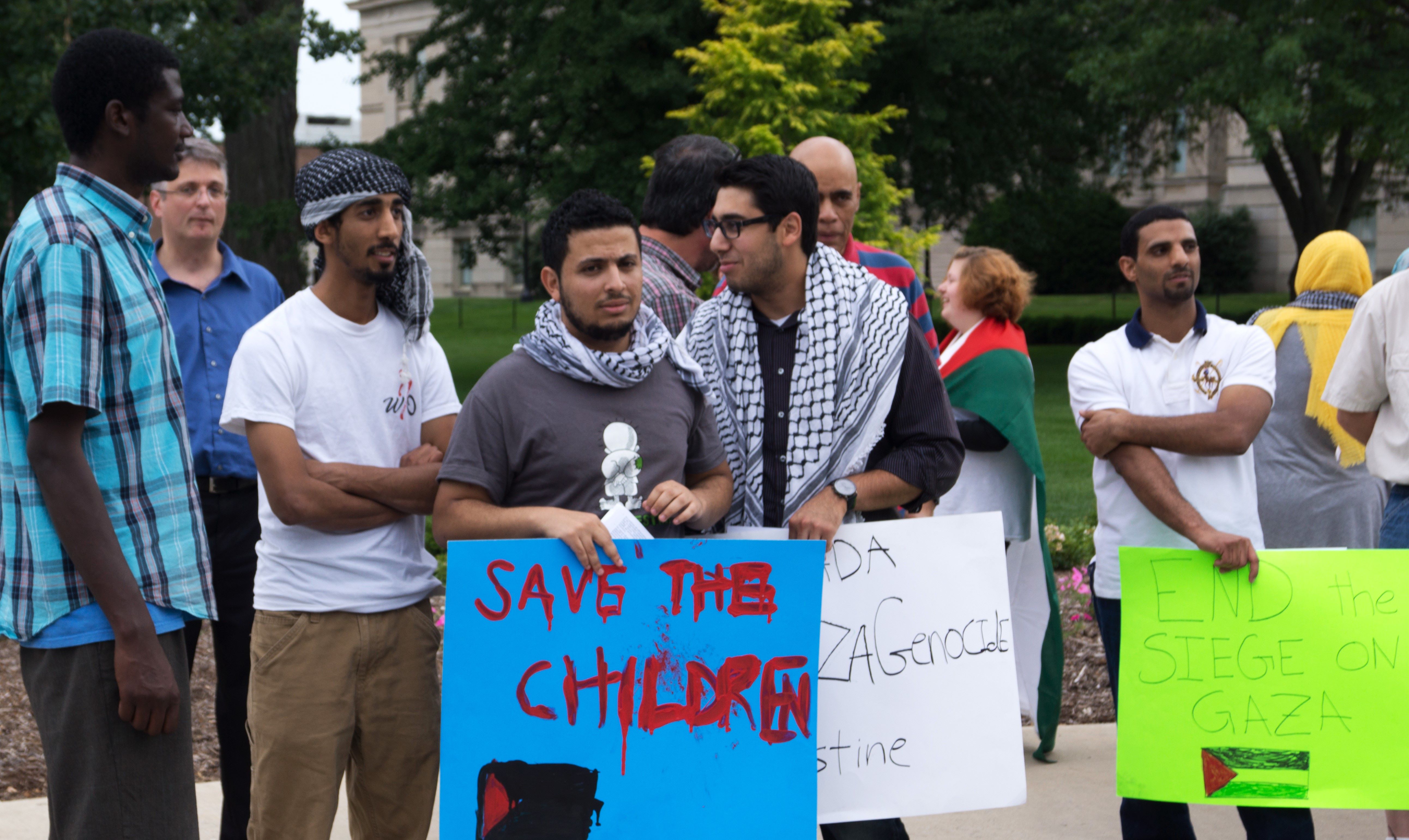
There are big issues involved here. Free speech and freedom to assemble, support for war and genocide, Congresional investigations and police violence. I hope and pray that justice will prevail, however this unfolds, here and across the nation.



 unflinching