I often wonder how effective some of our efforts for peace and justice are. Which is a scary thing to consider when you’ve invested so much in various causes and actions. What if what we do doesn’t make any difference?
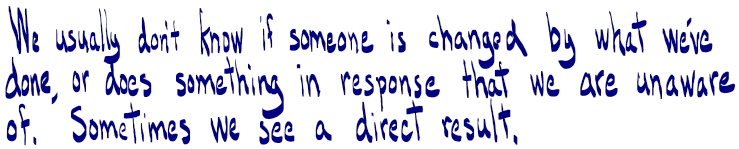

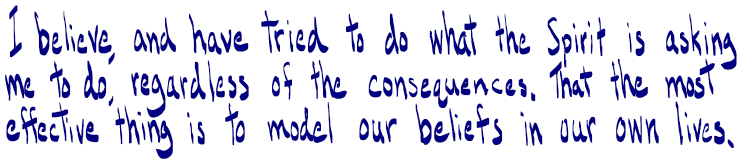
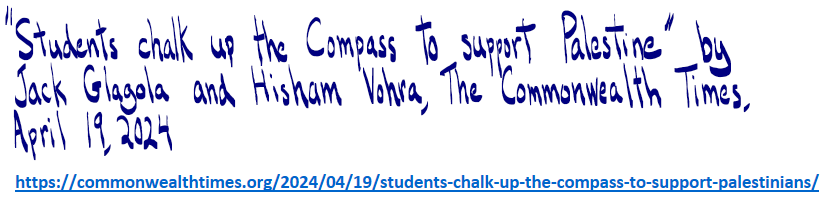
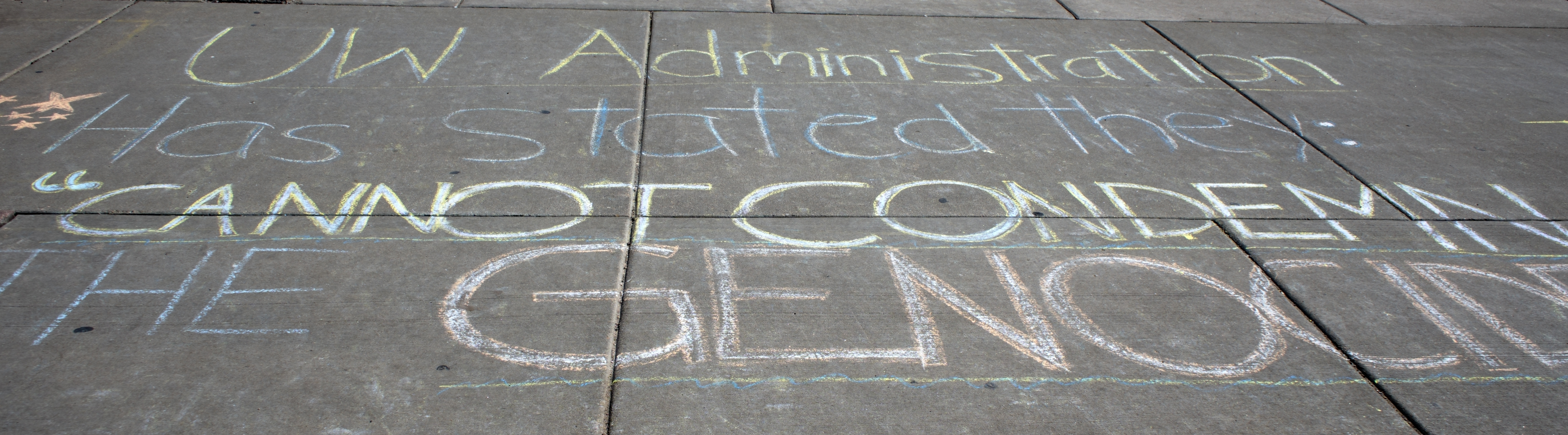
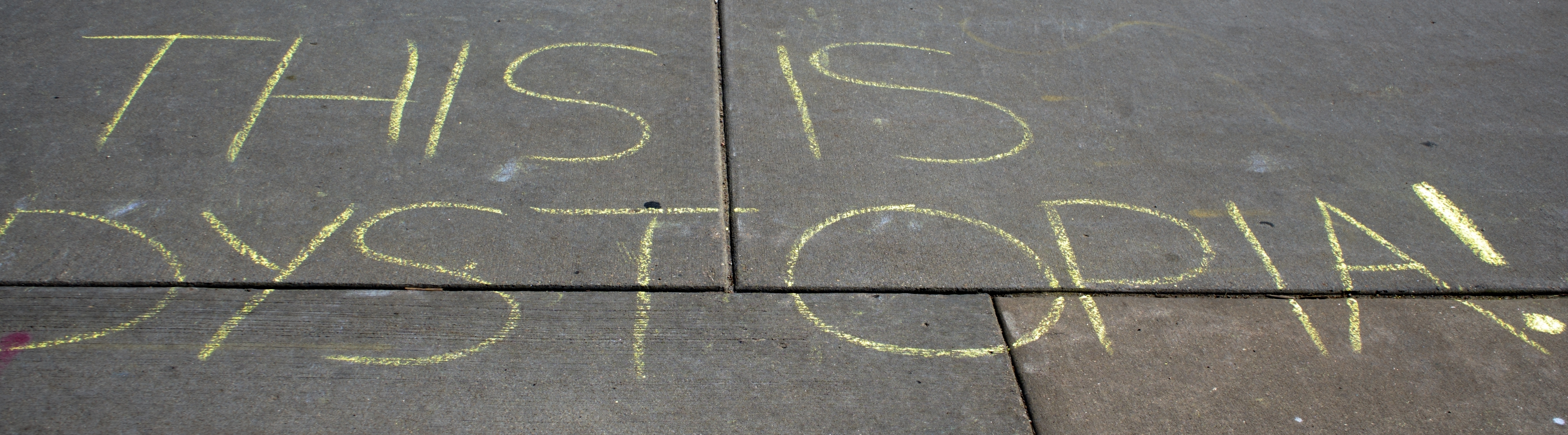
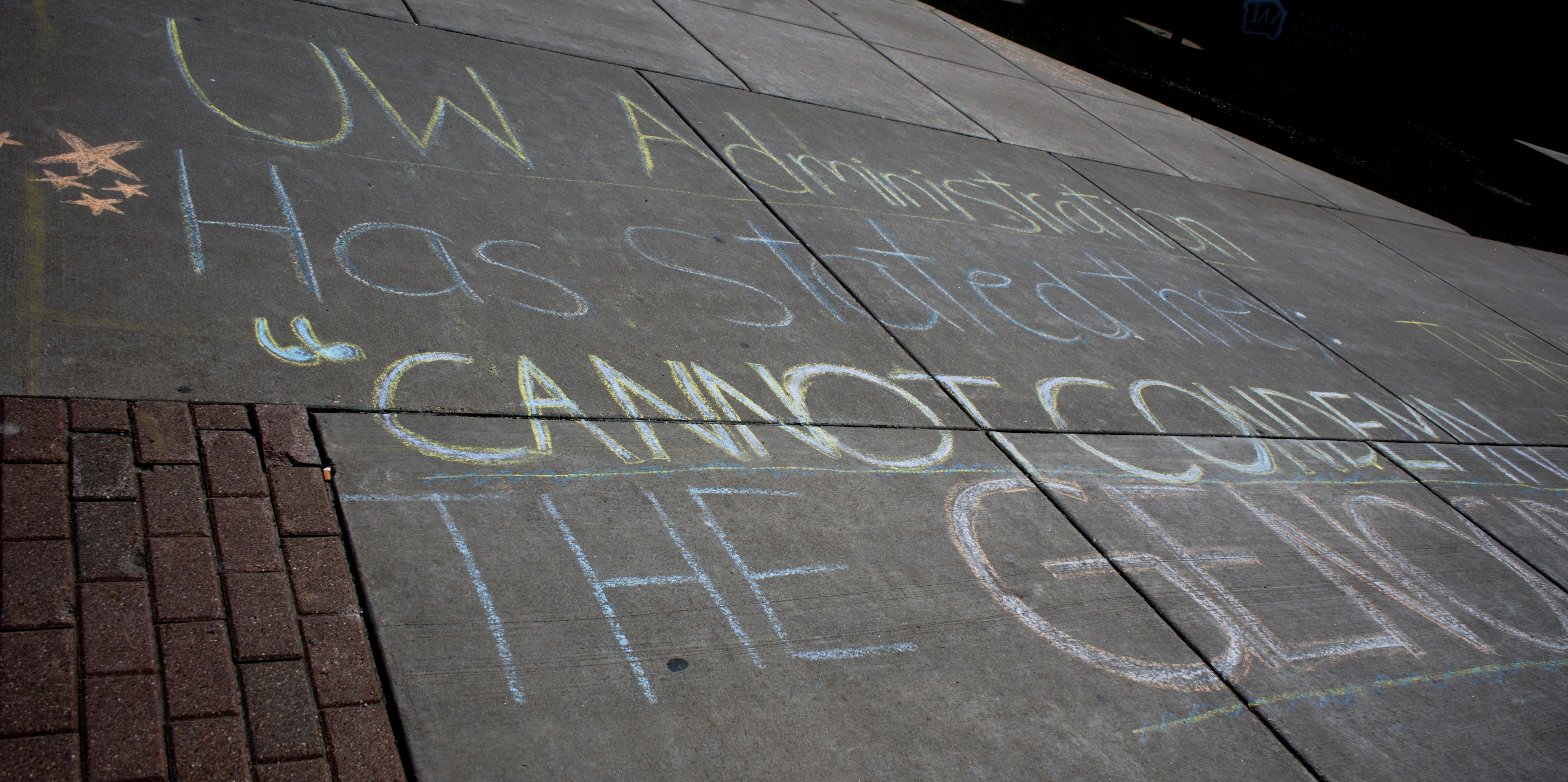
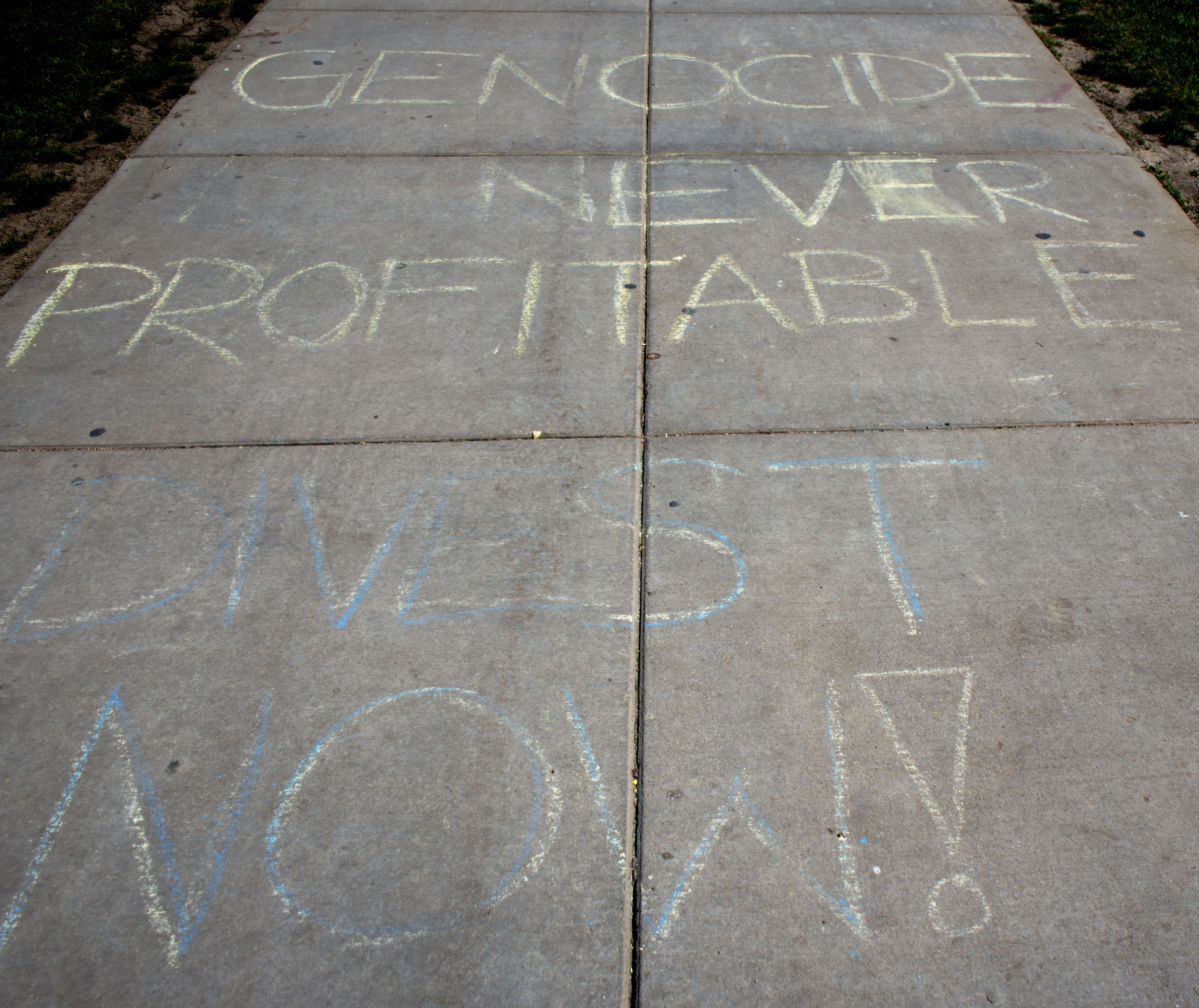
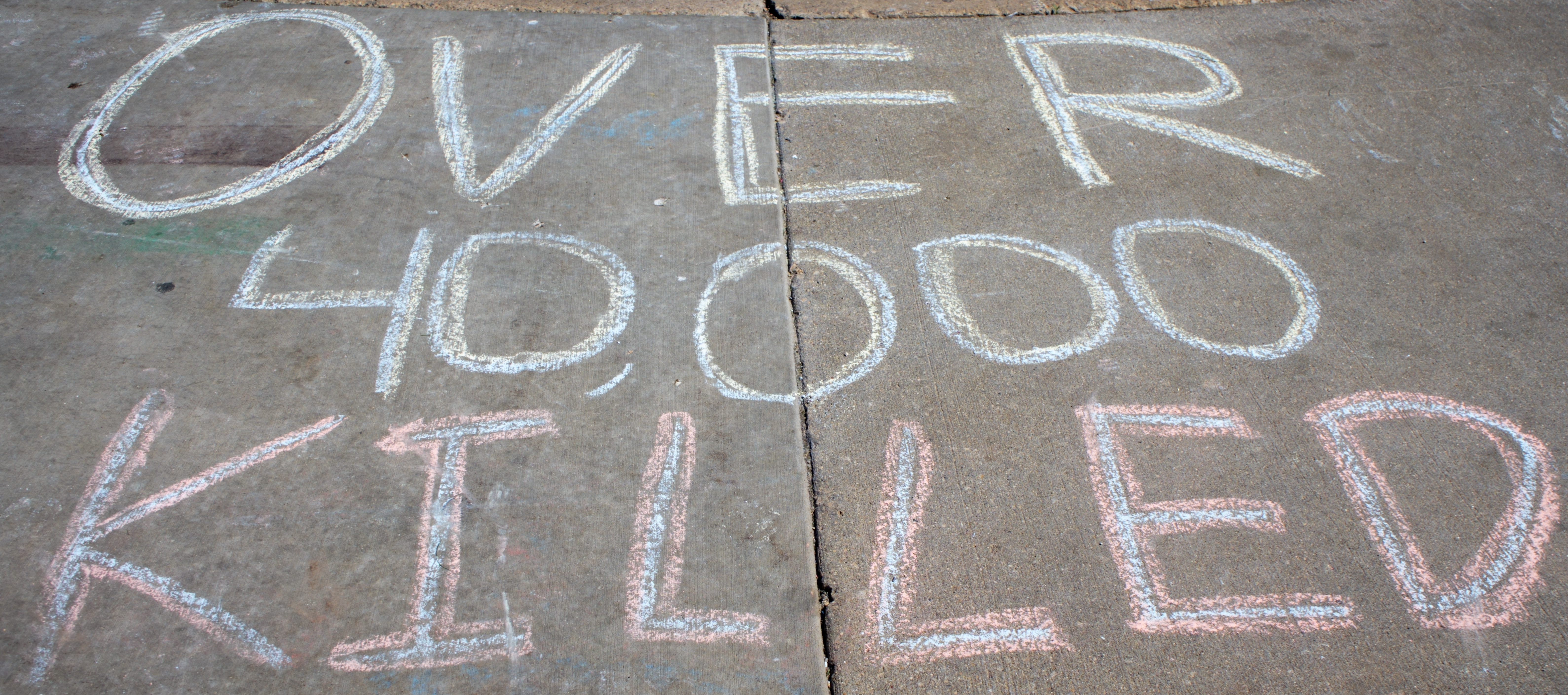
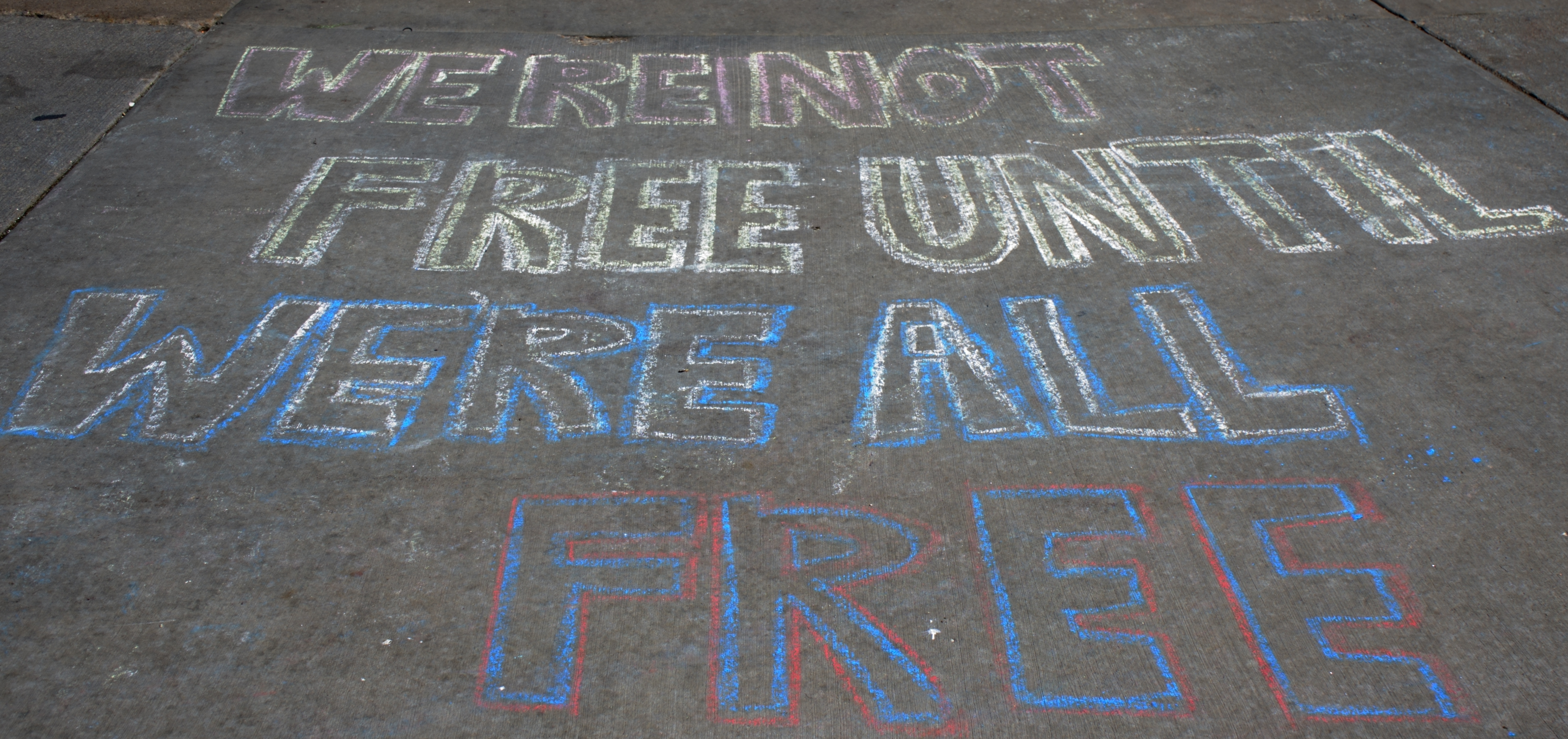
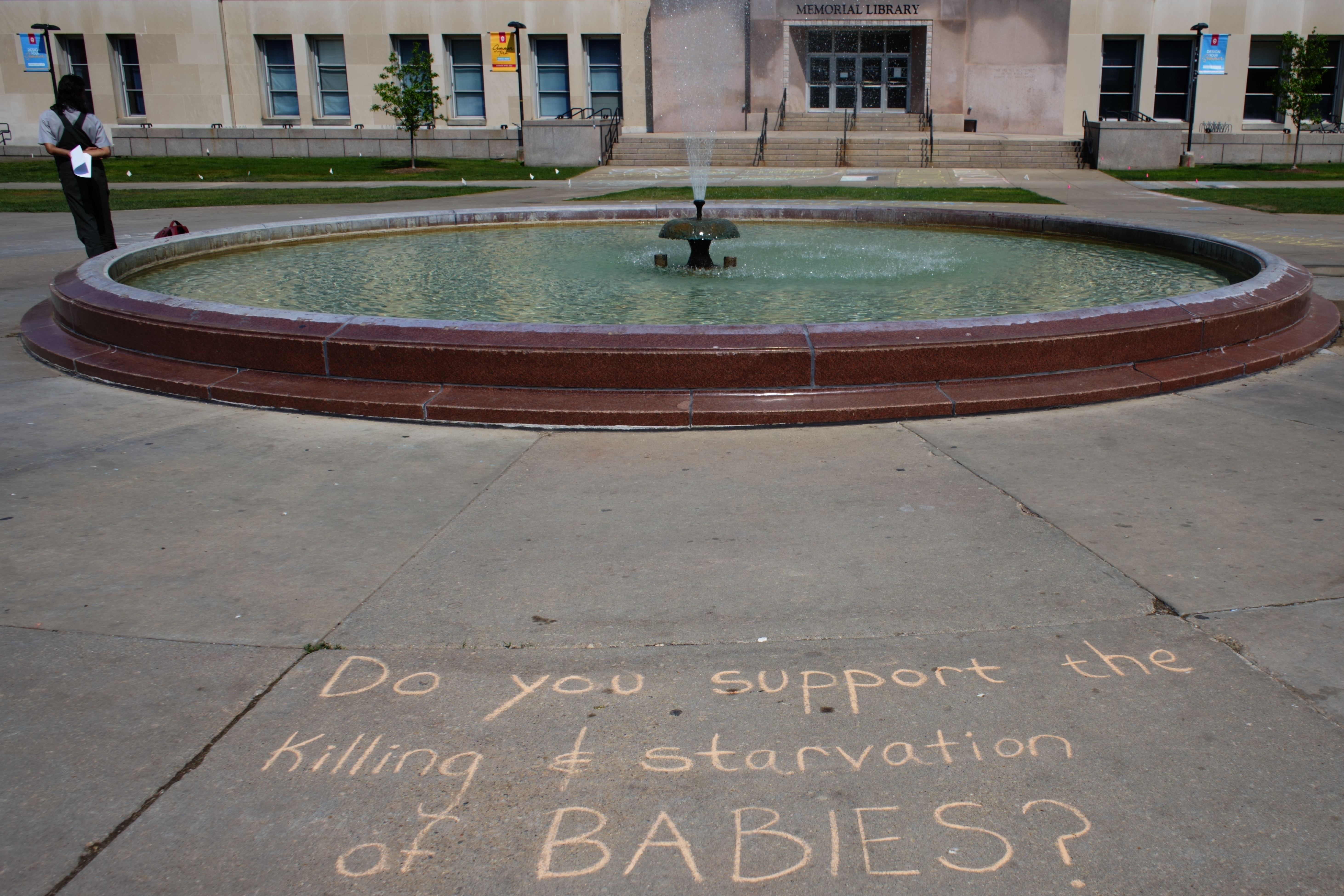
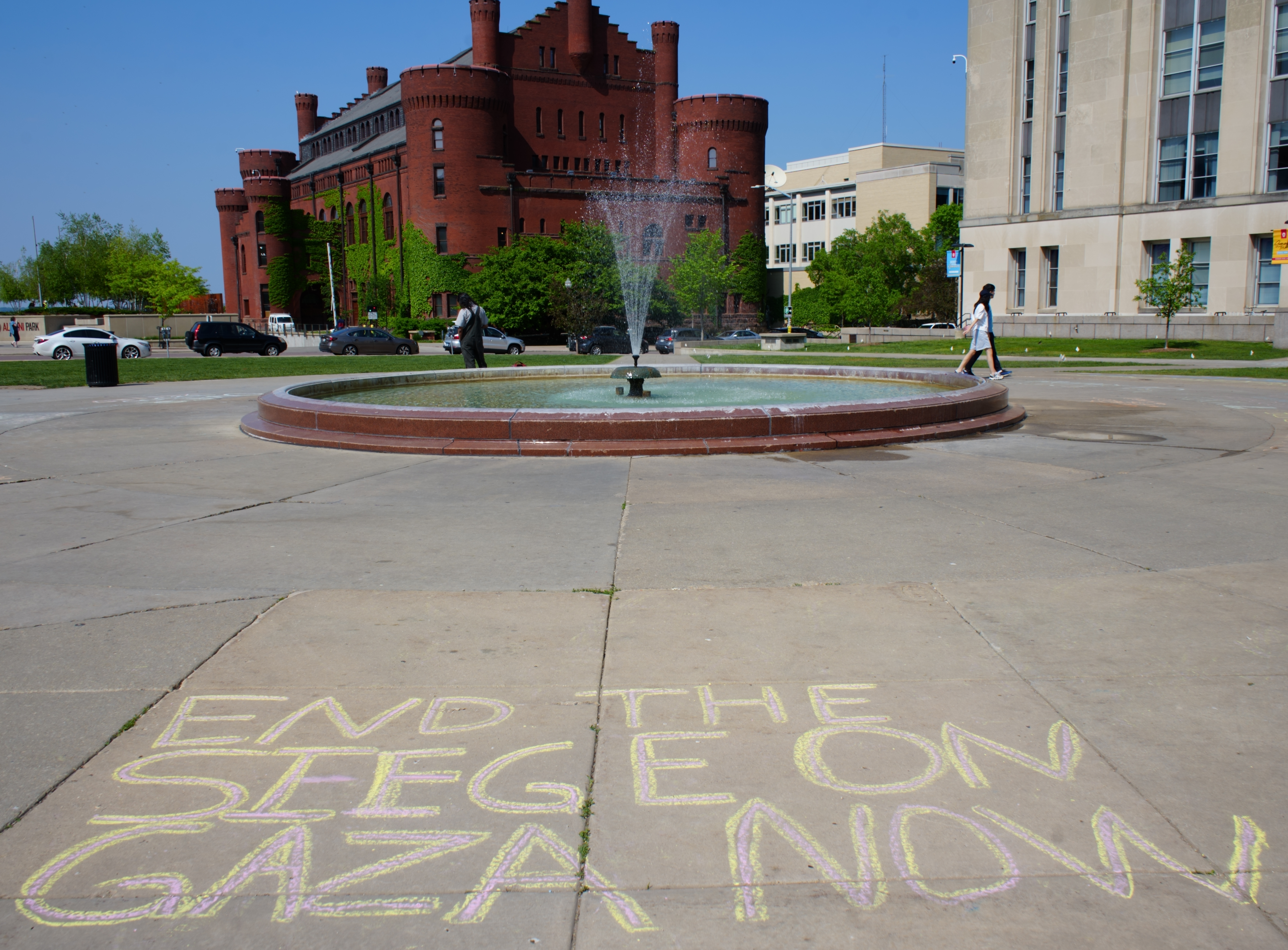
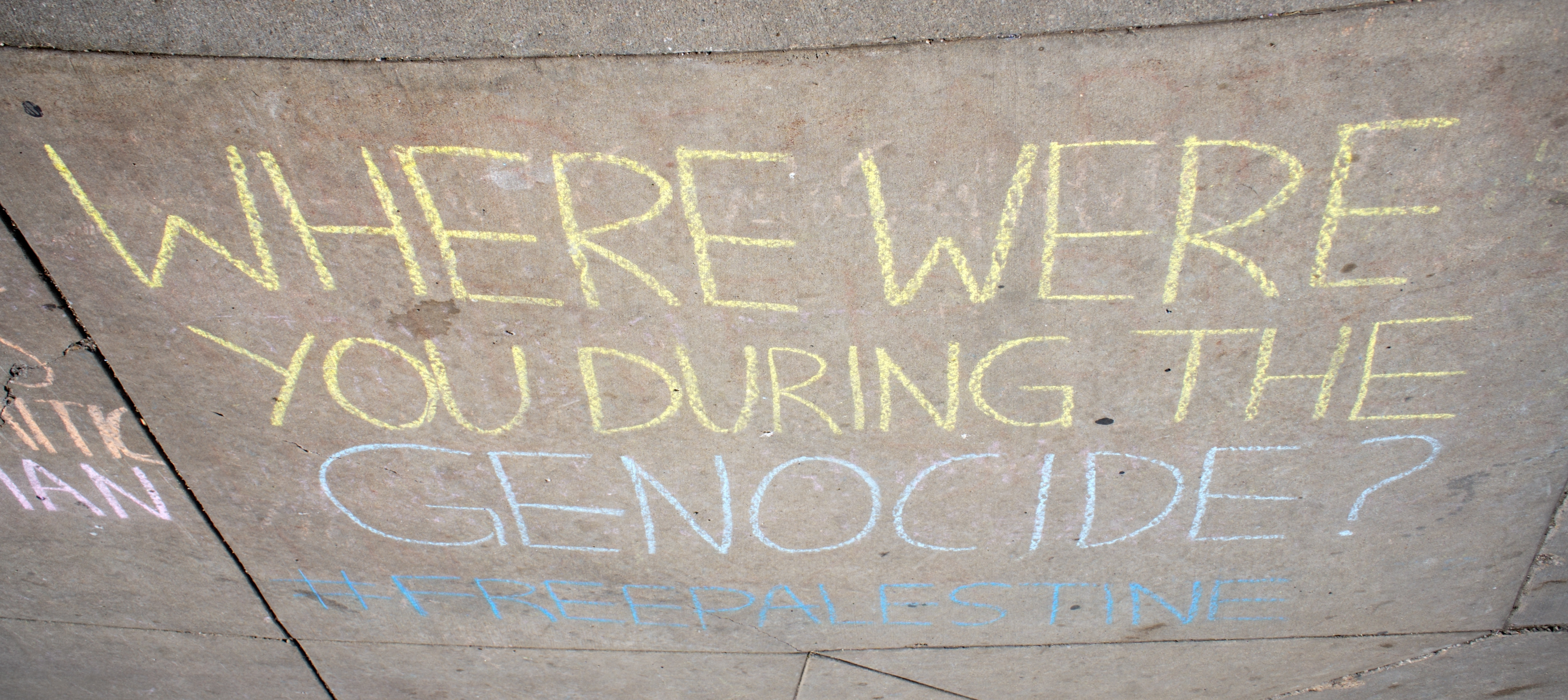
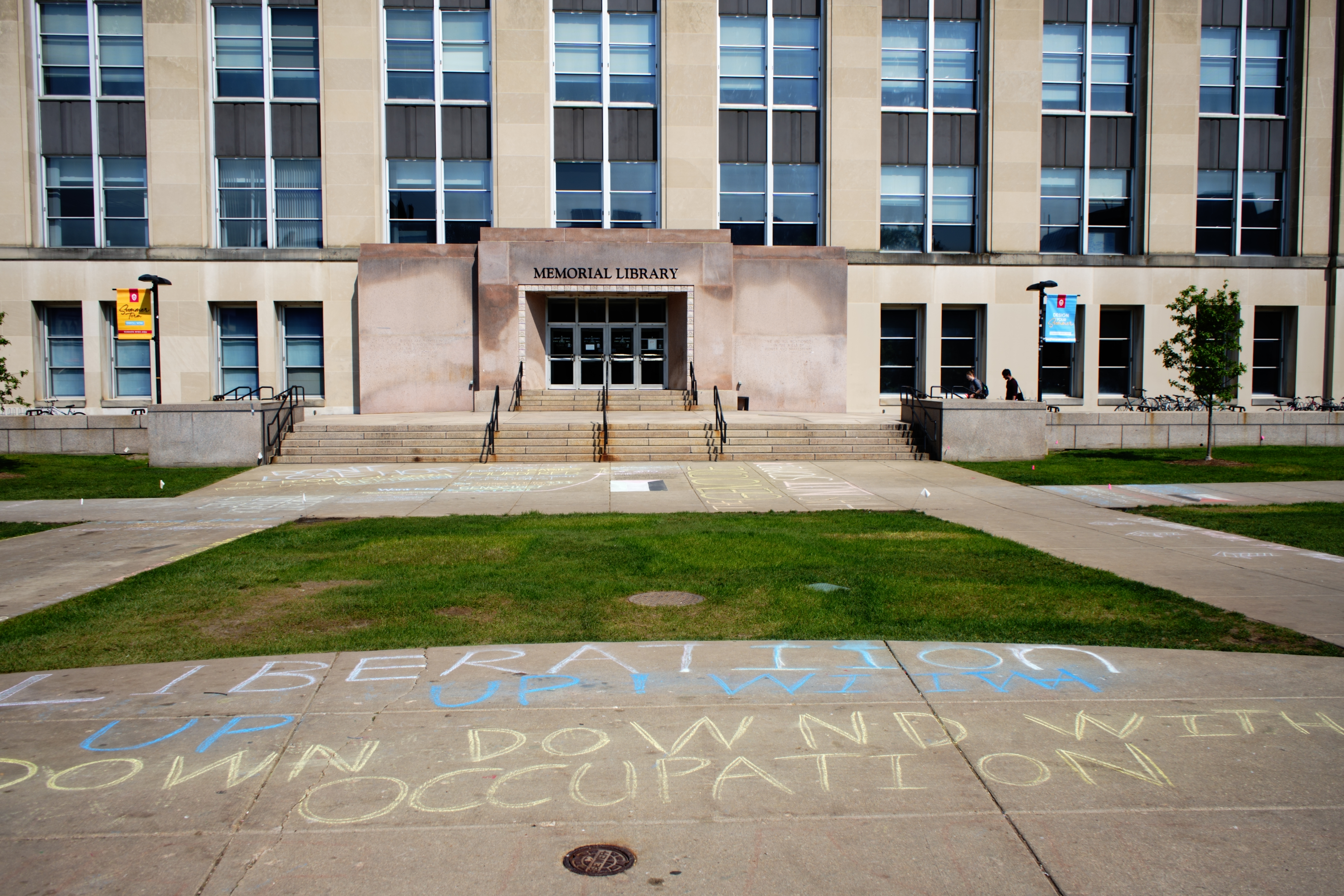
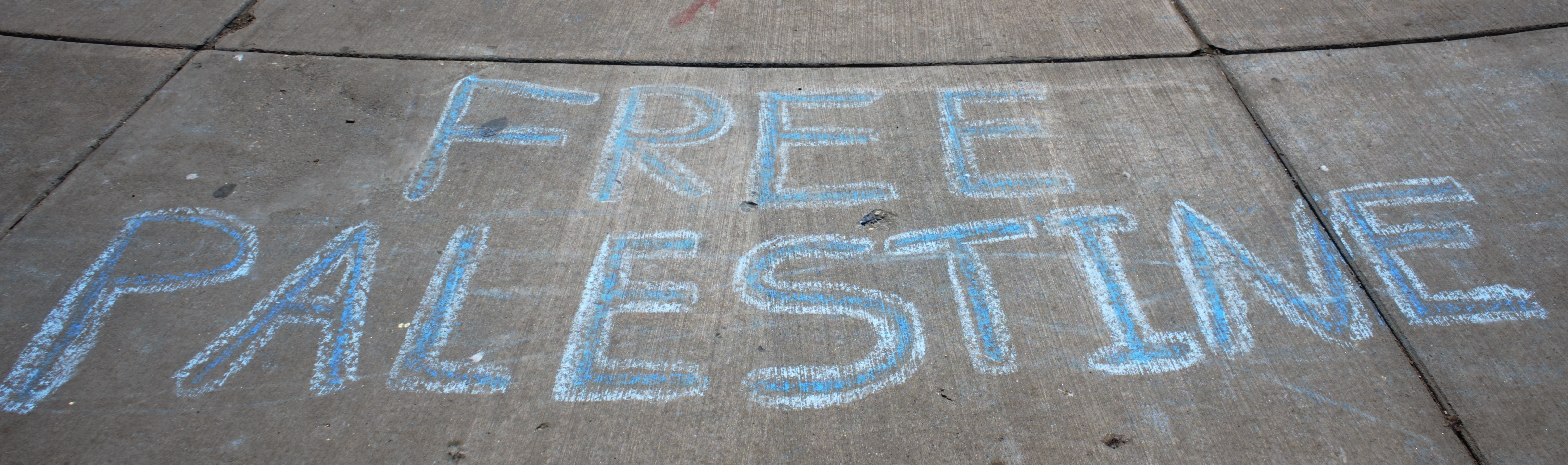
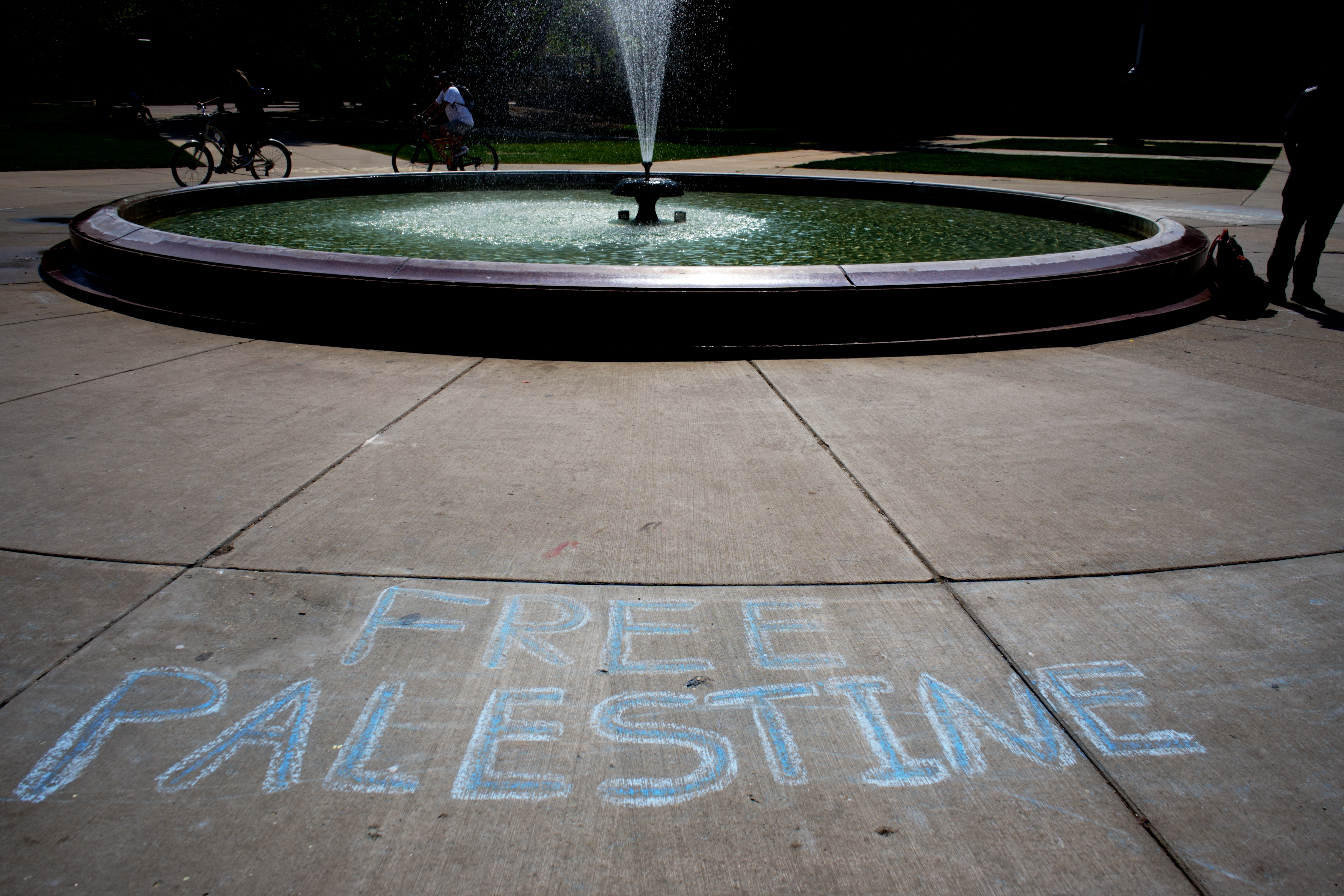
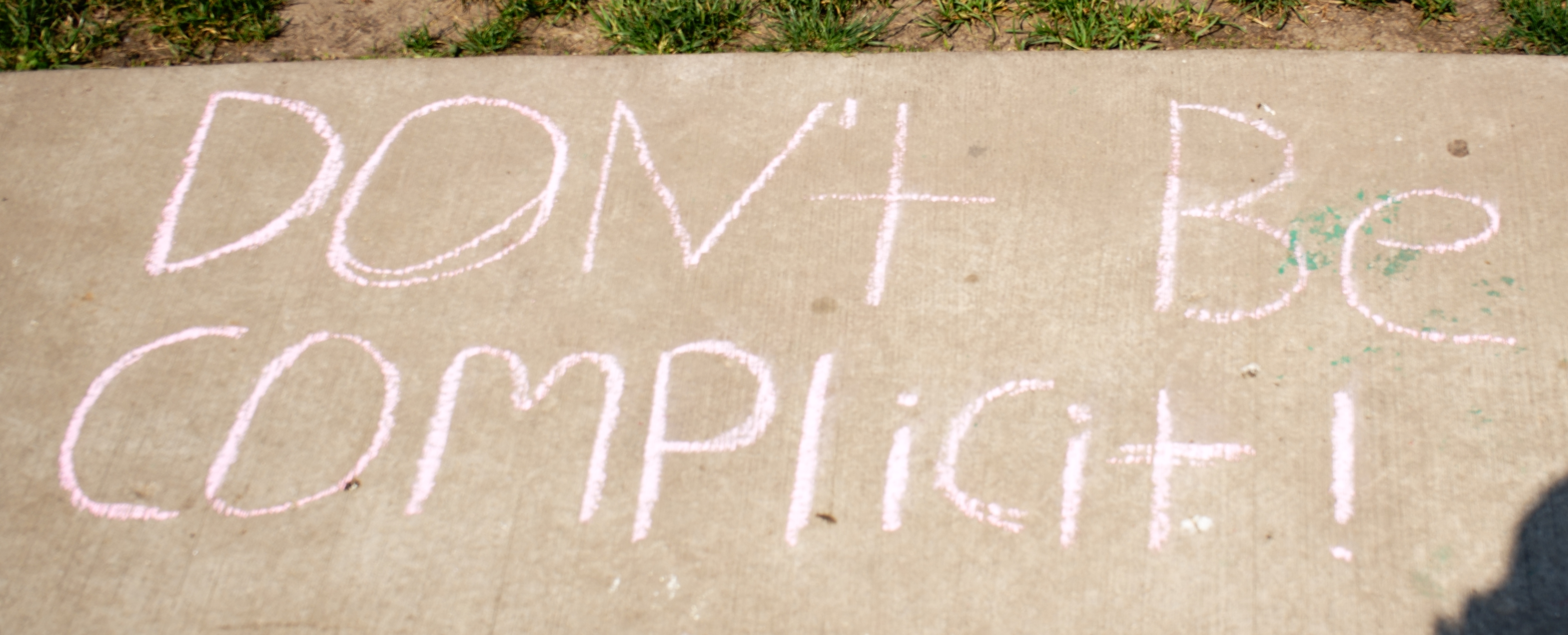
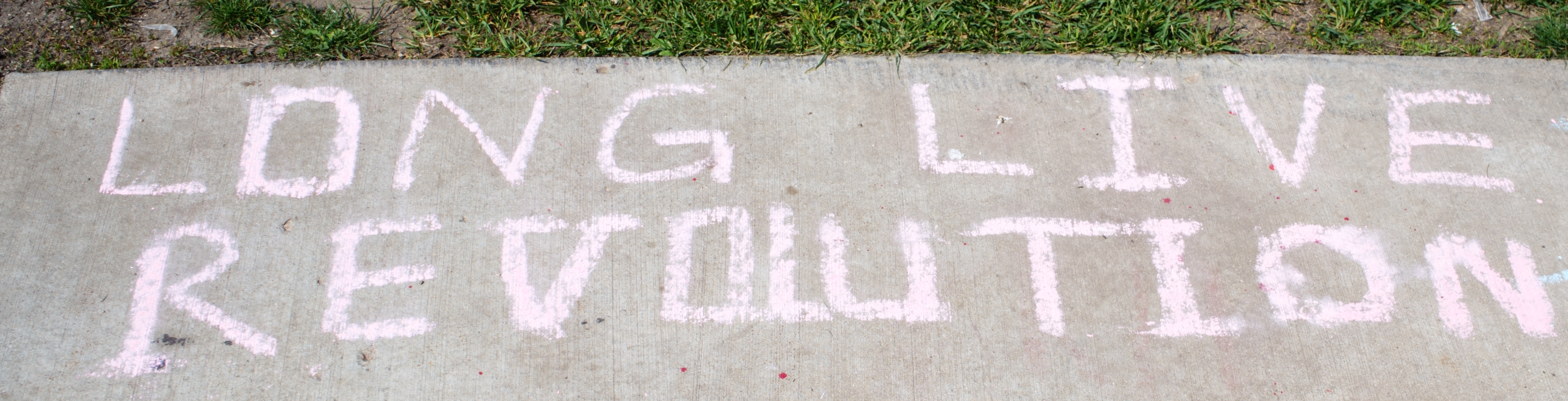
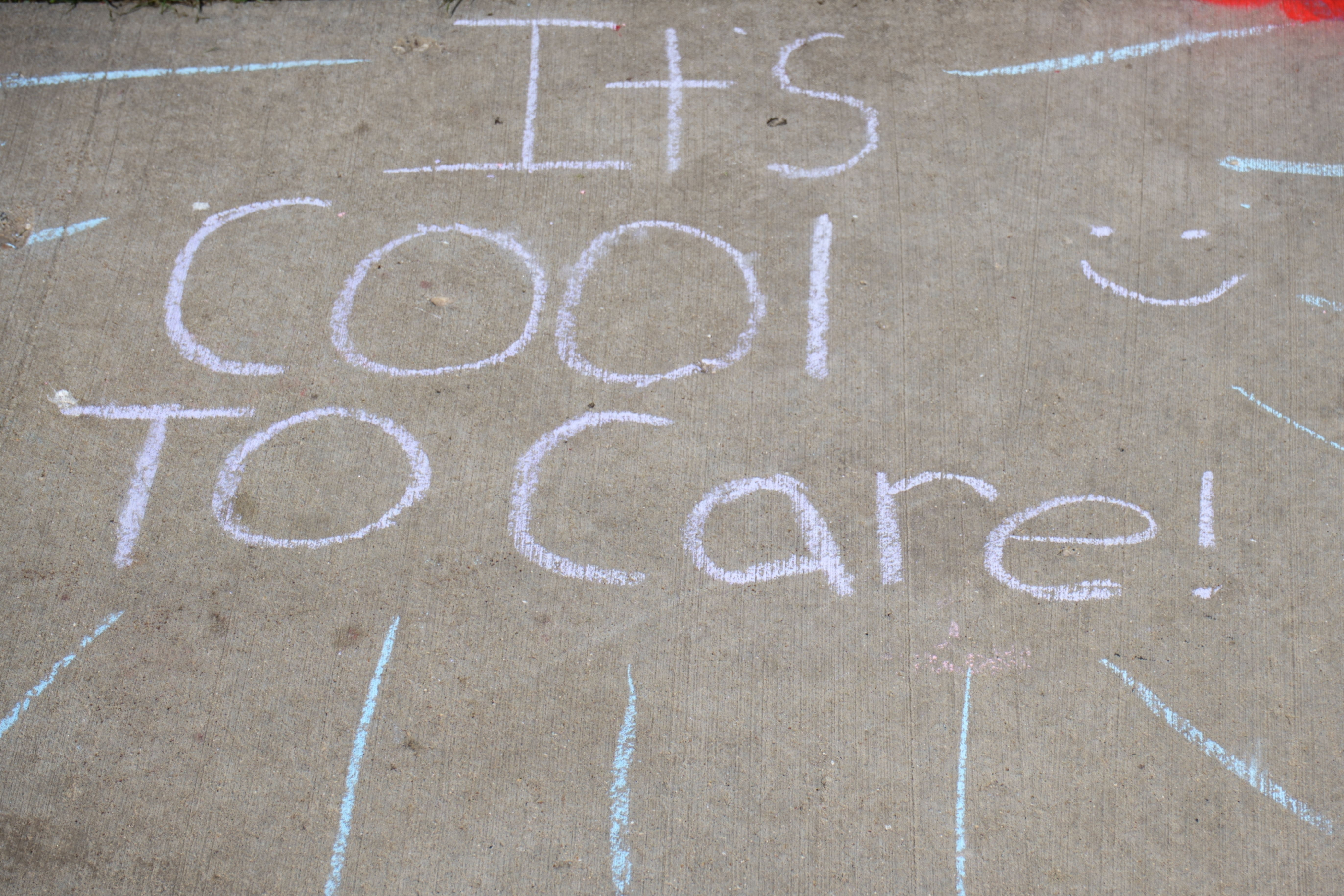
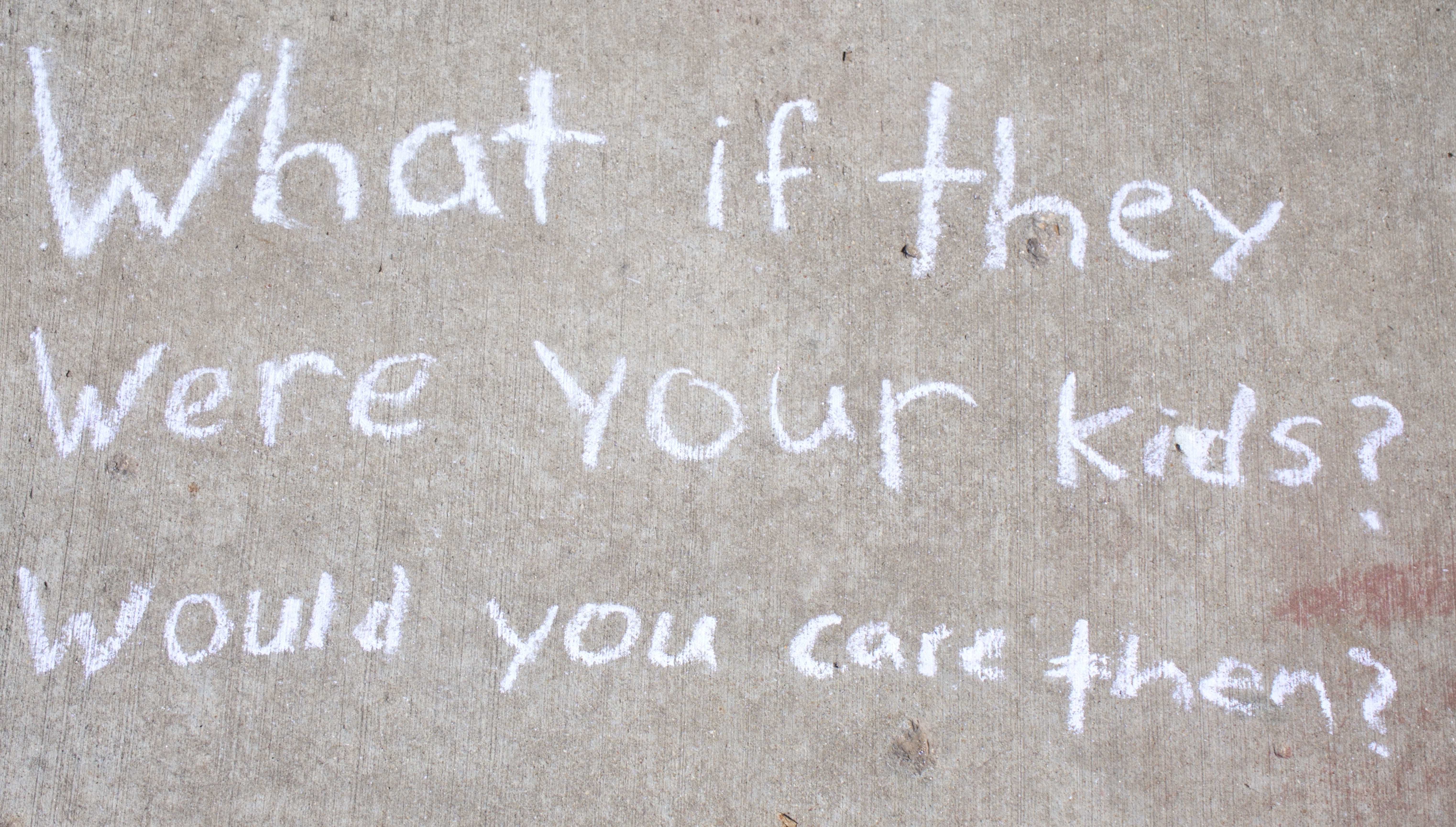
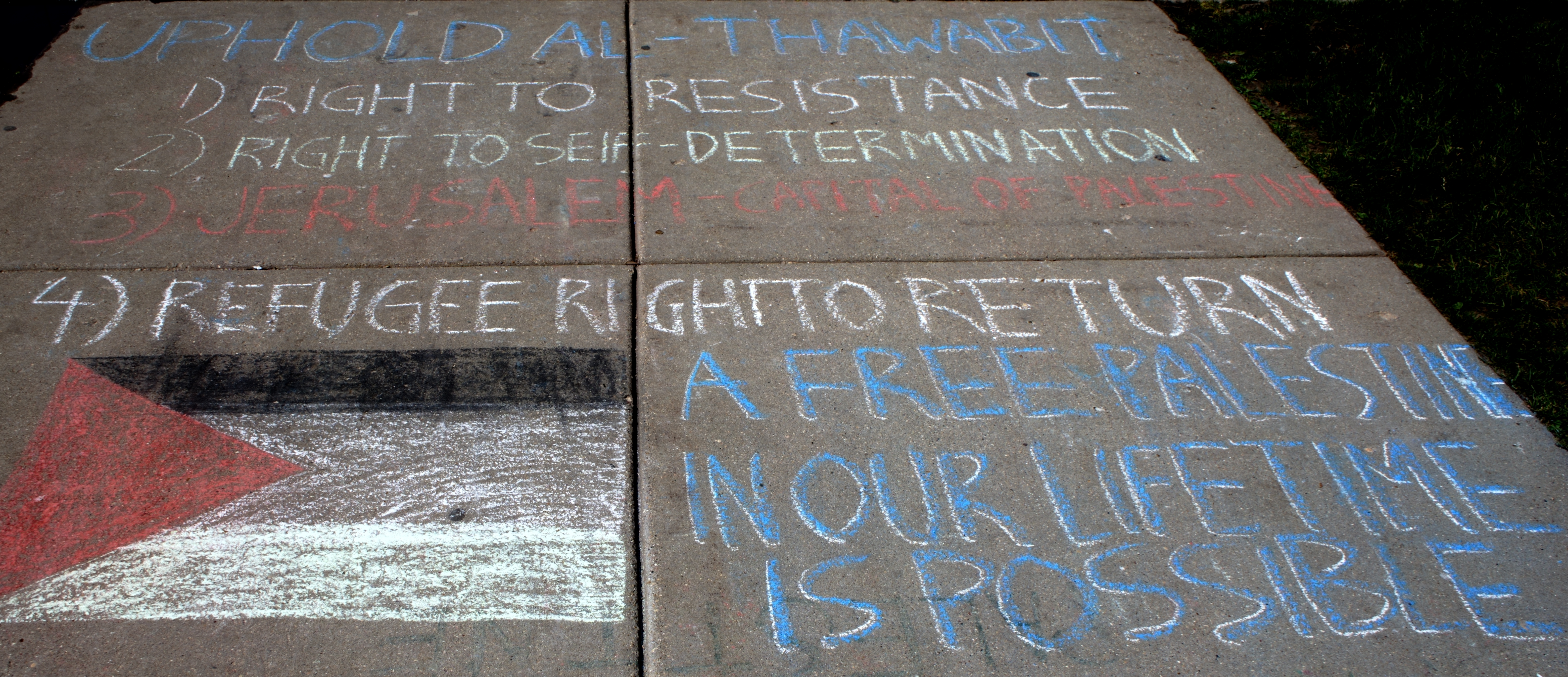
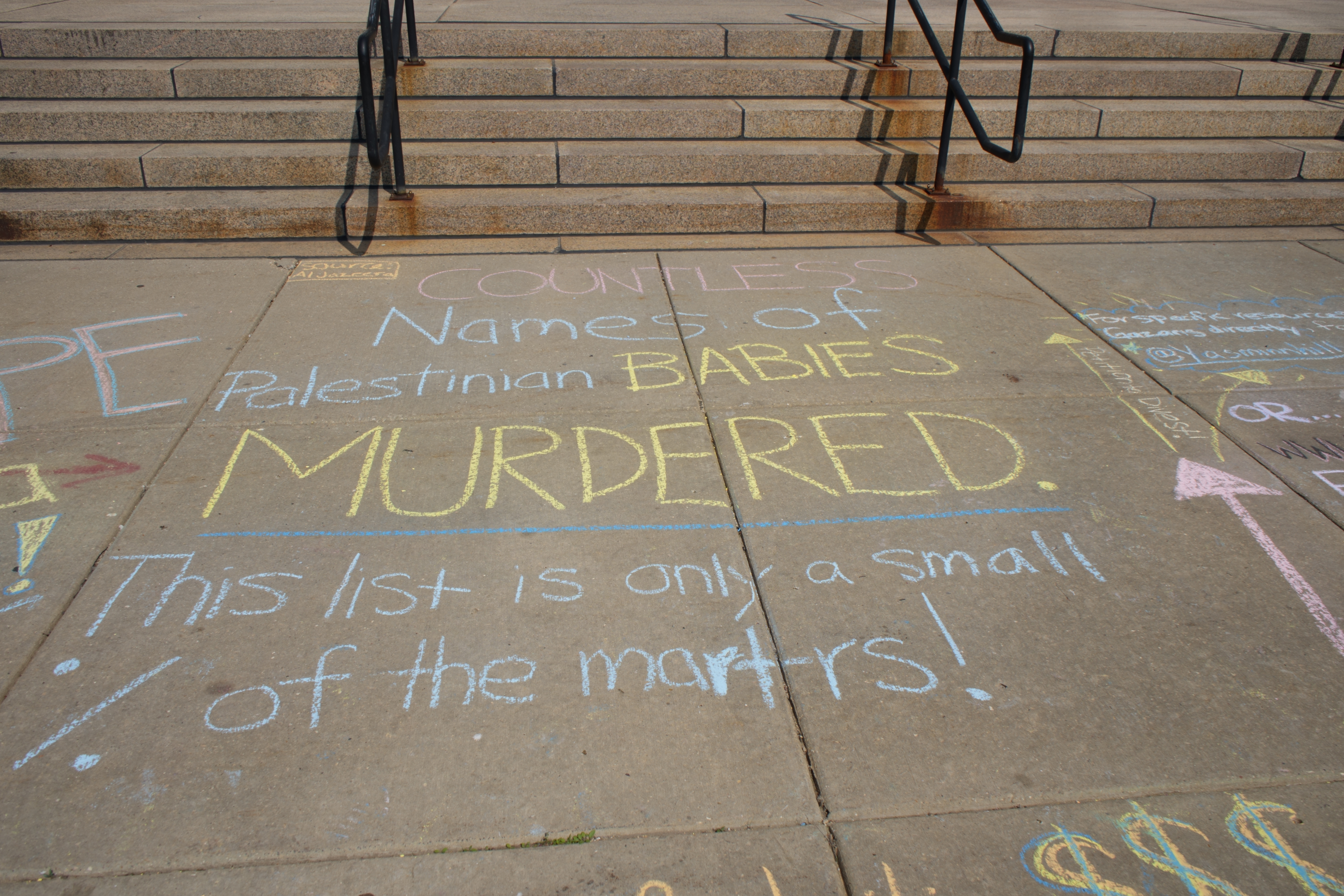
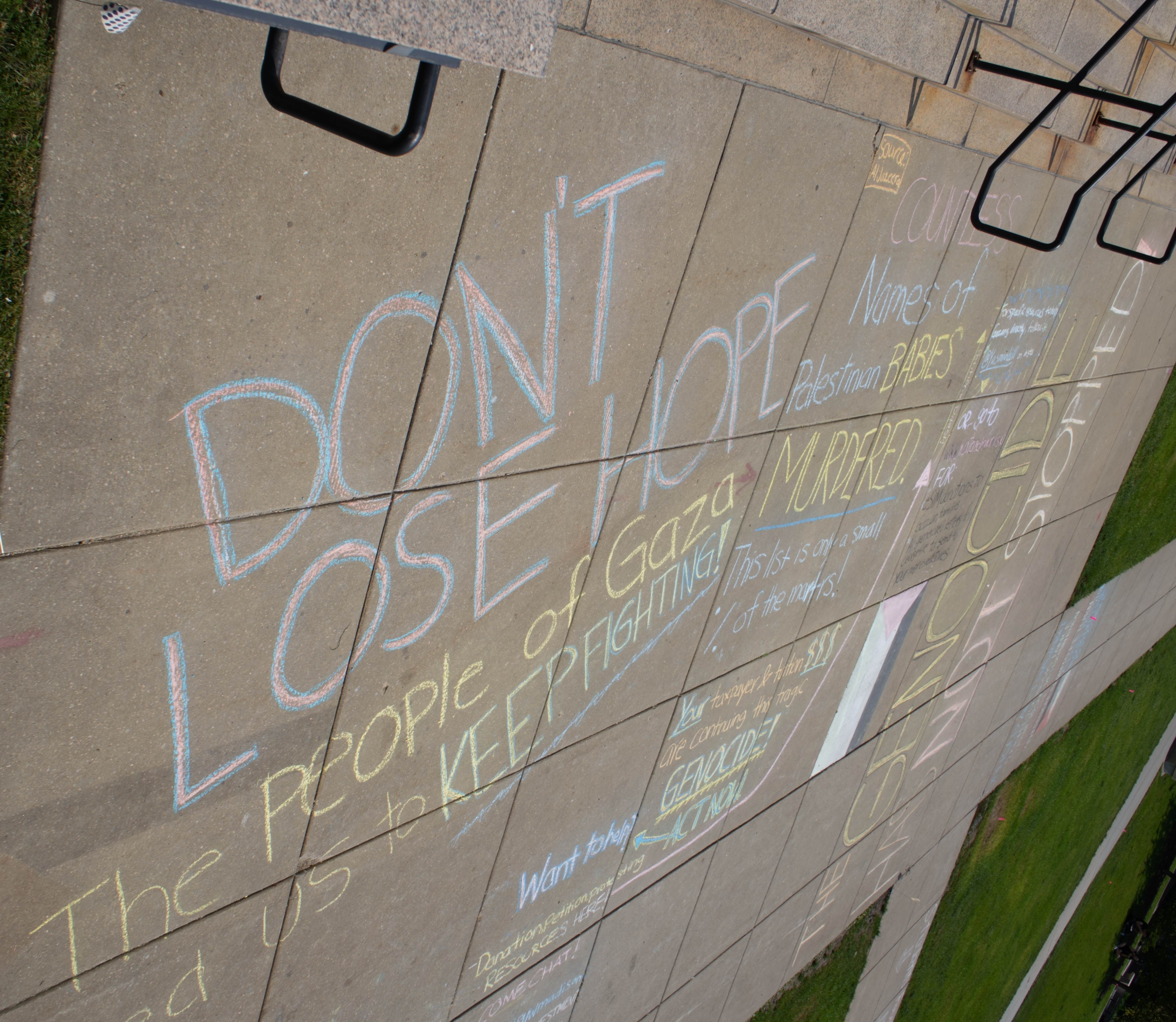
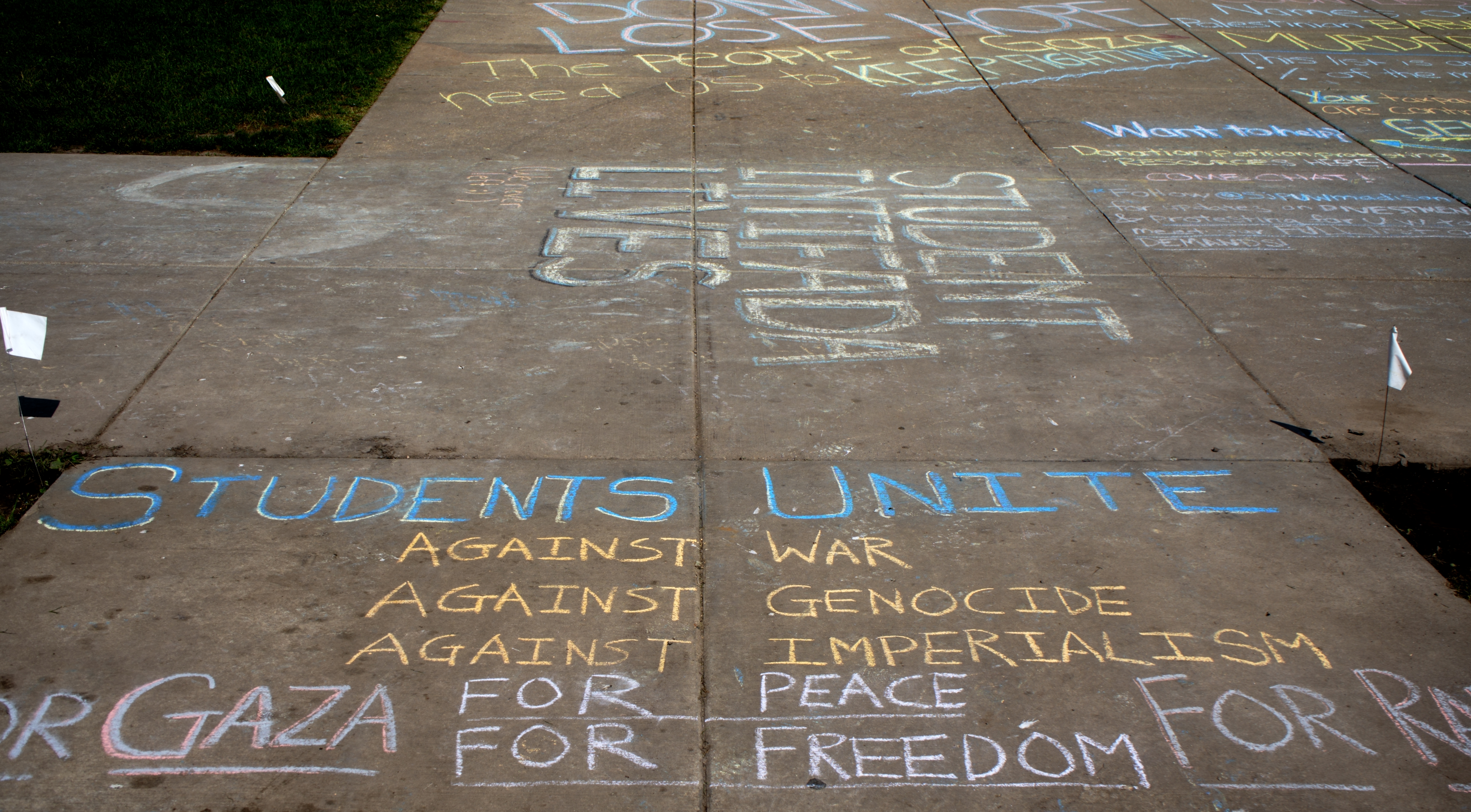
University of Wisconsin-Madison pro-Palestinian students used sidewalk chalking as part of their solidarity camp this past spring. I found them thought provoking. I imagine this will occur again as students return for classes.
One thing I like about sidewalk chalking is the lack of personal confrontation. The messages get through without someone confronting you about them.
There is the possibility of being arrested for sidewalk chalking. Most see it as an expression of freedom of speech, but you should be aware of the legalities where you are.
Not many years ago, many Quakers engaged with the Friends Committee on National Legislation’s (FCNL) work of lobbying the U.S. Congress. Many of us wrote many letters, and some visited the offices of their representatives, in Washington, DC, or their local offices. These days Congressional offices are flooded with many ‘form’ letters that are obviously from mass mailings. And the corruption from money from donors is often obvious.
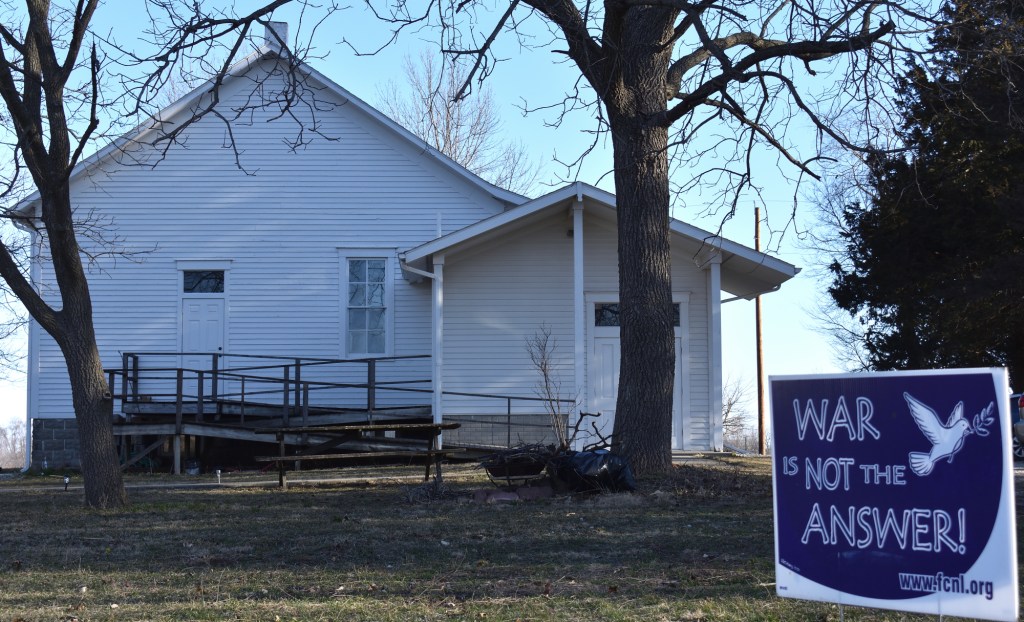
FCNL distributed thousands of War Is Not The Answer signs for many years.
I have the sense that there are fewer weekly/monthly public vigils for peace and justice today. In times past, I think those vigils had impacts. If none other than for our own witness for peace.
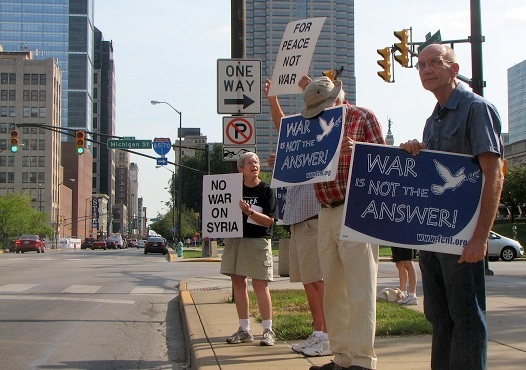
Today demonstrations often draw thousands of people.
I don’t think it is an exaggeration to say I’ve been radicalized more than once. These experiences changed my views about working for justice.
- I learned about racism and community organizing when I engaged with the Kheprw Institute in Indianapolis.
- The many times, and ways, we tried to bring attention to the dangers of fossil fuels, of extracting them and transporting them. One of the things that happened for me was training by the Rainforest Action Network to plan and execute acts of nonviolent resistance.
- I’ve been blessed to be engaged with my Indigenous friends.
- And by witnessing the effectiveness of my Des Moines Mutual Aid community that actually gives food the neighbors in need and helps with those who are houseless in Des Moines. The focus is always on being present in oppressed communities. And being aware of how we ourselves are oppressed.
From 2011 to the present, at least four major protest movements – Occupy Wall Street, Black Lives Matter, Deferred Action for Childhood Arrivals (“DACA”), and #MeToo – have emerged in the United States. To express their beliefs, political activists have used non-traditional artistic materials, “new media” — sidewalk chalk, light projections, and washable paint to creatively circumvent local graffiti and vandalism statutes. Unlike the application of graffiti and street art, the use of non-traditional media is not intended to be permanent or damaging to property. Despite protesters’ attempts to evade graffiti and vandalism statutes, law enforcement has still charged protesters with graffiti, illegal advertising, and defacing public or private property, among other charges.
Should new media used in protest be protected as a form of free speech under the First Amendment? The First Amendment provides the same protection to artistic expression as it does to conduct that communicates cultural, political, religious, or other messages. New media used in protest are a type of artistic expression which communicates cultural, political, or religious ideas. The use of new media tends to be site-specific, for it depends upon public space for maximum impact of its message.
Leaving a Mark: Artistic Expression, New Media in Protest and Law by Abby Placik and the Center for Art Law Team, Center for art law, June 18, 2018
City of Minneapolis and Minneapolis Police agree to not charge people in the future with trespassing for engaging in legal First Amendment activities
St. Paul, Minn – The American Civil Liberties Union of Minnesota and its client, Melissa Hill, reached a settlement agreement with the City of Minneapolis and other parties in a case surrounding the right to chalk on public sidewalks. In 2011 Hill was detained and issued a trespass order after she wrote on a public sidewalk outside of the Federal Building, with erasable sidewalk chalk, in Minneapolis.
Terms of the settlement include written agreements that all of the parties involved which includes the City of Minneapolis, the Minneapolis Police Department, Federal Protective Services, and DECO Security Services agree that writing on public sidewalk with erasable chalk is not a crime and that they should not treat it as such. The defendants also agreed to pay a portion of the legal fees as part of the settlement agreement.







 unflinching