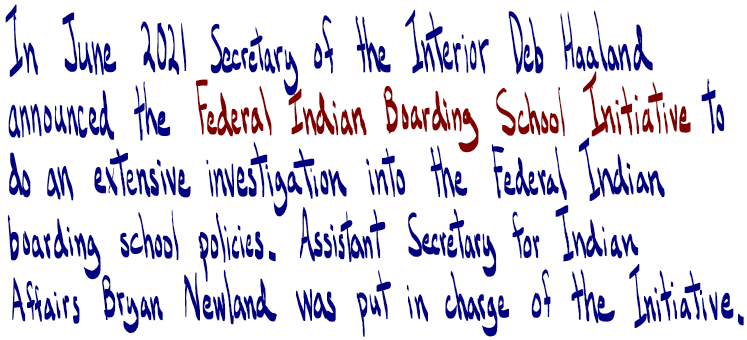

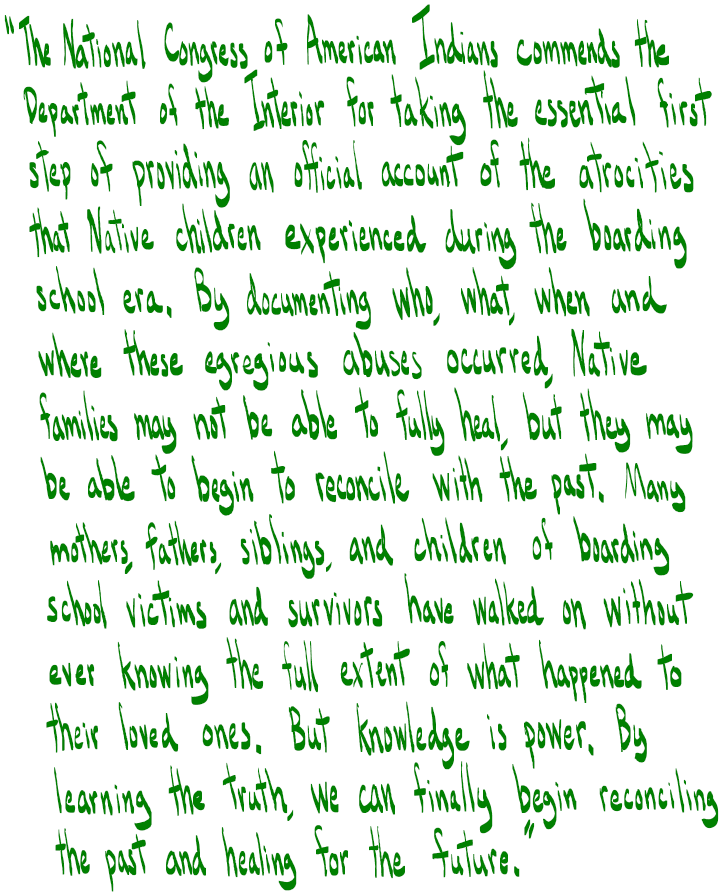
Release of Volume 2

The second volume builds on the initial volume to significantly expand on the number and details of institutions to include student deaths, the number of burial sites, participation of religious institutions and organizations, and federal dollars spent to operate these locations. It also included policy recommendations for consideration by Congress and the Executive Branch to continue to chart a path to healing and redress for Indigenous communities and the nation.
For more information regarding the Federal Indian Boarding School Initiative, go to the Department’s priority page.
Following are links to all of the documents related to Volumes 1 and 2 of the Federal Indian Boarding School Initiative.
Volume I
May 11 Secretarial Letter
Indian Affairs Investigative Report
Official List and School Summary Profiles
School Maps
Tribal Consultations
Tribal Consultation Summary
Volume II
Volume II Report
List of Federal Indian Boarding Schools
List of School Profiles
List of Federal Indian Boarding Schools by State
Updated list of School Maps
Federal Indian Boarding Schools Capacity, Enrollment, and Attendance
List of Other Institutions
Tribes of Federal Indian Boarding Schools
Deceased Students of Federal Indian Boarding Schools by Year
Deceased Students of Federal Indian Boarding Schools by Tribe
List of Indian Treaties
List of Federal Indian Policies Related to Federal Indian Boarding Schools
Religions of Federal Indian Boarding Schools
Federal Appropriations 1871-1969
Department List of Information Resources
Federal Indian Boarding School Initiative
I believe knowing about the Indian boardings schools, some with Quaker involvement, is part of why I’ve been led to ways to support Indigenous peoples and their work today.
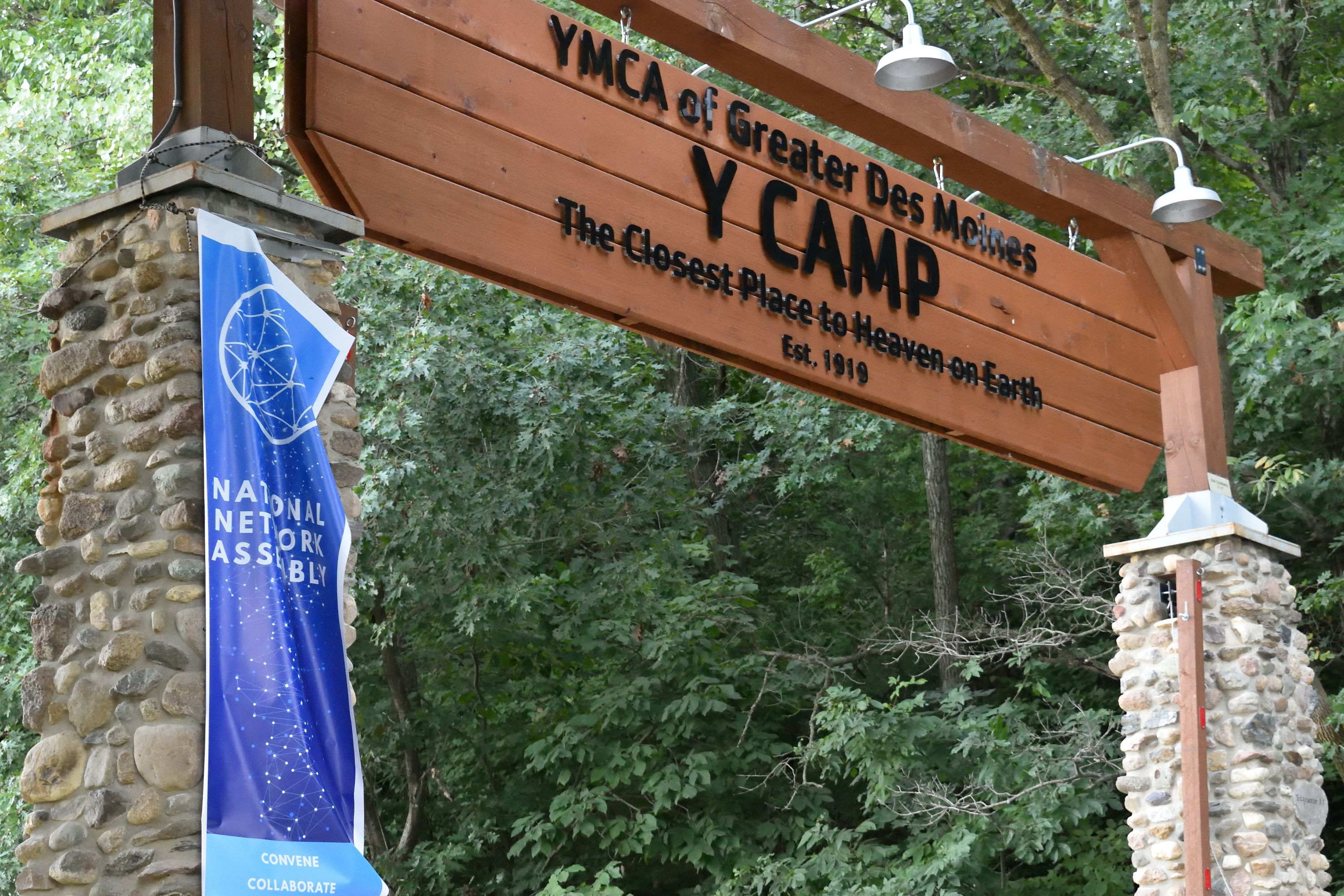
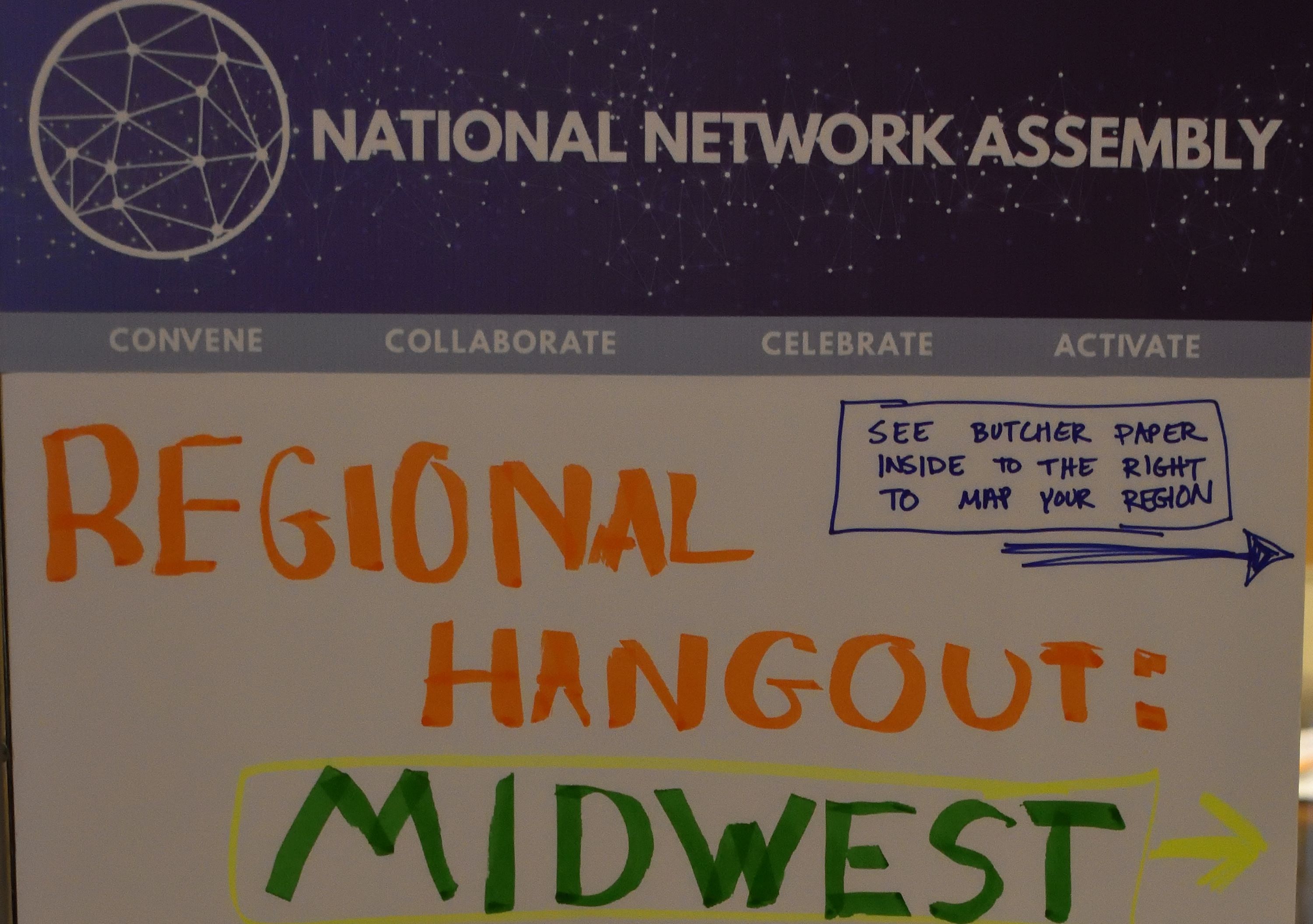
The summer of 2019 my friend Sikowis Nobiss suggested I attend the National Network Assembly at the Des Moines YMCA Camp near Boone, Iowa, that she helped organize. I was aware that if I wanted to build upon relationships with native peoples, I should respond when invited to do something like this. I don’t usually attend conferences, but seeing this as one of those opportunities, I did attend. And I got a lot out of it.
This was a conference for justice organizers. I was glad to connect with other friends, most of whom I had met when we walked together during the First Nation-Farmer Climate Unity March the previous autumn. We walked from Des Moines to Fort Dodge, Iowa, along the path of the Dakota Access Pipleline (DAPL), the black snake.
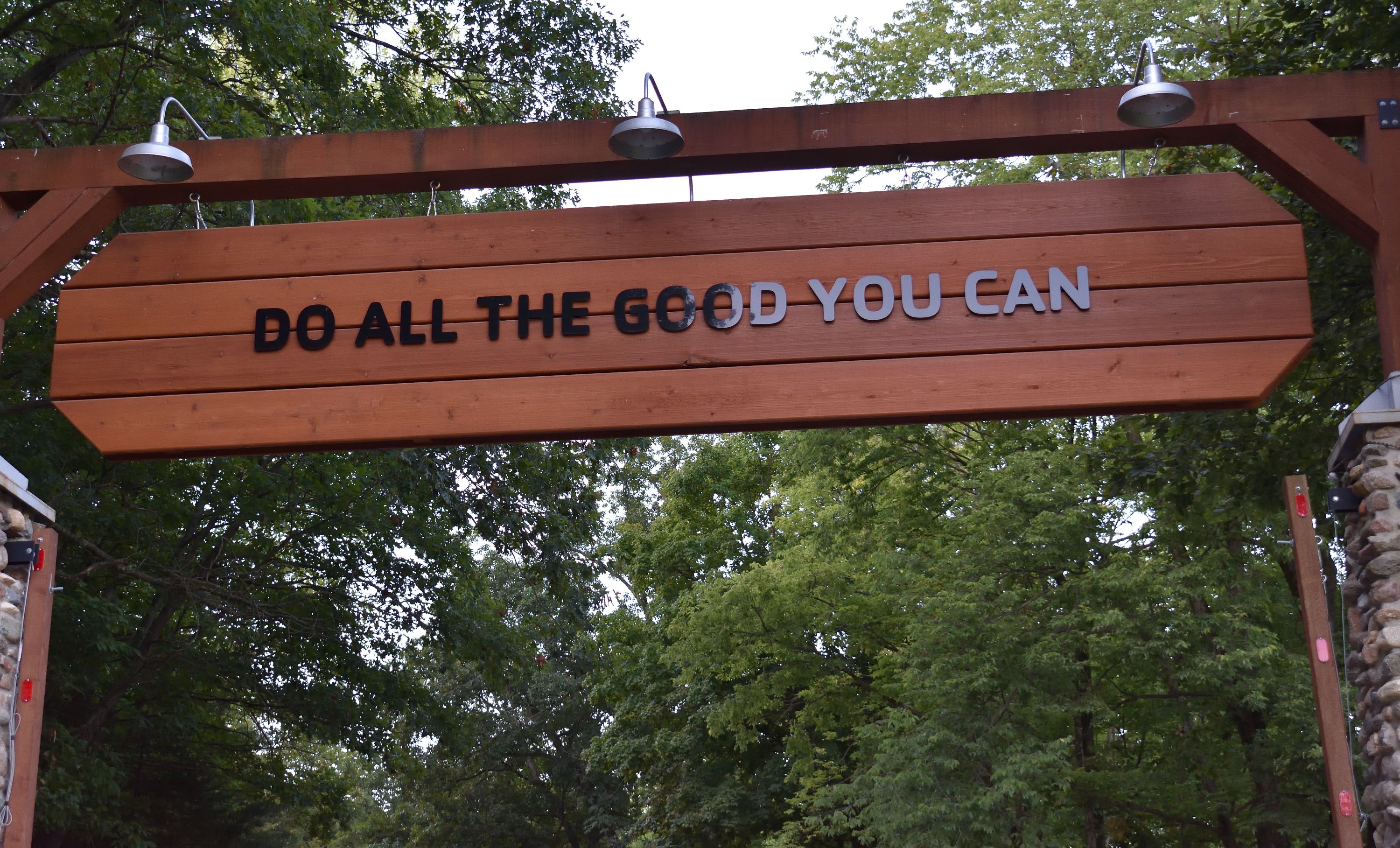
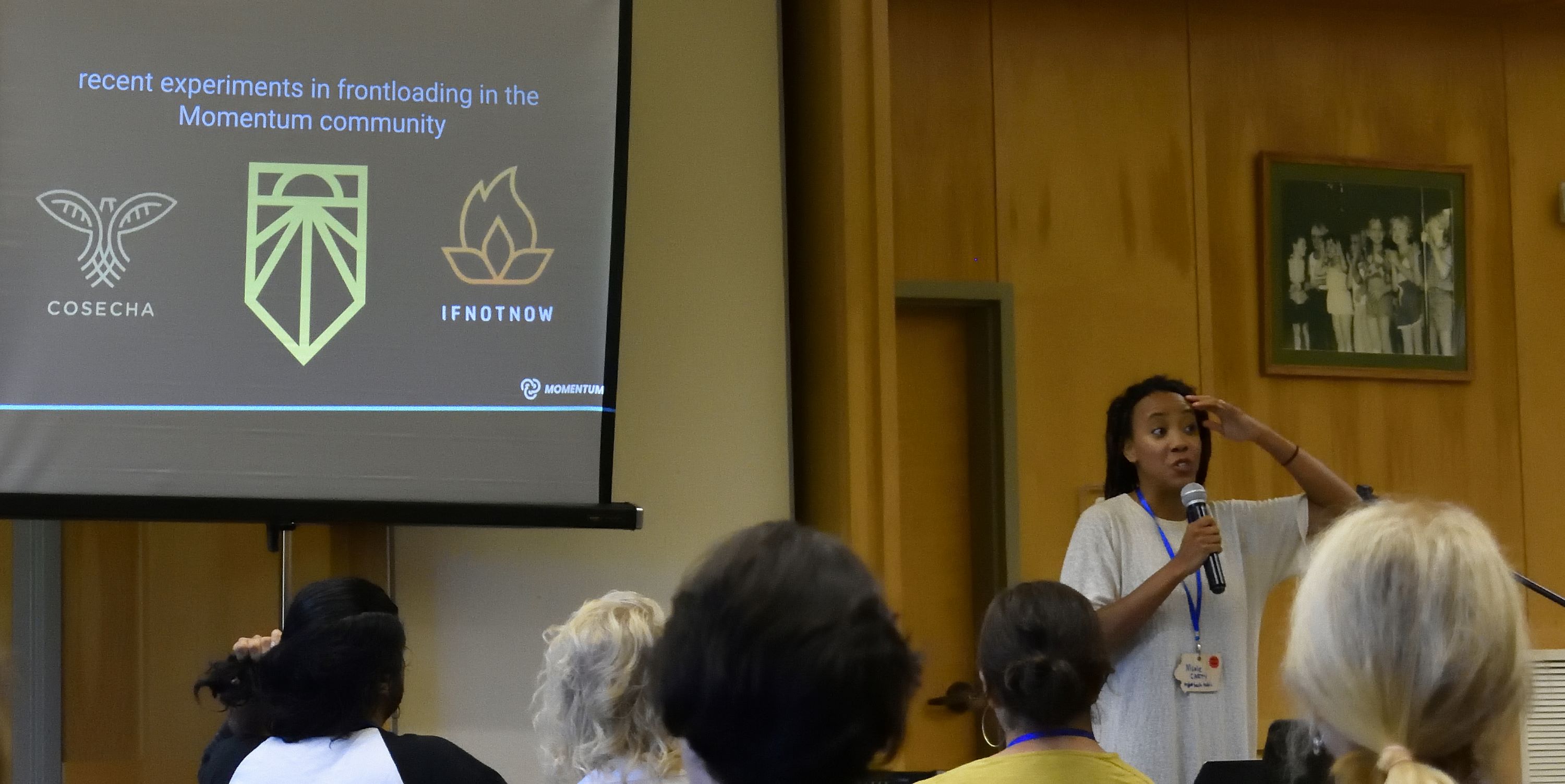
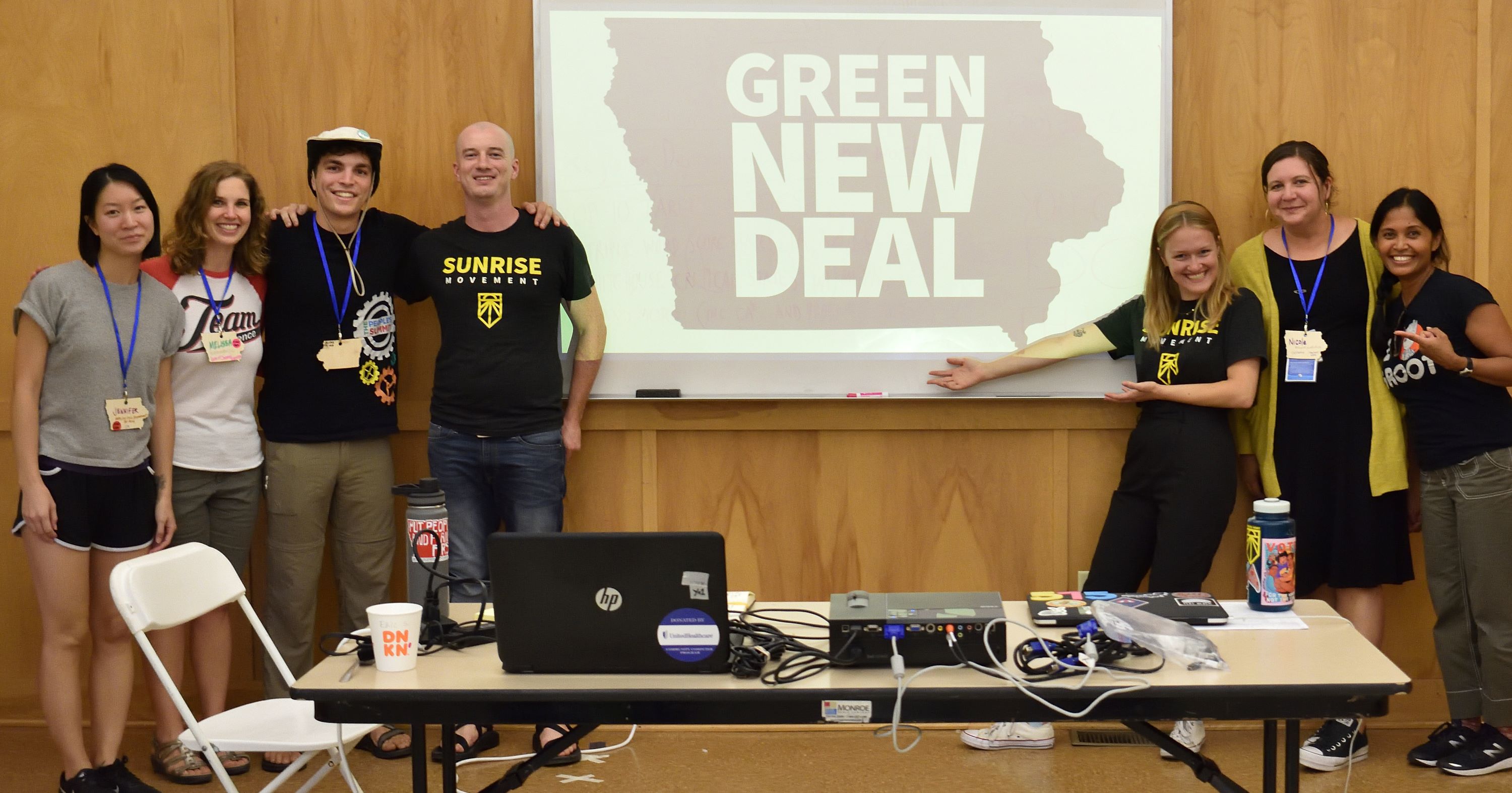
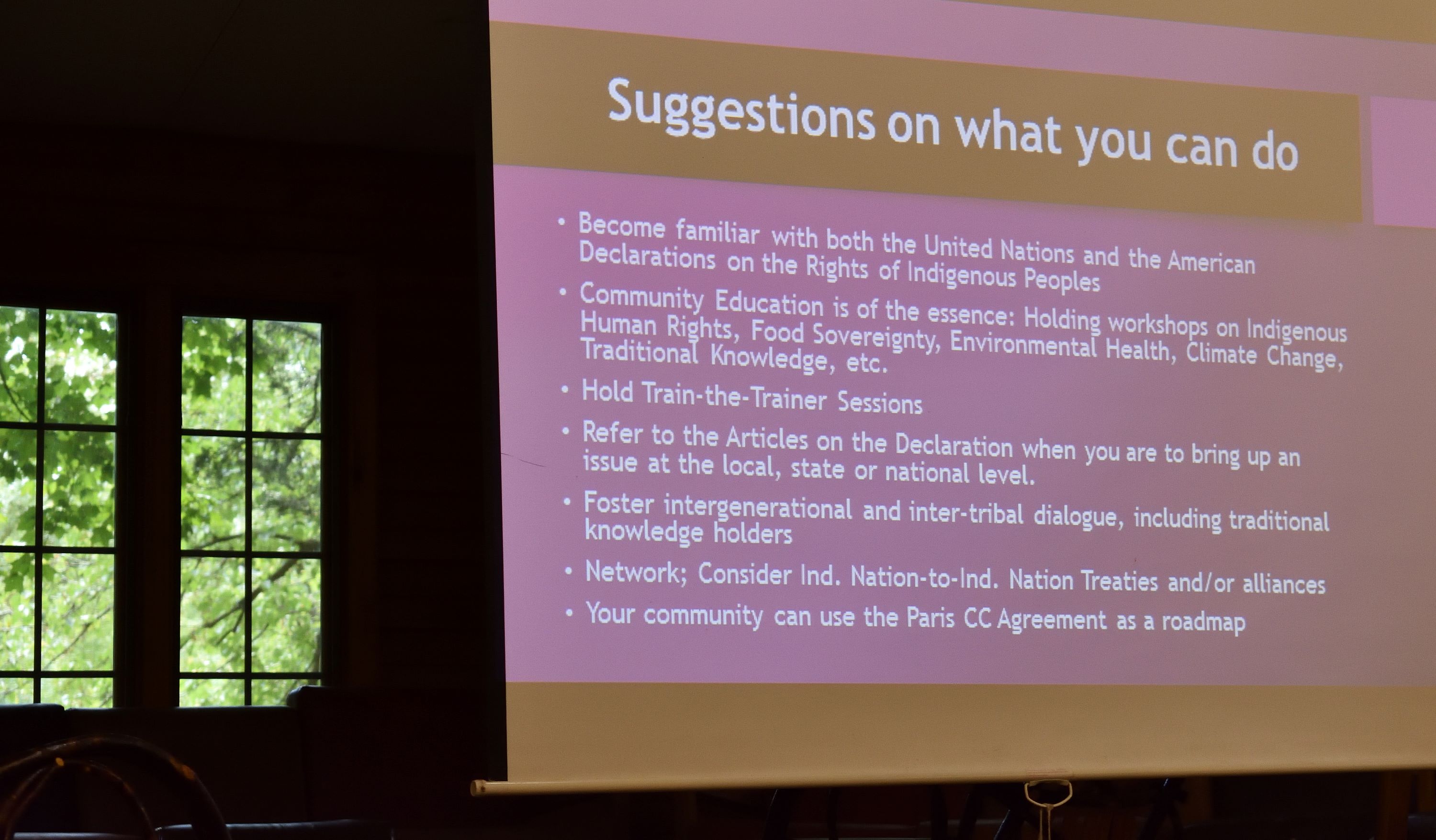
These photos are from that National Network Assembly.





 unflinching